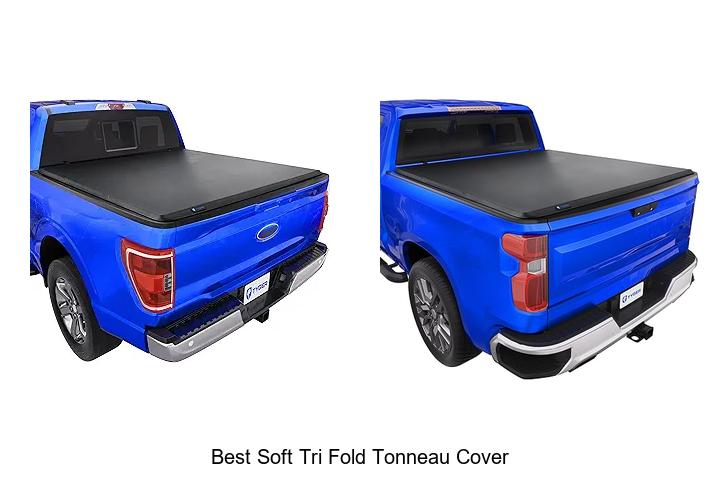
How Hot Does It Get Under a Tonneau Cover
You’ll find temperatures under a tonneau cover can rise 20 to 30 degrees Fahrenheit above the outside air, sometimes reaching over 105°F on an 85°F day. Heat buildup depends on factors like cover type, color, and ventilation—with hard covers trapping more heat than soft ones. Sunlight intensity and truck bed size also play a role. Managing this heat is key to protecting your cargo and cover. Keep exploring to discover how to keep things cooler and prolong your tonneau cover’s life.
How Hot Does It Get Under a Tonneau Cover?
Wondering how hot it gets under a tonneau cover? The temperature beneath one can rise considerably, especially on sunny days.
When sunlight hits your truck bed, the cover traps heat, creating a mini greenhouse effect. Temperatures can easily climb 20 to 30 degrees Fahrenheit above the outside air. For example, if it’s 85°F outside, the area under the cover might reach 105°F or more.
This heat buildup varies depending on the cover type—soft covers might allow more airflow, while hard covers tend to trap more heat.
It’s important to realize that your cargo could get quite warm, so you’ll want to take this into account when hauling sensitive items. Understanding these heat levels helps you make better decisions about protecting what’s in your truck bed.
What Factors Affect Heat Buildup in Your Truck Bed?
The temperature under your tonneau cover doesn’t just rise randomly—it depends on several key factors.
First, the material of your tonneau cover plays a big role; vinyl, fiberglass, or aluminum each absorb and retain heat differently.
Second, ventilation matters—if air can circulate, heat buildup slows.
Third, the color of the cover affects heat absorption; darker colors soak up more heat than lighter ones.
Fourth, the size and shape of your truck bed influence how heat distributes underneath.
Finally, how tightly the cover fits impacts heat retention—gaps or loose areas let hot air escape.
How Sunlight Intensity Increases Heat Under Tonneau Covers
Intense sunlight can quickly raise temperatures under your tonneau cover, sometimes by dozens of degrees.
When the sun’s rays hit your truck bed, they transfer energy that converts to heat, trapping warmth beneath the cover. The more direct and intense the sunlight, the faster the temperature climbs.
On bright, cloudless days, UV rays are strongest, causing a rapid rise in heat. If you park in full sun for hours, expect the air under the cover to become noticeably hotter than the outside environment.
Even brief exposure to strong sunlight can make a difference. So, understanding how sunlight intensity affects heat buildup helps you anticipate just how hot your truck bed can get during peak daylight hours.
How Cover Materials Affect Heat Buildup
Although sunlight plays a major role in heating your truck bed, the material of your tonneau cover considerably influences how much heat gets trapped underneath.
Darker materials, like black vinyl or rubber, absorb more sunlight and convert it to heat, raising the temperature beneath your cover. On the other hand, lighter-colored or reflective materials reflect more sunlight, helping keep the truck bed cooler.
Breathable fabrics allow some airflow, reducing heat buildup, whereas non-porous materials trap hot air, increasing temperatures.
Additionally, thickness and insulation properties affect heat retention—thicker covers with insulating layers can slow heat transfer, but may also trap heat if ventilation is limited.
When choosing a tonneau cover, consider these material characteristics to manage heat effectively under your truck bed.
Hard vs Soft Tonneau Covers: Which Gets Hotter?
How much heat builds up under your tonneau cover often depends on whether you choose a hard or soft cover.
Hard covers, usually made from fiberglass or aluminum, tend to absorb and retain more heat due to their solid construction and limited ventilation. This can cause the temperature under the cover to rise quickly on hot days.
On the other hand, soft covers, made from vinyl or fabric, allow for better airflow and often reflect more sunlight, which helps keep temperatures lower beneath them.
If you’re concerned about heat buildup, a soft cover might be the better choice. However, hard covers offer superior protection and durability, so weigh your priorities carefully.
Ultimately, your cover’s material plays a key role in how hot it gets under there.
How Truck Bed Color Influences Heat Under Covers
Beyond the material of your tonneau cover, the color of your truck bed also affects heat buildup underneath. Darker colors absorb more sunlight, causing your truck bed to heat up faster and retain more warmth.
If your truck bed is black or deep blue, expect higher temperatures under the cover compared to lighter colors like white or silver. This happens because lighter colors reflect more sunlight, reducing heat absorption.
When your truck bed gets hotter, the air trapped beneath the tonneau cover heats up as well, potentially affecting any cargo you carry.
Does Ventilation Help Reduce Heat Under Tonneau Covers?
Can ventilation really make a difference in reducing heat under tonneau covers? Yes, it can. When you add ventilation, you allow hot air to escape, preventing it from building up beneath the cover. Without proper airflow, heat gets trapped, causing temperatures to rise quickly. Ventilation options like small vents or gaps help circulate air, keeping the bed cooler. You might think that any opening could let dust or water in, but many covers are designed with smart venting systems that balance airflow and protection. So, if you want to keep your truck bed cooler on hot days, choosing a tonneau cover with built-in ventilation or adding aftermarket vents is a smart move. It’s a simple way to tackle heat buildup effectively.
How Ambient Temperature Changes Heat Trapped Under Covers
Although tonneau covers help shield your truck bed, the ambient temperature plays a major role in how hot it gets underneath. When the outside temperature rises, the heat trapped under the cover increases correspondingly.
You’ll notice that on a scorching summer day, the temperature beneath the cover can soar well above the ambient level, especially if direct sunlight hits the surface. Conversely, cooler days naturally limit heat buildup, keeping the space under the cover more temperate.
The key is that the air beneath the cover heats up as it absorbs warmth from both the ambient air and solar radiation. So, while the cover blocks direct exposure, it doesn’t prevent the influence of outside temperature on the environment beneath it.
How Heat Affects Your Cargo and Gear
When heat builds up under your tonneau cover, it can seriously impact the condition of your cargo and gear. High temperatures can warp plastics, melt adhesives, and degrade sensitive materials like electronics or leather.
If you’re transporting food or chemicals, heat can spoil or alter them, creating safety hazards. Even metal tools or equipment may suffer from expanded parts or weakened lubricants, leading to malfunctions.
You mightn’t notice damage immediately, but repeated exposure to heat accelerates wear and reduces the lifespan of your items. To protect your gear, consider what you store under the cover and how long it stays there.
Being mindful of heat’s effects helps you avoid costly repairs or replacements down the road and guarantees your cargo stays safe and functional.
How to Monitor Temperature Inside Your Truck Bed
Protecting your cargo from heat damage starts with knowing how hot it gets under your tonneau cover. To monitor the temperature inside your truck bed, you can use a digital thermometer or a wireless temperature sensor designed for outdoor use.
Place the sensor in a spot where your cargo usually sits, then check the readings regularly to track temperature changes throughout the day. Some smart sensors connect to your phone via an app, sending real-time alerts if temperatures rise beyond safe levels.
This way, you can take timely action to protect sensitive gear. Avoid relying on guesswork; accurate monitoring helps you understand heat exposure and plan accordingly, ensuring your cargo stays safe under varying weather conditions.
Ways to Keep Your Truck Bed Cooler With a Tonneau Cover
Keeping your truck bed cooler with a tonneau cover requires a few smart strategies.
First, choose a cover with reflective or lighter-colored surfaces; these reflect sunlight and reduce heat buildup. You can also add weatherstripping or seals to minimize gaps where hot air might enter.
Ventilation matters—consider covers that allow some airflow to prevent heat from becoming trapped. Using a bed liner with insulating properties helps, too, by blocking heat transfer from the truck bed to the cargo area.
When possible, park in shaded areas or use a portable canopy to limit direct sun exposure.
Finally, periodically remove the cover to air out your truck bed, especially after long, hot stretches.
These steps will help keep temperatures manageable under your tonneau cover.
Choosing the Right Tonneau Cover Based on Your Climate
How do you pick the best tonneau cover for your climate? Start by considering your typical weather conditions.
If you live in a hot, sunny area, choose a cover with reflective or light-colored materials to reduce heat absorption. Vinyl covers with UV protection work well here.
In humid or rainy climates, opt for a waterproof, sealed cover to keep moisture out and prevent mildew.
For colder regions, a hard folding or retractable cover offers durability against snow and ice buildup.
Ventilation matters too—some covers include vents to allow airflow, reducing trapped heat.
By matching your cover type to your environment, you’ll protect your truck bed better and keep temperatures manageable.
Don’t forget to check how the cover fits and seals to maximize its climate-specific benefits.
How Heat Buildup Impacts Tonneau Cover Durability
Several factors contribute to the wear and tear of your tonneau cover, but heat buildup is one of the most significant. When your cover traps heat, the material can weaken over time. High temperatures cause vinyl or fabric covers to dry out, crack, or fade faster than usual.
Even hard covers aren’t immune; excessive heat can warp plastic or make seals brittle. If you don’t manage the heat, you’ll likely face costly repairs or replacements sooner than expected.
To protect your investment, consider using covers with heat-resistant coatings or reflective surfaces. Regularly cleaning and conditioning your cover can also help maintain its flexibility and durability under intense heat.
Taking these steps guarantees your tonneau cover stays functional and looks good for years.
Frequently Asked Questions
Can Tonneau Covers Protect Against Rain and Snow?
Yes, tonneau covers can protect your truck bed against rain and snow. They create a barrier that keeps moisture out, preventing your cargo from getting wet or damaged.
However, the level of protection depends on the cover type—soft covers might let some water in during heavy rain, while hard covers offer better waterproofing.
Make sure to choose a high-quality, properly sealed cover to keep your belongings dry in bad weather.
Are Tonneau Covers Easy to Install and Remove?
You’ll find that most tonneau covers are pretty easy to install and remove, often taking less than 30 minutes.
In fact, 80% of users report they can do it without professional help. Many come with simple clamps or snap-on systems, so you won’t need special tools.
You can quickly secure or remove the cover depending on your needs, making it convenient whether you’re hauling gear or want an open bed.
Do Tonneau Covers Improve Truck Fuel Efficiency?
Yes, tonneau covers can improve your truck’s fuel efficiency.
By reducing aerodynamic drag, they help your truck cut through the air more smoothly, which means your engine doesn’t have to work as hard.
You’ll likely notice better gas mileage, especially at highway speeds.
While the improvement isn’t huge, every bit counts if you want to save on fuel costs and reduce your carbon footprint over time.
What Maintenance Is Required for Tonneau Covers?
Did you know regular cleaning can extend your tonneau cover’s life by up to 30%?
To keep yours in top shape, you’ll want to clean it with mild soap and water every few weeks.
Also, lubricate the moving parts like hinges quarterly to prevent rust and squeaks.
Check for tears or loose fittings regularly, and tighten any hardware as needed.
These simple steps guarantee your cover stays functional and looking great.
Can Tonneau Covers Prevent Theft From the Truck Bed?
Yes, tonneau covers can help prevent theft from your truck bed by keeping your belongings out of sight and adding a layer of protection.
While they don’t make your truck completely theft-proof, a sturdy, lockable cover makes it harder for thieves to access your stuff quickly.
You’ll want to choose a high-quality cover with secure locks and consider additional security measures like alarms or bed locks for extra peace of mind.
Conclusion
Understanding how hot it gets under your tonneau cover helps you protect both your truck bed and cargo. Did you know temperatures can soar up to 140°F (60°C) on a sunny day? That’s why choosing the right cover material and monitoring heat are essential. By considering your climate and using cooling strategies, you’ll keep your truck bed safer and extend your tonneau cover’s life. Stay proactive, and your gear will thank you.