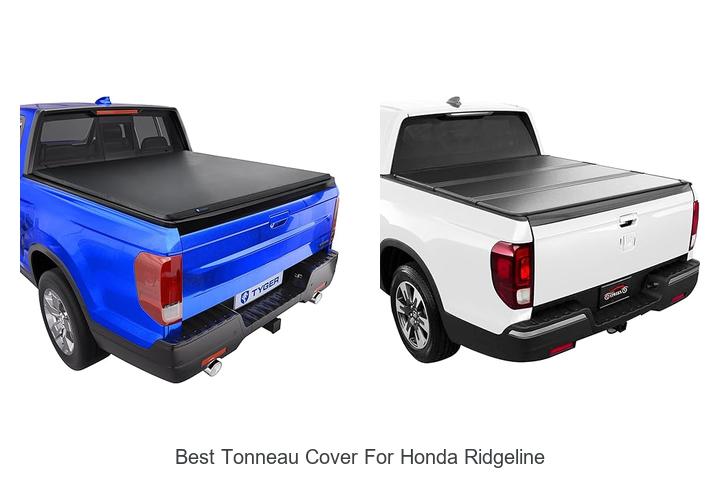
How to Safely Take Your Soft Tonneau Cover Through a Carwash
You can safely take your soft tonneau cover through a carwash by securing all snaps, Velcro, and fasteners to avoid loose areas. Opt for a touchless wash or one with soft, non-abrasive cloth strips to prevent damage to fabric and seams. Avoid high-pressure jets and spinning brushes that can tear or wear the cover. Rinse and dry it thoroughly afterward to prevent mildew. If you want more tips on care and damage prevention, keep exploring how to protect your cover’s lifespan.
Can You Wash a Soft Tonneau Cover in an Automatic Carwash?
Wondering if you can safely wash your soft tonneau cover in an automatic carwash? The short answer is yes, but with some important considerations.
Most soft tonneau covers are designed to handle water and mild cleaning, so an automatic carwash can effectively remove dirt and debris from the surface.
However, you need to verify the cover is properly secured and free of loose areas that could flap or snag during the wash cycle. Avoid high-pressure jets directly on the cover’s seams or fasteners, as they might cause damage over time.
Also, check your vehicle and cover manufacturer’s guidelines to confirm compatibility with automatic carwashes. Taking these steps helps protect your cover while keeping it clean through an automatic wash.
Why Soft Tonneau Covers Need Special Care in Carwashes
Because soft tonneau covers are made from flexible materials, they require special care during carwashes to prevent damage.
When you drive your truck through an automatic carwash, the spinning brushes and high-pressure jets can snag or tear the cover’s fabric. The cover’s seams and fasteners are also vulnerable; excessive force might cause them to loosen or break.
Additionally, harsh chemicals used in some carwashes can degrade the material over time, reducing its lifespan. If you don’t handle your soft tonneau cover carefully, you risk costly repairs or replacements.
What to Inspect on Your Soft Tonneau Cover Before Washing
Before you head into a carwash, take a few minutes to inspect your soft tonneau cover closely.
Check for any tears, loose stitching, or worn spots that could worsen under high-pressure water or brushes. Make certain all fasteners, snaps, and Velcro strips are securely attached to prevent flapping or damage.
Look for dirt or debris trapped along seams or corners, as these can scratch the cover during washing. Inspect the frame and rails for any bends or weaknesses that might affect how the cover sits.
Finally, verify the cover is taut and properly stretched to avoid water pooling or movement during the wash. A thorough inspection helps protect your cover and keeps it looking great after the carwash.
Handling Removable Parts on Your Soft Tonneau Cover
Handling removable parts on your soft tonneau cover requires careful attention to avoid damage during a carwash.
First, identify any snaps, clamps, or Velcro attachments that can come off easily. Removing these parts before the wash prevents them from snagging or breaking under the carwash brushes or high-pressure water jets. Keep all fasteners and small components in a safe place to avoid losing them.
If your cover has side rails or bows that are detachable, consider taking them off according to the manufacturer’s instructions. However, avoid forcing any parts that seem firmly secured.
After the carwash, reinstall the removable parts carefully, ensuring all clips and snaps are properly aligned and fastened. This approach helps maintain the integrity and lifespan of your soft tonneau cover.
Getting Your Soft Tonneau Cover Ready for a Touchless Carwash
Once you’ve removed any detachable parts from your soft tonneau cover, you can focus on preparing the cover itself for a touchless carwash.
First, give the cover a thorough rinse to clear off loose dirt and debris that could scratch the surface during washing.
Next, check the tension of the cover; tighten any loose straps or snaps to guarantee the cover remains secure and taut throughout the wash cycle.
Avoid using harsh chemicals or abrasive cleaners that might damage the material.
If your cover has any creases or folds, smooth them out to prevent water from pooling, which can cause streaks or spots.
Finally, inspect the edges and seams for any wear or damage, as these areas can be vulnerable during high-pressure rinses.
Which Carwash Type Is Safest for Your Soft Tonneau Cover?
Since soft tonneau covers are made from delicate materials, choosing the right carwash is essential to avoid damage.
Touchless carwashes are generally the safest option because they rely on high-pressure water jets and detergents rather than brushes or rollers that can scratch or tear your cover.
Automatic carwashes with soft cloth strips might be tempting but can still cause wear over time, especially if your cover isn’t perfectly secured.
Hand washes, where you control the tools and pressure, offer the most gentle approach, letting you avoid harsh brushes altogether.
Avoid carwashes that use abrasive materials or spinning brushes.
Ultimately, you want a method that cleans effectively without risking snags, tears, or fading.
Picking a touchless or hand wash will give your soft tonneau cover the best protection during cleaning.
How to Avoid Damage From Carwash Brushes and Rollers
Although carwash brushes and rollers can quickly clean your vehicle, they pose significant risks to your soft tonneau cover. The bristles and rollers can snag or scratch the fabric, causing tears or premature wear.
To avoid damage, make sure your cover is securely fastened and taut, minimizing loose areas that brushes might catch. If possible, choose carwashes that use soft, foam-based cleaning tools instead of harsh brushes.
Always inspect your cover before entering the wash for any weak spots or loose fasteners, and repair them promptly. If you’re uncertain about the equipment, consider hand-washing or alternative options.
Taking these precautions helps protect your soft tonneau cover from unnecessary harm while still keeping it clean.
Using a High-Pressure Rinse Safely on Your Soft Tonneau Cover
When you use a high-pressure rinse on your soft tonneau cover, you need to be careful not to damage the fabric or seams. Keep the nozzle at least 12 inches away and use a wide spray pattern to reduce force.
Avoid directing the spray at stitching or edges where water can infiltrate and cause wear. Use moderate pressure settings instead of maximum to protect the cover’s integrity. Aim the rinse to remove dirt gently rather than blasting it off aggressively.
If possible, test the pressure on a small, hidden area first to verify it doesn’t cause any fraying or loosening. Taking these precautions helps maintain your cover’s durability while effectively cleaning it during the carwash process.
Should You Remove Your Soft Tonneau Cover Before Washing the Truck?
Do you need to remove your soft tonneau cover before washing your truck?
Generally, you don’t have to take it off if you choose the right carwash and follow precautions. Most soft covers are designed to handle water and mild soap, so automatic washes with gentle cycles usually won’t damage them.
However, if the carwash uses harsh chemicals or very high-pressure jets, removing the cover is safer to prevent wear or damage. Also, if your cover isn’t secured tightly, water and soap can seep underneath, so double-check the fit before washing.
In short, leaving the cover on is fine with a soft touch wash, but removing it’s the best choice if you’re unsure about the carwash’s intensity or products used.
How to Hand Wash Your Soft Tonneau Cover Without Wear
If you decide to keep your soft tonneau cover on during a wash, hand washing offers the most control and gentlest care.
Start by rinsing the cover with water to remove loose dirt. Use a soft sponge or microfiber cloth to gently clean the surface, avoiding abrasive scrubbing that can cause wear. Work in small sections, rinsing frequently to prevent dirt buildup.
Pay special attention to seams and edges without applying excessive pressure. After washing, rinse thoroughly to remove all soap residue.
Let the cover air dry completely before closing it to prevent mold or mildew. This method helps maintain the fabric’s integrity and appearance, extending the life of your cover while keeping it clean and protected.
What Cleaning Products Are Safe for Soft Tonneau Covers?
Selecting the right cleaning products is essential to preserving your soft tonneau cover’s durability and appearance. Avoid harsh chemicals like bleach, ammonia, or strong detergents, as they can degrade the fabric and waterproof coatings.
Instead, choose mild, pH-balanced soaps or cleaners specifically designed for vinyl or fabric covers. You can also use a gentle car wash soap diluted with water to safely clean the surface without stripping protective treatments.
Avoid abrasive brushes or scrubbers; a soft sponge or microfiber cloth works best. After cleaning, rinse thoroughly with water to remove any soap residue.
Using appropriate products guarantees your cover stays flexible, water-resistant, and looking great, extending its life without risking damage from unsuitable cleaners.
How Often Should You Clean Your Soft Tonneau Cover?
Using the right cleaning products helps protect your soft tonneau cover, but knowing how often to clean it keeps it in top shape over time.
Ideally, you should clean your cover every few weeks, especially if you use your truck daily or park it outdoors. Dirt, dust, and debris accumulate quickly, which can degrade the material and affect its appearance.
If you notice bird droppings, tree sap, or stubborn grime, clean it immediately to prevent stains. During rainy or snowy seasons, increase the cleaning frequency to avoid buildup that can lead to mildew or damage.
Regular cleaning not only maintains your cover’s look but also extends its lifespan, ensuring it performs well whenever you need it.
How to Dry Your Soft Tonneau Cover After Washing to Prevent Mildew
Though washing your soft tonneau cover removes dirt and grime, drying it properly is essential to prevent mildew growth.
After the carwash, avoid leaving your cover wet for extended periods. Use a clean, absorbent microfiber towel to gently pat down the surface, soaking up excess water without rubbing harshly.
Make sure to open any folds or creases, allowing air to circulate and speed up drying. Whenever possible, park your truck in a sunny, well-ventilated area to let the cover dry naturally.
If the weather is humid or rainy, consider using a portable fan or a leaf blower on a low setting to help remove moisture.
Proper drying keeps your cover fresh and extends its lifespan by preventing mold and mildew buildup.
Inspecting Your Soft Tonneau Cover for Damage After Washing
After every wash, you should carefully inspect your soft tonneau cover for any signs of damage.
Start by checking the fabric for small tears, holes, or frayed edges that might’ve developed during the wash cycle. Don’t forget to examine the seams and stitching to guarantee they remain intact.
Next, inspect the frame and any mounting hardware for bends, cracks, or loose fittings. Pay close attention to the latches and fasteners to confirm they’re working properly and haven’t been loosened by the carwash brushes.
Finally, look for any water trapped under the cover, as this can lead to mold or mildew if left unchecked.
Catching these issues early lets you address them before they worsen, assuring your cover stays in great shape.
Quick Fixes for Small Tears or Scuffs From Carwashes
If you spot small tears or scuffs while inspecting your soft tonneau cover, don’t worry—many minor damages can be quickly repaired at home.
Start by cleaning the affected area with mild soap and water, then let it dry completely. For small tears, use a vinyl or fabric repair kit designed for tonneau covers. These kits often include adhesive patches or liquid vinyl that provide a durable seal.
Apply the patch carefully, smoothing out any bubbles to guarantee a firm bond. For scuffs, a vinyl conditioner or protectant can help restore the material’s appearance and flexibility. Avoid harsh chemicals that might worsen the damage.
Taking prompt action prevents small issues from expanding, keeping your cover functional and looking good after each carwash.
Tips to Keep Your Soft Tonneau Cover Looking New Over Time
To keep your soft tonneau cover looking new, you need to maintain it regularly and handle it with care.
Clean the cover with mild soap and water, avoiding harsh chemicals that can degrade the material. Always rinse thoroughly to remove soap residue.
Apply a UV protectant designed for vinyl or fabric covers to prevent fading and cracking from sun exposure.
When not in use, keep the cover rolled up loosely to avoid creases and store it in a dry, shaded area.
Check the cover’s stitching and fasteners periodically, tightening or repairing as needed to prevent further damage.
Frequently Asked Questions
Can Extreme Weather Affect My Soft Tonneau Cover’s Durability?
Yes, extreme weather can definitely affect your soft tonneau cover’s durability.
Prolonged exposure to intense sun can cause fading and weaken the fabric, while heavy rain or snow may lead to mold or mildew if water gets trapped.
Cold temperatures can make the material brittle, increasing the risk of cracks.
To protect your cover, regularly clean it, apply UV protectant, and consider removing or covering it during harsh weather conditions.
How Do I Properly Store a Soft Tonneau Cover During Winter?
You might think storing your soft tonneau cover is complicated, but it’s actually simple.
First, clean and dry it thoroughly to avoid mold or mildew.
Then, fold it carefully without creasing and store it in a cool, dry place—like a garage shelf or a breathable bag.
Avoid heavy objects on top, as they can deform the cover.
This way, your cover stays in great shape, ready for next season.
Are There Specific Brands Known for More Durable Soft Tonneau Covers?
Yes, you’ll find brands like BAK, Retrax, and TruXedo are known for durable soft tonneau covers.
They use high-quality materials and reinforced stitching to guarantee longevity.
When choosing, consider factors like weather resistance and ease of use.
Reading customer reviews helps too.
Picking a trusted brand means your cover will withstand wear and tear, keeping your truck bed protected for years.
Always match your choice to your specific needs.
Can Soft Tonneau Covers Improve My Truck’s Fuel Efficiency?
Yes, soft tonneau covers can improve your truck’s fuel efficiency by reducing aerodynamic drag.
When you cover the open bed, air flows more smoothly over your truck, which can decrease wind resistance and boost gas mileage, especially at highway speeds.
While the improvement mightn’t be huge, every bit helps.
Just make sure your cover fits well and is secured tightly, so it doesn’t flap or create extra drag.
What Warranty Options Are Typically Available for Soft Tonneau Covers?
You’ll typically find soft tonneau covers come with warranties ranging from one to five years.
Most manufacturers cover defects in materials and workmanship, so if your cover tears or hardware fails prematurely, you’re protected.
Some warranties even include UV damage or fading. Always check the fine print, as coverage varies.
If you want extra peace of mind, you can often purchase extended warranties or protection plans through the dealer or manufacturer.
Conclusion
Think of your soft tonneau cover as a delicate sail on your truck’s journey—it catches the wind and protects what’s beneath. Treat it with care before and after every carwash, like a captain tending to their sail, and it’ll keep you moving smoothly. A little attention now prevents bigger troubles later. By handling it gently, you guarantee your cover stays strong and ready for every road ahead, shining like new through every wash.