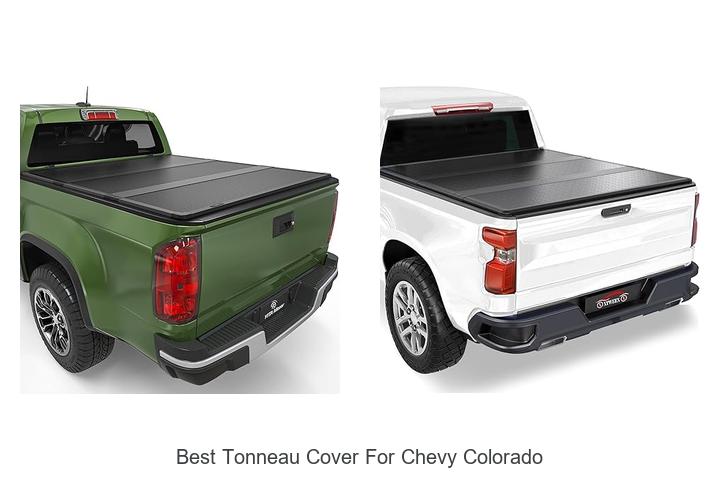
What Is a Cargo Area Tonneau Cover and How to Install It
A cargo area tonneau cover is a protective accessory you install over your truck bed to shield cargo from weather, theft, and damage. To install it, start by measuring your truck bed, clean the area, then align and secure the side rails with clamps or bolts. Depending on the type, you’ll attach panels or fabric and adjust tension to eliminate sagging. It’s a great way to keep your cargo safe and your truck looking sharp. There’s more to explore about its benefits and types.
What Is a Cargo Area Tonneau Cover and Why Use One
A cargo area tonneau cover is a protective accessory designed to cover the bed of your truck or SUV. You’ll find it useful for keeping your cargo secure and out of sight.
It’s especially handy when you’re hauling gear, groceries, or tools, preventing them from shifting or flying out during transit. Installing one also helps maintain a sleek, finished look for your vehicle while improving aerodynamics, which can boost fuel efficiency.
You’ll appreciate how easy it’s to roll, fold, or snap the cover open when you need full access to your truck bed.
Whether you want to protect your belongings from weather or simply want a cleaner, more organized cargo space, a tonneau cover is a smart addition you shouldn’t overlook.
How Cargo Area Tonneau Covers Protect Your Truck Bed and Cargo
Beyond just keeping your cargo out of sight, tonneau covers play a key role in protecting both your truck bed and the items you carry. They shield your truck bed from harsh weather elements like rain, snow, and UV rays, preventing rust, corrosion, and fading. This protection extends the life of your truck’s bed by keeping it dry and free from debris.
Additionally, tonneau covers help secure your cargo by keeping it covered and less accessible to thieves. They also prevent items from shifting or flying out while driving, enhancing safety. By maintaining a clean, protected bed, you preserve your truck’s value and functionality.
Installing a tonneau cover gives you peace of mind, knowing your gear stays safe and your truck stays in top shape.
Types of Cargo Area Tonneau Covers: Soft, Hard, and Hybrid
When choosing a tonneau cover, you’ll find three main types to contemplate: soft, hard, and hybrid.
Soft covers are usually made from vinyl or fabric, offering flexibility and easy roll-up access. They’re lightweight and budget-friendly, perfect if you want quick installation and removal.
Hard covers, made from materials like fiberglass or aluminum, provide superior security and durability. They often come in folding or retractable styles, giving your cargo robust protection against weather and theft.
Hybrid covers combine elements of both soft and hard types, typically featuring a rigid frame with a soft cover, balancing strength and convenience.
Understanding these options helps you pick a cover that matches your preferences for security, accessibility, and style without compromising your truck bed’s protection.
Soft vs Hard Cargo Area Tonneau Covers: Which One Suits You?
Wondering whether a soft or hard cargo area tonneau cover fits your needs best?
Soft covers offer flexibility, easy installation, and lightweight convenience. They’re perfect if you want something budget-friendly and simple to remove when you need full bed access. However, they provide less security and durability compared to hard covers.
Hard covers excel in protecting your cargo from weather and theft. They’re sturdier, often lockable, and can handle heavy loads on top. If you frequently haul valuable gear or want a sleek, long-lasting solution, a hard cover’s worth considering.
On the flip side, they usually cost more and can be heavier to manage.
Think about your priorities—ease and affordability or toughness and security—to choose the cover that suits your lifestyle best.
Roll-Up, Folding, and Retractable Covers Explained
Choosing the right cargo area tonneau cover means understanding how different styles operate.
Roll-up covers are simple and lightweight; you just pull them closed or roll them back toward the cab, giving quick access without removing the cover.
Folding covers, often made of hard panels, fold up in sections, providing partial or full bed access while staying attached.
Retractable covers slide open and closed along rails, offering smooth operation and secure locking, but they tend to be pricier.
Each style suits different needs—roll-up covers are great for easy use, folding covers balance protection and access, and retractable covers combine convenience with security.
Knowing these differences helps you pick a cover that fits your daily routine and cargo protection demands.
Measuring Your Truck Bed for the Right Cargo Area Tonneau Cover Fit
Understanding the different types of tonneau covers is just the first step; getting the perfect fit for your truck bed is what guarantees maximum protection and functionality.
Start by measuring the length of your truck bed from the inside of the tailgate to the inside of the bulkhead. Next, measure the width between the inside walls of the truck bed at the widest point.
Don’t forget to check the height of the bed rails as well, as some covers require specific clearance. Use a steel measuring tape for accuracy and write down each measurement carefully.
Double-check your numbers to avoid ordering the wrong size. Accurate measurements assure your tonneau cover seals properly, keeps cargo secure, and looks great on your truck.
Tools and Materials Needed for Installing a Cargo Area Tonneau Cover
Before you begin installing your cargo area tonneau cover, gather all the necessary tools and materials to guarantee a smooth process. You’ll typically need a tape measure to double-check dimensions, a screwdriver—usually Phillips or flathead depending on your cover’s hardware—and a wrench or socket set for tightening bolts.
Some covers include clamps, so having adjustable pliers can help. You might also want a rubber mallet to gently tap parts into place without damaging them. Additionally, keep the installation manual handy for specific instructions related to your model.
Having a clean cloth or rag nearby is useful to wipe down surfaces and remove dust. Preparing these tools and materials in advance will save time and prevent frustration during your installation.
Preparing Your Truck Bed Before Installation
Start by thoroughly cleaning your truck bed to confirm the tonneau cover fits securely and functions properly.
Remove any debris, dirt, or grease using a brush and soapy water, then rinse and dry completely.
Check for rust or damage, and address those issues before moving forward.
Inspect the bed rails and edges to ascertain they’re free from dents or bends that could interfere with installation.
If your truck bed has a liner, make sure it’s firmly attached and clean as well.
Clear away any accessories or loose items that might obstruct the process.
Taking these steps helps you avoid installation problems and guarantees the tonneau cover sits flush and locks correctly, giving you a neat, professional finish and maximum protection for your cargo.
Aligning the Cargo Area Tonneau Cover Frame Correctly
To align the cargo area tonneau cover frame correctly, you’ll need to position it carefully along the truck bed rails, ensuring an even gap on both sides.
Start by placing the frame at the front of the bed, near the cab, and slide it gently toward the tailgate. Check that both side rails sit flush against the bed rails without any tilting. Use a measuring tape if necessary to confirm equal spacing.
Make sure the frame is square by verifying the corners align properly with the truck bed edges. Avoid forcing the frame, as this can cause misalignment or damage.
Once you’re satisfied with the positioning, hold the frame steady and prepare for the next step of securing it firmly in place.
Attaching the Side Rails Securely
Once the tonneau cover frame sits properly along the bed rails, you’ll want to secure the side rails firmly.
Begin by checking that the rails align evenly with the truck bed edges. Use the provided clamps or bolts to fasten the rails tightly, ensuring they don’t shift during driving.
If your cover includes rubber gaskets or seals, position them correctly to prevent water ingress.
Tighten all hardware gradually, alternating sides to maintain even pressure and avoid warping.
Double-check that the rails remain flush and straight before fully tightening.
This secure attachment is essential for the cover’s stability and weatherproofing.
Taking these steps carefully will prepare you for the next phase—installing the cover panels or fabric—without any hassle.
Installing the Cover Panels or Fabric
Installing the cover panels or fabric brings your tonneau cover to life, transforming the secured frame into a protective shield for your cargo.
Begin by aligning the panels or fabric with the side rails, ensuring they fit snugly without gaps. If you have a hard cover, carefully place each panel onto the hinges or mounting points, then secure them with the provided screws or clips.
For soft covers, stretch the fabric evenly across the frame, attaching it to the rails using snaps, Velcro, or clamps as designed. Take your time to avoid wrinkles or loose spots, which can reduce protection.
Confirm that all fasteners are tight and the cover is centered. This step completes the main installation, preparing your cargo area for reliable coverage.
Adjusting Tension and Seals to Keep Out Weather
Although the panels or fabric are in place, you’ll need to adjust the tension and seals to make certain your tonneau cover keeps out rain, dust, and wind effectively.
Start by tightening the tension knobs or straps evenly across the cover to eliminate sagging and ensure a snug fit.
Next, inspect all seals and weatherstripping for proper alignment along the truck bed edges. If you notice gaps, reposition or compress the seals so they press firmly against the truck bed. This prevents water and debris from sneaking in.
Be careful not to overtighten, as it could damage the cover or seals.
Finally, check that all clamps or fasteners hold the cover securely without causing warping. Proper tension and seal adjustment will keep your cargo protected in any weather.
Testing Your Cargo Area Tonneau Cover’s Fit and Security
After adjusting the tension and seals, you’ll want to test your cargo area tonneau cover’s fit and security to verify it performs well under real conditions.
Begin by closing the cover firmly and checking for any visible gaps or misalignments along the edges. Next, press down gently on the cover to confirm it’s taut without sagging.
Give the cover a few light tugs to affirm it’s securely fastened and doesn’t shift or lift easily. If your cover has locking mechanisms, test them to make sure they engage smoothly and hold tight.
Finally, take a short drive and listen for any flapping or rattling sounds, which could indicate a loose fit. This quick test verifies your cover stays put and protects your cargo effectively.
Common Installation Mistakes That Affect Fit and Function
When you overlook key steps during installation, your cargo area tonneau cover may not fit or function as intended.
One common mistake is misaligning the cover’s rails or clamps, which can cause gaps or prevent secure locking.
Skipping the step to clean the truck bed edges before installation often leads to poor adhesion or scratching.
Over-tightening clamps can warp the frame, while under-tightening results in a loose cover that flaps during driving.
Forgetting to check for obstructions or accessories in the cargo area can interfere with the cover’s movement.
Also, not following the manufacturer’s instructions precisely might cause you to miss vital adjustments.
Paying attention to these details guarantees your tonneau cover fits snugly and operates smoothly.
How to Clean and Maintain Your Cargo Area Tonneau Cover
To keep your cargo area tonneau cover looking great and working properly, you need to clean and maintain it regularly.
Start by removing loose dirt and debris with a soft brush or cloth. Use mild soap mixed with water to gently wash the cover, avoiding harsh chemicals that can damage the material. Rinse thoroughly and dry it completely to prevent mold or mildew.
Check the cover’s seals and fasteners for wear or damage, tightening or replacing them as needed to guarantee a snug fit.
Applying a UV protectant designed for tonneau covers helps prevent fading and cracking caused by sun exposure.
When and Why to Upgrade or Replace Your Cargo Area Tonneau Cover
Although cargo area tonneau covers are designed to last, you’ll need to upgrade or replace yours if it shows signs of damage, no longer fits properly, or fails to protect your cargo effectively.
If you notice tears, cracks, or broken latches, your cover’s security and weather resistance are compromised.
Also, if your truck bed or cover has changed due to accessories or modifications, your old cover mightn’t fit snugly anymore.
Upgrading can enhance durability with newer materials or offer better features like improved locking mechanisms or easier installation.
Replacing an old or worn cover guarantees your cargo stays safe from theft and weather, maintaining your truck’s functionality and appearance.
Don’t wait until damage worsens—addressing issues promptly saves time and money.
How a Cargo Area Tonneau Cover Can Improve Your Truck’s Fuel Efficiency
Since air resistance plays a major role in your truck’s fuel consumption, installing a cargo area tonneau cover can help reduce drag and improve efficiency.
By covering the open bed, the tonneau cover smooths airflow over your truck, minimizing turbulence that usually slows you down and forces your engine to work harder. This aerodynamic improvement can lead to noticeable fuel savings, especially during highway driving.
You’ll also protect your cargo from wind, which means less shifting and less fuel wasted compensating for instability. Plus, a well-fitted cover seals the bed, preventing air from swirling inside and creating drag.
Frequently Asked Questions
Can a Tonneau Cover Be Locked for Added Security?
Yes, you can lock a tonneau cover for added security.
Many tonneau covers come with built-in locking mechanisms that secure the cover to your truck bed, preventing unauthorized access.
If yours doesn’t have a lock, you can purchase aftermarket locks or security kits designed specifically for tonneau covers.
Will a Tonneau Cover Fit Over a Bed Liner?
When it comes to fitting a tonneau cover over a bed liner, you’re in luck—it usually fits like a glove.
Most covers are designed to accommodate bed liners, but you’ll want to double-check the measurements and mounting style.
Keep in mind, some bed liners add extra height or thickness, which might require slight adjustments or specific hardware.
Still, with a little patience, you’ll have your cover snug and secure in no time.
How Does a Tonneau Cover Affect Truck Bed Lighting?
A tonneau cover can slightly dim your truck bed lighting since it blocks some light from reaching inside.
However, it won’t completely eliminate illumination; most LED or built-in lights still shine through gaps or translucent materials.
If you rely heavily on lighting for work or loading, consider a cover designed to accommodate lighting or use additional external lights.
That way, you won’t lose visibility when you need it most.
Are Tonneau Covers Compatible With Bed-Mounted Toolboxes?
Oh, absolutely! Because who doesn’t want their toolbox playing hide-and-seek with the tonneau cover?
But seriously, yes, tonneau covers can be compatible with bed-mounted toolboxes, as long as you pick the right style—like retractable or folding covers that clear the toolbox height.
Just make sure to measure carefully and choose a cover designed to work around your toolbox, so you’re not wrestling with it every time you need a wrench.
Can I Install a Tonneau Cover Myself Without Experience?
Yes, you can install a tonneau cover yourself even without experience.
Most covers come with clear instructions and all the necessary hardware, making the process straightforward.
Just take your time to read the manual carefully, gather basic tools, and follow each step methodically.
If you run into trouble, online videos can help.
With patience and attention, you’ll have your tonneau cover installed securely in no time.
Conclusion
A cargo area tonneau cover might seem like a simple accessory, but it’s more than just a lid—it’s protection, style, and efficiency rolled into one. While an uncovered truck bed leaves your cargo vulnerable, a well-chosen cover shields and secures it effortlessly. Installing and maintaining it properly transforms your truck from ordinary to optimized. Don’t let neglect cost you; investing in the right tonneau cover means saving time, money, and peace of mind every time you hit the road.