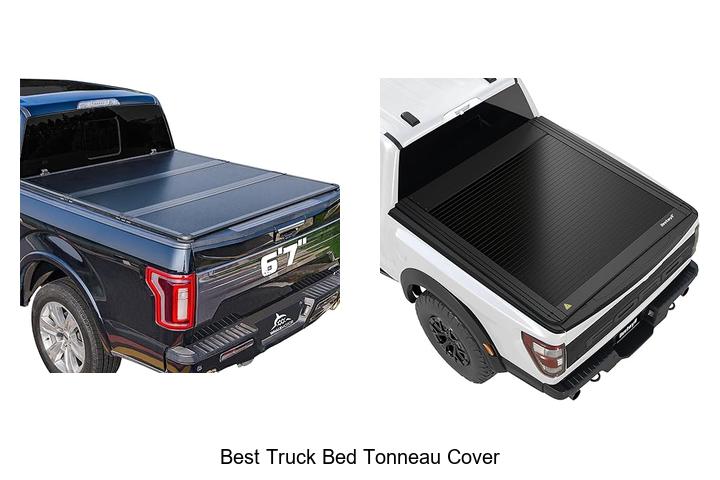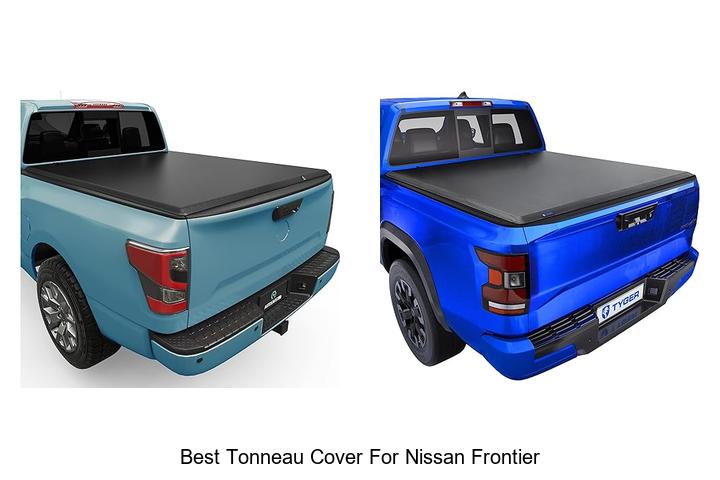
How to Adjust Tension on Truxedo Tonneau Cover in 3 Easy Steps
To adjust the tension on your Truxedo tonneau cover in three easy steps, first open the cover and loosen the side tension straps slightly. Next, pull each strap evenly to remove slack and smooth out wrinkles or sagging. Finally, secure the straps firmly by fastening their buckles, ensuring a snug fit without overtightening. Close the cover and test for any gaps or flapping. Keep going to fine-tune your cover’s seal and protect your cargo better.
How to Tell If Your Truxedo Cover Needs Adjustment
How do you know when your Truxedo tonneau cover needs adjustment? You’ll notice it if the cover feels loose or sags in the middle, creating gaps that let water or debris in.
If the cover flaps or rattles while driving, that’s another clear sign it’s not tight enough. Check for wrinkles or slack areas on the surface—these indicate uneven tension.
Also, if the cover doesn’t snap securely when you close it or if it’s difficult to roll up smoothly, it’s time to take a closer look.
Regularly inspecting your cover after use, especially after heavy rain or strong winds, helps you catch these issues early.
Keeping the tension right guarantees your cargo stays protected and your cover lasts longer.
Adjust the Tension on Your Truxedo Cover
Once you’ve identified that your Truxedo cover needs tightening, you can easily adjust the tension to guarantee a snug fit.
Start by opening the cover and locating the tension straps along the side rails. Loosen the straps slightly to relieve pressure.
Next, pull each strap evenly to remove slack, ensuring the cover lays flat without wrinkles. Don’t overtighten, as this might damage the cover or frame.
After adjusting, secure the straps by fastening their buckles firmly.
Finally, close the cover gently to check for even tension across the surface. Adjust again if necessary to maintain a tight, smooth appearance.
With these simple steps, you’ll restore your Truxedo cover’s fit and protect your truck bed effectively.
Test Your Truxedo Cover for a Tight, Secure Seal
After adjusting the tension straps, you’ll want to test your Truxedo cover to verify it creates a tight, secure seal.
Start by closing the cover fully and pressing down along the edges to ascertain it sits flush against the truck bed. Look for any gaps or loose spots where water or debris might enter.
Next, give the cover a gentle shake or push to check if it shifts or loosens. If you notice any slack, tighten the straps a bit more and retest.
Also, inspect the latches and clamps to confirm they engage firmly. Performing this test helps maintain your cargo’s protection and extends the cover’s lifespan.
Repeat this check periodically, especially after heavy use or extreme weather.
Frequently Asked Questions
What Tools Do I Need to Adjust the Truxedo Cover Tension?
You’ll need a Phillips head screwdriver to adjust the tension on your Truxedo cover.
Some models might also require a wrench or an Allen key, but usually, the screwdriver does the trick.
Make sure you have these tools handy before you start. They help you tighten or loosen the tension adjustment screws, so you can get the perfect fit without any hassle.
Keep them nearby for easy access while working.
Can I Adjust Tension in Extreme Weather Conditions?
Did you know extreme temperatures can cause materials to expand or contract up to 1%?
You can adjust tension in extreme weather, but it’s best to avoid doing it when it’s very hot or cold. The cover may stretch or shrink, affecting accuracy.
Wait for moderate conditions to guarantee a proper fit and avoid over-tightening, which can damage the cover or cause premature wear.
How Often Should I Check or Adjust the Cover Tension?
You should check and adjust your Truxedo cover tension every few weeks, especially during seasonal changes.
Temperature fluctuations can cause the material to expand or contract, affecting tension.
After heavy rain, snow, or strong winds, it’s smart to inspect the cover too.
Regular checks help maintain a snug fit, prevent damage, and keep your cargo protected.
Don’t wait until you notice sagging; staying proactive saves you time and hassle.
Will Adjusting Tension Affect My Truck’s Fuel Efficiency?
Think of your truck like a sailboat; when the sail’s tight, it cuts through the air smoothly, saving energy.
Yes, adjusting your Truxedo tonneau cover’s tension can improve your fuel efficiency by reducing drag. If it’s too loose, it flaps and creates resistance, wasting fuel.
Are There Warranty Concerns When Adjusting Cover Tension Myself?
You generally won’t void your Truxedo cover’s warranty by adjusting the tension yourself, as it’s designed for user adjustments.
Just make sure you follow the manufacturer’s instructions carefully to avoid damage. If you force anything or use improper tools, that could lead to warranty issues.
When in doubt, check your warranty terms or contact Truxedo support. Taking proper care during adjustment helps keep your coverage intact.
Conclusion
Now that you’ve checked for slack, tightened the tension, and tested the seal, your Truxedo cover will look sleek, stay secure, and protect your cargo. You’ll see a smooth surface, feel a firm hold, and know your gear is safe. With just a few simple steps, you’ve transformed your cover from loose to taut, from vulnerable to strong, and from ordinary to perfectly fitted—ready for the road ahead.