How Much Weight Can a Tonneau Cover Hold
You can expect most soft tonneau covers to hold under 200 pounds, mainly protecting your cargo from weather. Hard covers, made from materials like aluminum or fiberglass, typically support between 300 and 400 pounds, giving you better load capacity and security. Proper installation and distributing weight evenly are key to avoiding damage. If you need to carry heavier gear or want tips on maintaining your cover’s strength, there’s more useful info ahead.
What Is a Tonneau Cover and How Does It Work?
Although you might think a tonneau cover is just a simple truck bed lid, it actually serves multiple purposes by protecting your cargo from weather and theft while improving your vehicle’s aerodynamics.
When you install one, you effectively seal off the truck bed, keeping rain, dust, and debris away from your gear. You’ll also notice that many covers come with locking mechanisms, adding an extra layer of security against theft.
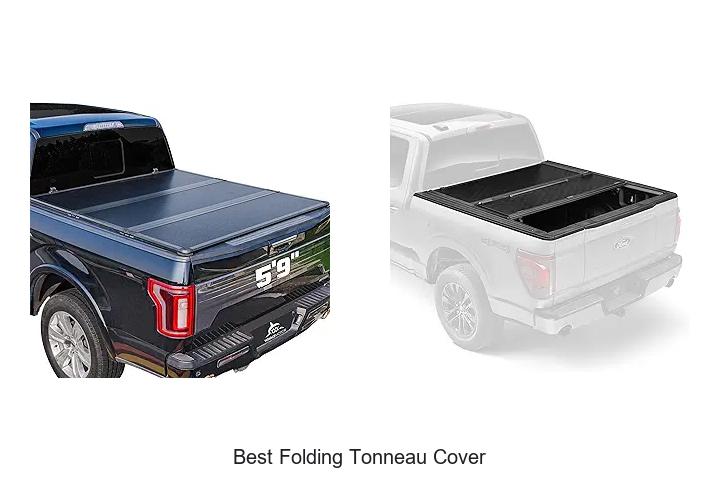
Depending on the design, tonneau covers can be soft or hard, folding or rolling up to give you easy access to your truck bed.
By reducing air drag over the open bed, they help improve fuel efficiency too.
Weight Capacity: Soft vs. Hard Tonneau Covers
When choosing a tonneau cover, you’ll want to evaluate how much weight it can support, especially if you plan to use it for extra storage or protection.
Soft tonneau covers are typically made from vinyl or fabric and offer limited weight capacity. They’re designed to protect your cargo from the elements rather than bear heavy loads, so you shouldn’t expect them to hold much weight—usually just a few pounds.
On the other hand, hard tonneau covers are constructed from materials like aluminum, fiberglass, or hard plastic, giving them greater structural strength. These covers can support considerably more weight, making them better suited if you need to place tools or gear on top.
Knowing these differences helps you pick the right cover based on your weight requirements.
Which Types of Tonneau Covers Hold the Most Weight?
If you need a tonneau cover that can hold substantial weight, hard covers are your best bet. Among hard covers, aluminum and fiberglass models offer the strongest support, easily handling heavy loads like tools or equipment.
Folding hard covers also provide solid weight capacity while granting you quick access to your truck bed.
On the other hand, soft covers—made from vinyl or fabric—aren’t designed to bear much weight. They’re great for weather protection and light cargo but won’t support heavy items without sagging or damage.
How Tonneau Covers Are Tested for Weight Capacity
Since you rely on your tonneau cover to protect and support your cargo, knowing how manufacturers test their weight capacity is essential.
They typically use standardized pressure tests, applying incremental weights evenly across the cover’s surface. This helps determine the maximum load the cover can safely hold without bending or breaking.
Some brands also simulate real-life conditions, like rain or wind, to guarantee durability under stress. You’ll find that testing often involves placing heavy objects or using mechanical rigs to mimic weight distribution.
These tests confirm the cover’s strength and help manufacturers provide accurate weight limits. By understanding these methods, you can choose a cover that meets your specific needs and avoid overloading it, guaranteeing your cargo stays secure and your cover lasts longer.
Frame Materials and Their Impact on Weight Support
Although the fabric and design of a tonneau cover matter, the frame material plays a crucial role in how much weight it can support.
When you choose a cover with an aluminum frame, you get a lightweight yet sturdy structure that handles weight well without bending.
Steel frames, on the other hand, offer superior strength and durability but add extra weight to your truck.
Some covers use composite or reinforced plastic frames, which provide decent support but generally can’t hold as much weight as metal frames.
Keep in mind that a stronger frame means better resistance to sagging or damage when you place heavy items on top.
How Installation Quality Affects Your Tonneau Cover’s Strength
When you install your tonneau cover properly, you affirm it can handle weight as intended without risking damage or sagging.
If you skip steps or rush the process, the cover mightn’t secure tightly, reducing its load capacity and increasing wear. Make sure to follow the manufacturer’s instructions carefully, using all recommended hardware and tools.
Align the cover evenly, tighten clamps or bolts firmly, and check for any gaps or loose spots.
Improper installation can cause stress points that weaken the frame or cover material, leading to premature failure.
Taking the time to install your tonneau cover correctly guarantees it maintains strength and durability, allowing it to support weight more effectively and protecting your truck bed from external elements.
Can You Safely Stand or Sit on a Tonneau Cover?
Wondering if you can safely stand or sit on your tonneau cover? Most soft tonneau covers aren’t designed to support much weight, so standing or sitting on them can cause damage or lead to accidents.
Hard tonneau covers, especially those made from aluminum or fiberglass, are sturdier and might support your weight if properly installed. However, even with a hard cover, you should check the manufacturer’s guidelines to confirm its weight limit before climbing on.
Keep in mind that any added weight stresses the cover’s hinges and frame, potentially shortening its lifespan. If you need extra support, consider installing a reinforced cover or using a truck bed cap designed to handle more weight safely.
Always prioritize safety to avoid injury or damage.
What Happens If You Exceed Your Tonneau Cover’s Weight Limit?
If you exceed your tonneau cover’s weight limit, you risk damaging the cover’s material, hinges, and frame. The cover may warp or crack under excessive pressure, compromising its protective function.
Hinges can bend or break, making it difficult to open or close the cover properly. You might also notice sagging, which can cause water pooling or allow debris to collect, leading to further deterioration.
Overloading the cover could void warranties, leaving you responsible for costly repairs or replacements. Additionally, a weakened cover may fail suddenly, risking damage to your cargo or even causing injury.
To avoid these issues, always check your tonneau cover’s weight capacity and keep loads within safe limits to maintain its durability and functionality.
Weather Effects on Tonneau Cover Strength
Although tonneau covers are designed to withstand various conditions, weather can greatly impact their strength and durability. When exposed to extreme heat, some materials may soften or warp, reducing the cover’s ability to hold weight.
In cold weather, certain covers become brittle and more prone to cracking under pressure. Rain and snow add moisture weight, which can strain the cover beyond its limits if you’re not careful.
UV rays from the sun can also degrade fabrics and plastics over time, weakening structural integrity. To maintain your tonneau cover’s strength, regularly inspect it for weather-related wear and avoid placing heavy loads during extreme weather.
Understanding these effects helps you protect your cover and extend its lifespan effectively.
When Not to Load Heavy Weight on Your Tonneau Cover
Weather conditions can weaken your tonneau cover, making it less safe to carry heavy loads.
Avoid placing heavy objects on it after prolonged exposure to sun, rain, or snow, as materials may have degraded.
Don’t load your cover if you notice cracks, sagging, or other signs of wear—these indicate reduced strength.
Also, avoid using your tonneau cover to support weight when driving on uneven terrain or at high speeds, since shifting loads can cause damage or accidents.
If you plan to carry tools, equipment, or cargo that exceed your cover’s weight limits, use alternative storage solutions or secure cargo inside the truck bed.
Prioritizing safety by knowing when not to load heavy weight on your tonneau cover will extend its lifespan and protect your vehicle.
Choosing a Tonneau Cover for Your Weight Needs
When selecting a tonneau cover, you need to contemplate how much weight it can safely support to match your specific hauling needs.
Start by considering the types of items you’ll haul regularly—whether lightweight gear or heavier equipment. Hard folding or retractable covers generally offer higher weight capacities compared to soft covers, so choose accordingly.
Also, check the manufacturer’s weight ratings and installation instructions to guarantee compatibility with your truck model. Don’t forget to factor in the cover’s material quality and frame strength, as these influence durability under load.
How to Load Your Tonneau Cover Without Damage
To prevent damage to your tonneau cover, you should distribute weight evenly and avoid placing heavy objects directly in the center.
Place lighter items near the edges and heavier ones closer to the sides, where the cover has more support. Avoid sharp or pointed objects that can puncture or tear the surface. Use soft padding or blankets under your cargo to protect the cover from scratches.
When stacking items, don’t exceed the cover’s weight limit specified by the manufacturer. Secure loads with straps or bungee cords to prevent shifting while driving, which could strain the cover unevenly.
Regularly inspect your tonneau cover for signs of stress or damage after loading heavy items. Following these steps helps maintain the cover’s durability and keeps your truck bed protected.
Reinforcing Your Tonneau Cover for Extra Weight
Even with careful loading, some situations call for extra support to handle heavier cargo on your tonneau cover. To reinforce it, start by adding crossbars or support braces underneath the cover. These distribute weight more evenly and prevent sagging.
You can also install a bed extender or use a sturdy cargo net to secure heavy items and reduce pressure on the cover. Check your tonneau cover’s frame and hinges regularly—tighten any loose bolts to maintain stability.
Avoid placing uneven or concentrated loads, as reinforcements work best with balanced weight. If you frequently haul heavy gear, consider upgrading to a cover designed to support higher loads.
Reinforcing your cover this way helps protect it from damage and extends its lifespan.
Comparing Popular Tonneau Cover Brands’ Weight Ratings
Choosing the right tonneau cover means understanding how much weight it can safely support. Popular brands like BakFlip, Truxedo, and Retrax each offer covers with different weight capacities.
For example, BakFlip’s hard folding covers typically hold around 350 to 400 pounds, providing solid support for heavy loads. Truxedo’s soft roll-up covers usually support less weight, around 150 to 200 pounds, since they prioritize flexibility over strength.
Retrax, known for its retractable covers, can hold up to 300 pounds depending on the model.
When choosing, consider your specific needs—whether you want a rugged cover for hauling gear or a lighter option for occasional use. Comparing these ratings helps guarantee you pick a cover that meets your truck’s load demands without risking damage.
How to Maintain Your Tonneau Cover to Preserve Strength
Understanding the weight limits of your tonneau cover is only part of the equation; maintaining its strength over time guarantees it performs as expected.
To keep your cover sturdy, regularly clean it with mild soap and water, avoiding harsh chemicals that can degrade materials. Inspect the frame and latches often for signs of rust or wear, lubricating moving parts to facilitate smooth operation.
Tighten any loose bolts or screws to maintain structural integrity. Store the cover properly when not in use to prevent unnecessary exposure to extreme weather, which can weaken fabrics and seals.
Frequently Asked Questions
Can a Tonneau Cover Improve My Truck’s Fuel Efficiency?
Yes, a tonneau cover can improve your truck’s fuel efficiency by reducing aerodynamic drag.
When you cover the open bed, it smooths airflow over the truck, preventing air from getting trapped and causing resistance. This means your engine doesn’t have to work as hard, which can save you fuel, especially on highways.
While the improvement varies, many drivers notice better mileage once they install a good-quality tonneau cover.
Are Tonneau Covers Compatible With Truck Bed Liners?
Tonneau covers are generally compatible with truck bed liners—it’s a match made in heaven for protecting your truck bed.
Just make sure the liner isn’t too thick or bulky, or it might interfere with the cover’s fit.
Soft roll-up or folding covers work best with liners.
Always double-check your cover’s specifications and your liner’s design to avoid any hiccups when installing both together.
How Do Tonneau Covers Affect Truck Bed Security?
Tonneau covers boost your truck bed security by hiding your cargo from view and deterring theft.
When locked, they create a barrier that prevents easy access, so thieves can’t just grab your stuff. However, they’re not completely theft-proof, especially if someone’s determined.
Still, having a tonneau cover definitely makes your truck bed less tempting and gives you peace of mind when you leave your gear behind.
What Are the Best Cleaning Products for Tonneau Covers?
You’ll want to use mild soap and water or a cleaner specifically made for tonneau covers, like 303 Aerospace Protectant or Meguiar’s Marine/RV Cleaner.
Avoid harsh chemicals or abrasive brushes since they can damage the surface.
After washing, apply a UV protectant to keep your cover looking new and prevent cracking.
Regular cleaning and conditioning will help you maintain its durability and appearance over time.
Can Tonneau Covers Be Used in Extreme Cold or Heat?
You might think your tonneau cover would freeze solid like a block of ice or melt under a blazing sun, but it’s designed to handle extreme cold and heat.
Most covers use durable materials that stay flexible in freezing temps and resist warping in scorching heat.
Just remember to check your cover’s specifications and maintain it properly—doing so keeps it looking great and working perfectly, no matter the weather extremes you face.
Conclusion
Now that you know how much weight your tonneau cover can handle, you’re ready to load up without worry. Whether you choose a soft or hard cover, understanding its limits keeps your gear safe and your cover intact. Remember, even the sturdiest tonneau cover isn’t a superhero—don’t pile on a mountain of weight! With proper care and loading, your cover will stay strong and reliable for every adventure ahead.