How You Can Lock a Tonneau Cover Securely
You can lock your tonneau cover securely by first choosing a lock compatible with your cover type—hard covers usually have integrated locks, while soft covers may need clamp-style or keyed locks. Install the lock according to manufacturer instructions, ensuring a snug fit, and protect it with silicone-based lubricant to prevent sticking. Adding alarm systems or locking cables enhances security. Keep your locks maintained and check for tampering to maximize protection. Explore further to discover expert tips on optimizing your cover’s security.
Why Locking Your Tonneau Cover Matters
Security plays an essential role when it comes to protecting your truck bed, and locking your tonneau cover is a simple way to guarantee that. When you secure your cover, you prevent unauthorized access, keeping tools, equipment, or personal items safe from theft.
Without a lock, anyone can easily lift the cover and take what’s inside, leaving you vulnerable. Locking also protects your cargo from weather damage by ensuring the cover stays firmly closed.
This peace of mind means you don’t have to constantly check on your belongings or worry when leaving your truck unattended. By locking your tonneau cover, you take an active step to safeguard your investment and maintain the integrity of your truck bed’s contents.
Types of Tonneau Covers and Their Locking Features
Understanding the different types of tonneau covers can help you choose the best locking option for your truck.
Soft roll-up covers usually rely on the tailgate lock to secure them, offering basic protection.
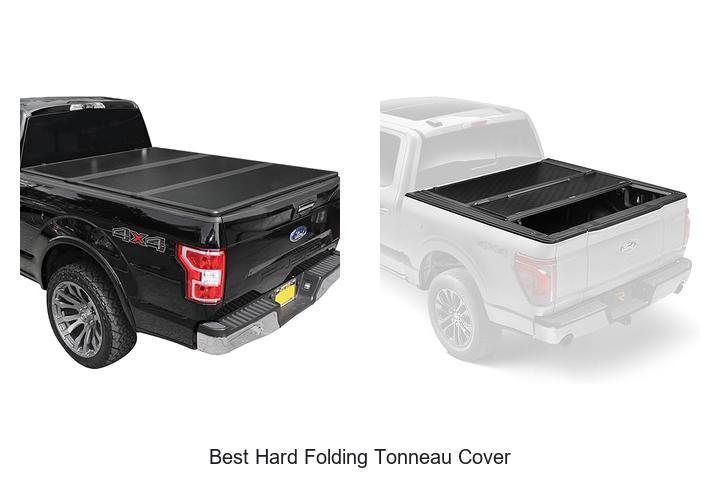
Hard folding covers often come with integrated locks or latch systems that secure each panel, providing stronger security.
Retractable covers typically feature built-in locking mechanisms that engage when the cover is closed, giving you peace of mind.
Snap-on or snapless covers may not have dedicated locks but depend on the tailgate’s lock or aftermarket accessories.
Knowing these differences lets you pick a cover that matches your security needs without sacrificing convenience.
Always consider how the locking feature complements your truck’s tailgate lock for ideal safety.
How to Check If Your Tonneau Cover Has Built-In Locks
A quick way to determine if your tonneau cover has built-in locks is to inspect its edges and latching points for keyholes or locking mechanisms.
Check along the sides and near the tailgate where locks are commonly integrated. If you spot a small keyhole or a latch that clicks into place securely, your cover likely includes built-in locking features.
You can also examine the underside of the cover for locking bars or clamps that secure it to the truck bed.
Additionally, consult the manufacturer’s manual or product details online using your tonneau cover’s model number for confirmation.
Identifying built-in locks early helps you decide if you need extra security measures or if your cover already offers adequate protection.
How to Choose the Right Lock for Your Tonneau Cover
How do you pick the right lock for your tonneau cover? Start by considering your cover type—hard or soft—as some locks suit one better than the other.
Look for durable materials like stainless steel or heavy-duty alloys that resist rust and tampering. Next, decide between keyed locks, combination locks, or latch-style locks based on your convenience and security needs.
Check compatibility with your tonneau’s design to guarantee a snug fit without damaging the cover. Also, think about ease of use; you want a lock that’s straightforward to operate but tough for thieves to bypass.
Finally, read reviews and compare brands to find a reliable lock that balances security, durability, and cost. This way, you’ll secure your truck bed effectively without hassle.
How to Install Locks on Soft Tonneau Covers
Once you’ve selected the right lock for your soft tonneau cover, the next step is installing it properly to guarantee maximum security.
Begin by reading the manufacturer’s instructions thoroughly. Most soft covers use clamp-style locks or keyed locks integrated into the cover’s frame.
First, position the lock where the cover folds or attaches to the truck bed rails. Use a drill to create small pilot holes if required, ensuring you don’t damage the cover or bed.
Secure the lock firmly with the provided screws or bolts. Test the lock by closing and locking the cover several times to confirm it latches securely without hindering cover operation.
Proper installation deters theft and protects your cargo effectively.
How to Install Locks on Folding and Retractable Covers
Start by identifying the locking points on your folding or retractable tonneau cover, as these covers often have built-in lock mechanisms or designated areas for adding locks.
Once located, check if your cover supports aftermarket lock kits designed specifically for its model. If it does, purchase a compatible lock set to guarantee a secure fit.
Next, follow the manufacturer’s instructions to install the locks, usually involving securing lock housings around the latch or frame. Use appropriate tools like screwdrivers or drills carefully to avoid damaging the cover.
After installation, test the locks by closing and locking the cover multiple times to confirm smooth operation and security. Properly installed locks will deter theft and keep your cargo safe without compromising the cover’s functionality.
How to Use Padlocks Without Damaging Your Truck Bed
If your folding or retractable cover doesn’t support built-in locks, you can still secure your truck bed using padlocks.
To avoid damaging your truck, choose padlocks with smooth, rust-resistant shackles that won’t scratch the paint or metal. Use soft protective covers or rubber sleeves on the shackles for added protection.
When attaching padlocks, hook them through existing latch holes or secure points on the cover and truck bed frame—never force them into areas not designed for locking. Avoid using excessive force, which can bend or dent the bed.
Regularly inspect the contact points for wear or damage, and clean the area to prevent dirt buildup. By taking these precautions, you’ll keep your truck bed protected without compromising its finish or structure.
How to Secure Folding Tonneau Covers With Locking Clamps
Although folding tonneau covers often come with built-in locking mechanisms, you can boost their security by adding locking clamps. These clamps attach firmly to the cover’s frame and the truck bed, preventing unauthorized folding or removal.
To secure your cover, first identify compatible locking clamps designed for your tonneau model. Then, position the clamps at strategic points along the cover’s edges, ensuring they grip tightly without damaging the surface.
Tighten the clamps using the provided keys or combination locks, which add an extra layer of theft deterrence. Remember, locking clamps are easy to install and remove, giving you convenience without compromising security.
How to Use Locking Cables With Your Tonneau Cover
When you want to add an extra layer of security to your tonneau cover, locking cables offer a flexible and effective solution.
Start by choosing a high-quality, cut-resistant cable designed for outdoor use. Loop the cable through the tonneau cover’s built-in tie-down points or frame. Then, secure the cable to a fixed, immovable part of your truck, like the bed rails or chassis.
Use a sturdy padlock or combination lock to fasten the cable ends together, ensuring it’s tight enough to prevent slack but not so tight that it damages the cover.
Regularly check the cable and lock for wear or tampering. This method helps deter theft by making it harder for someone to quickly remove your tonneau cover.
How to Reinforce Tonneau Cover Lock Points
Locking cables can strengthen your tonneau cover’s security, but reinforcing the lock points themselves adds another layer of protection.
Start by inspecting the existing lock areas for any signs of wear or weakness. You can install metal plates or brackets around these points to distribute force more evenly and prevent breakage.
Using high-quality, rust-resistant bolts and nuts will guarantee these reinforcements hold up over time. Consider welding reinforcements if you want a permanent solution, but only if you’re comfortable with this or have a professional help.
Tighten all fasteners securely and check them regularly. These simple steps make it harder for thieves to pry open your cover, giving you peace of mind while protecting your truck bed and cargo effectively.
How to Prevent Lock Tampering on Tonneau Covers
Since thieves often target vulnerable locks, you need to take proactive steps to prevent tampering on your tonneau cover. Start by choosing locks with anti-drill and anti-pick features to make unauthorized access harder.
Regularly inspect your locks for signs of forced entry or wear, and address issues immediately. Use lock covers or shields to hide the lock mechanism and deter tampering tools. Tighten all mounting hardware to reduce looseness that could aid manipulation.
Consider adding a secondary security measure like a cable lock or alarm system to alert you of interference. Avoid leaving your vehicle unattended in poorly lit or isolated areas, as visibility discourages tampering.
How to Choose Weather-Resistant Locks for Outdoor Use
Because your tonneau cover faces constant exposure to the elements, choosing weather-resistant locks is crucial to guarantee long-lasting security.
You should look for locks made from corrosion-resistant materials like stainless steel or brass. These materials hold up well against rain, snow, and UV rays.
Also, pick locks with a sealed design to prevent moisture and dirt from entering the locking mechanism, which can cause rust or jamming. Weatherproof coatings or finishes add an extra layer of protection.
Don’t forget to check if the lock has a protective cover over the keyway to block debris and water.
Finally, consider locks rated for outdoor use, as manufacturers often test their durability under harsh conditions. This guarantees your tonneau cover stays secure no matter the weather.
How to Maintain and Lubricate Your Tonneau Cover Locks
Choosing the right weather-resistant locks helps protect your tonneau cover from the elements, but regular upkeep keeps them working smoothly over time.
Start by cleaning the locks with a soft brush or cloth to remove dirt and debris that can cause wear. Avoid harsh chemicals; mild soap and water work best.
After cleaning, apply a silicone-based lubricant or graphite powder to the keyhole and moving parts—these lubricants prevent rust without attracting dust. Avoid oil-based lubricants, which can gum up the mechanism.
Regularly check your locks for signs of corrosion or damage, addressing issues promptly to maintain security.
How to Use Alarm Systems With Locked Tonneau Covers
When you lock your tonneau cover, pairing it with a reliable alarm system adds an extra layer of protection against theft.
First, choose an alarm system compatible with your truck and tonneau cover. Many modern systems offer sensors that detect vibrations or attempts to pry open the cover. Install the sensors near the lock or along the edges to detect tampering quickly.
Make certain the alarm connects to your vehicle’s central security system or operates independently with a loud siren. Test the system regularly to guarantee it responds promptly.
You can also opt for smart alarms that send alerts to your phone, so you stay informed even when away.
Combining a locked tonneau cover with an alarm system greatly reduces the risk of unauthorized access.
How Insurance Views Locked Tonneau Covers for Theft Protection
Although locking your tonneau cover adds a clear layer of theft protection, insurance companies evaluate its effectiveness based on specific criteria.
They look for quality locks that are difficult to tamper with and whether the cover is securely fastened to the truck bed. Some insurers require locks that meet certain industry standards or certifications to qualify for theft protection discounts.
Additionally, they consider if the locking mechanism is integrated with your vehicle’s security system, which can further reduce risk.
Keep in mind that simply having a lock isn’t enough; insurers want proof that the tonneau cover considerably deters theft.
To maximize your chances of lower premiums or claims approval, choose high-grade locks and verify your cover is properly installed and maintained.
Best Practices for Locking Your Tonneau Cover on the Go
Securing your tonneau cover properly while on the move plays a key role in preventing theft and protecting your cargo.
First, always double-check that all locks are fully engaged before hitting the road. If your cover has multiple locking points, verify each one clicks securely into place.
When possible, use a high-quality lock designed specifically for your tonneau cover to add an extra layer of security.
Avoid leaving your truck unattended in poorly lit or isolated areas, as this increases theft risk.
Regularly inspect your locks and hinges for wear or damage, addressing issues immediately.
Finally, consider using a security cable or alarm system for added peace of mind.
Taking these steps helps keep your cargo safe wherever you go.
Frequently Asked Questions
Can Locking a Tonneau Cover Affect My Truck’s Fuel Efficiency?
Locking your tonneau cover won’t directly affect your truck’s fuel efficiency.
However, having a secured, properly fitted cover can improve aerodynamics by reducing drag, which might help save some fuel.
If the cover is loose or damaged, it could create extra wind resistance, slightly lowering efficiency.
Are There Smartphone Apps to Monitor Tonneau Cover Security?
Yes, you can use smartphone apps to monitor tonneau cover security if your cover supports smart locking features.
Many modern tonneau covers come with Bluetooth or Wi-Fi-enabled locks that sync with apps, letting you check lock status, receive alerts, and control the lock remotely.
Make certain to choose a compatible cover and app, and keep your phone updated to guarantee smooth, secure monitoring wherever you are.
How Do Tonneau Cover Locks Perform in Extreme Cold Temperatures?
Tonneau cover locks can struggle in extreme cold because the metal parts might contract, making the lock stiff or hard to turn.
You might find ice or frost buildup inside the lock mechanism, causing it to freeze up.
To keep it working smoothly, you can use a silicone-based lubricant or lock de-icer.
Regular maintenance and protecting the lock from moisture help guarantee it performs well, even when temperatures drop drastically.
Can I Use a Tonneau Cover Lock on a Trailer or Camper?
Yes, you can use a tonneau cover lock on a trailer or camper, and it actually works well for securing their storage compartments.
You might worry the lock isn’t tough enough for larger spaces, but many locks are designed to withstand harsh conditions and tampering.
Just make sure to choose a lock compatible with your trailer or camper’s material and lock mechanism.
This way, you’ll keep your belongings safe wherever you go.
What Are the Common Mistakes When Locking a Tonneau Cover?
Common mistakes when locking a tonneau cover include not fully engaging the lock, leaving it partially secured, or using weak locks that are easy to tamper with.
You might also neglect regular maintenance, causing the lock to jam or rust.
Another error is ignoring the cover’s alignment, making it hard to lock properly.
Always double-check your lock’s fit and condition to keep your truck bed secure and avoid these pitfalls.
Conclusion
Locking your tonneau cover isn’t just about keeping your truck looking sharp—it’s about protecting what’s inside. Remember, a stitch in time saves nine; taking a few moments to secure your cover now can prevent bigger headaches later. Whether you choose built-in locks or add your own, maintaining them and using alarms boosts your peace of mind. Stay vigilant and lock up every time—you’ll thank yourself when your gear stays safe and sound.