Should I Roll Up My Tonneau Cover Before a Car Wash?
You should usually roll up your soft tonneau cover before a car wash to prevent it from flapping or getting damaged by brushes and high-pressure water. Hard covers, meanwhile, are generally safe to leave closed during a wash since they’re sturdier and less likely to be affected. Always check your cover’s guidelines and confirm with the car wash staff if you can. If you want to know how different covers react and how to care for yours, keep exploring the details ahead.
Do You Need to Roll Up Your Tonneau Cover Before a Car Wash? (Quick Answer)
Do you really need to roll up your tonneau cover before a car wash?
Usually, you don’t have to. Most modern car washes are designed to handle vehicles with tonneau covers without causing damage. These covers are built to withstand water, soap, and pressure from automated brushes.
However, it depends on the type of cover and the car wash. If you have a soft, roll-up cover, you might want to secure it properly to avoid flapping or getting caught in the machinery. For hard covers, it’s generally safe to leave them on.
Still, if you’re unsure, check your cover’s manufacturer guidelines or ask the car wash attendants. Taking a moment to confirm can prevent unexpected damage or extra cleaning hassle afterward.
What Is a Tonneau Cover and How Does It Work?
A tonneau cover acts as a protective lid for your truck bed, keeping cargo safe from weather and theft while improving aerodynamics.
You’ll find these covers come in various styles—soft or hard, roll-up, folding, or retractable—each designed to fit snugly over your truck bed.
When you use one, it seals your cargo area, preventing rain, dust, and debris from getting in. Plus, it reduces wind drag, which can help with fuel efficiency.
You operate it by rolling, folding, or sliding it open and closed, depending on the type. This means you can access your truck bed easily while keeping it covered when needed.
Understanding how your tonneau cover works helps you care for it properly and decide if you should roll it up before a car wash.
How Different Types of Tonneau Covers Respond to Car Washes
Since tonneau covers come in different materials and mechanisms, how they handle car washes can vary considerably.
Soft roll-up covers made of vinyl or fabric are generally flexible, but you might want to fasten them tightly to prevent water or soap from getting underneath.
Hard folding or tri-fold covers, often made of aluminum or fiberglass, are sturdier and can usually withstand automated washes without damage, but you’ll want to verify they’re properly latched.
Retractable covers, which slide into a canister, might be more sensitive—some recommend rolling them up to avoid water seeping into the mechanism.
Snap-on or hinged hard covers are usually rigid and can be left closed during a wash.
Knowing your cover type helps you decide whether to roll it up or keep it secured during cleaning.
How Car Washes Can Affect Your Tonneau Cover
Although car washes offer convenience, they can sometimes cause wear or damage to your tonneau cover if you’re not careful. The brushes and high-pressure jets can scratch or tear certain materials, especially softer or more delicate covers.
Dirt and debris trapped under the cover might get pressed against the surface, leading to abrasions. Additionally, some chemical detergents used in automatic washes could degrade the fabric or vinyl over time.
If your cover isn’t secured properly, it might flap during the wash, causing stress on hinges or fasteners. Water can also seep into seams or edges, potentially leading to mold or mildew if not dried thoroughly.
Understanding these risks helps you protect your tonneau cover and maintain its appearance and functionality longer.
Should You Roll Up a Soft Tonneau Cover Before Washing?
How should you prepare your soft tonneau cover before heading into a car wash?
Generally, you don’t need to roll it up. Soft covers are designed to handle exposure to water and gentle cleaning.
However, it’s wise to check for any dirt or debris trapped under the cover that might scratch the surface during washing.
If your cover is particularly loose or worn, rolling it up can prevent damage from aggressive brushes or high-pressure water jets.
Make sure to secure it properly if you choose to roll it up, so it doesn’t unroll during the wash.
Ultimately, leaving your soft tonneau cover rolled down is usually fine, but inspect its condition and your car wash type to decide the best approach.
Do Hard Tonneau Covers Need to Be Rolled Up?
Many hard tonneau covers are designed to stay securely closed during car washes, so you typically don’t need to roll them up beforehand.
These covers are built with sturdy materials and locking mechanisms that keep them in place, preventing water or brushes from damaging your truck bed or cover.
Before heading to the wash, just double-check that your cover is properly latched and sealed. If it is, you can leave it as is without worrying about it popping open or getting scratched.
However, if your hard cover shows signs of wear or loose fittings, it might be safer to remove or roll it up to avoid any mishaps during the wash.
Otherwise, you’re good to go with it closed.
Pros of Rolling Up Your Tonneau Cover Before a Car Wash
While hard tonneau covers often stay secure during car washes, rolling up your cover beforehand can offer some advantages.
First, it lets you thoroughly clean the cover itself, removing dirt and grime that might otherwise get trapped. You also protect the cover from potential damage caused by aggressive brushes or high-pressure water jets.
Rolling it up can prevent water from pooling on the cover, which reduces the risk of mold or mildew buildup. Plus, it gives you better access to your truck bed, allowing you to wash it properly.
Finally, by rolling it up, you avoid scratches or scuffs on the cover’s surface, keeping it looking newer longer.
Cons of Rolling Up Your Tonneau Cover Before a Car Wash
Although rolling up your tonneau cover before a car wash can protect it in some ways, it also exposes your truck bed to dirt, debris, and water that the cover would normally shield against. This means your truck bed can get dirtier, requiring more cleanup afterward.
Additionally, the cover itself might collect water or soap residue when rolled up, potentially causing mildew or damage if left damp.
You also risk scratching or bending the cover during the rolling process, especially if you’re in a hurry or if the cover isn’t designed for frequent handling.
Finally, some covers may lose their shape or tension over time if rolled up too often, reducing their effectiveness and lifespan.
Risks of Keeping Your Tonneau Cover Rolled During a Car Wash
If you keep your tonneau cover rolled during a car wash, you risk trapping dirt and water in the folds, which can lead to mold or mildew buildup.
The moisture that gets caught won’t dry properly, especially if the cover stays rolled for a while afterward. Additionally, dirt and debris can scratch the cover’s material when it’s rolled up, causing premature wear and tear.
The cover’s moving parts may also collect grime, which could affect how smoothly it rolls out later. You might think keeping it rolled protects it during washing, but the trapped contaminants can actually degrade the cover’s finish and fabric.
To avoid these issues, consider unrolling and securing the cover before you wash your truck.
How Automatic and Touchless Car Washes Impact Tonneau Covers
Because automatic and touchless car washes use high-pressure water jets and strong detergents, they can affect your tonneau cover in unique ways.
The forceful water can strain the cover’s seams or edges, especially if it’s already worn or loose. Detergents designed to break down tough grime might degrade the cover’s material over time, causing fading or stiffness.
Touchless systems, while gentler on paint, don’t physically scrub, so dirt and debris on the cover mightn’t get fully removed, potentially leading to buildup.
You should also consider how securely your cover is fastened; a loosely attached cover risks flapping or even tearing during the wash cycle.
Understanding these impacts helps you decide whether to roll up your cover before using these car wash types.
Tips to Protect Your Tonneau Cover in Touchless Car Washes
When you use a touchless car wash, taking a few precautions can help protect your tonneau cover from damage.
First, inspect your cover for any tears or loose parts before the wash; these can worsen under high-pressure water. Next, ascertain your cover is properly sealed and latched to prevent water from seeping underneath.
Avoid using harsh detergents or cleaners on the cover before washing, as they can degrade the material when combined with the car wash chemicals.
After the wash, dry your cover with a soft cloth to prevent water spots and mildew.
Finally, regularly apply a protectant designed for your cover’s material to maintain its flexibility and resistance to UV rays, keeping it in good shape through many washes.
How to Properly Roll Up and Secure Your Tonneau Cover
Protecting your tonneau cover during a car wash often means rolling it up properly to keep it safe from water pressure and soap buildup.
Start by clearing the bed of any debris or items that might obstruct the cover’s movement. Release the latches or clamps securing the cover, then gently lift and fold it toward the cab, rolling it evenly to avoid creases or damage.
Make sure the cover is rolled tightly but not overly tight, which can strain the material. Use the built-in straps or clips to secure the rolled cover firmly in place, preventing it from unrolling during the wash.
Finally, double-check that the cover is stable and won’t flap in the wind or water spray, ensuring effective protection throughout the car wash process.
Can Rolling Your Tonneau Cover Cause Damage?
Although rolling your tonneau cover is a common practice, it can sometimes cause damage if done improperly. If you roll it too tightly or forcefully, you risk creasing or tearing the material.
Dirt and debris trapped under the cover can scratch the surface when you roll it, so always clean the cover before rolling. Using excessive force on the locking mechanisms or hinges may wear them out faster or cause them to break.
Also, leaving the cover rolled up for extended periods can strain the seams and reduce its lifespan. To prevent damage, roll your cover gently, guarantee it’s clean, and avoid forcing any parts.
Taking these precautions will keep your tonneau cover in good shape and extend its usability.
When Is It Safe to Leave Your Tonneau Cover Closed During a Wash?
How do you know if it’s safe to keep your tonneau cover closed during a car wash? First, check the type of car wash. Touchless or soft cloth washes are usually gentle enough to leave your cover down without causing damage.
Avoid automatic brushes with harsh bristles, as they can scratch or stress the cover. Next, make sure your cover is properly secured and free of debris that might scratch the surface during washing.
Also, confirm that your cover is waterproof and designed to handle water pressure from a wash. If your tonneau cover is rigid or hard-shell, it’s generally safer to leave it closed compared to soft covers that might trap dirt or water underneath.
When in doubt, consult your cover’s manufacturer guidelines.
How Weather Affects Your Tonneau Cover During Car Washes
When should you be extra cautious about your tonneau cover during a car wash? Pay close attention during extreme weather conditions.
If it’s windy, dirt and debris can get trapped under the cover, causing scratches or damage when the cover moves.
Rain or snow can add moisture between the cover and truck bed, potentially leading to mold or rust if it doesn’t dry properly afterward.
Cold weather may make some covers brittle or less flexible, increasing the risk of cracking when pressure is applied during washing.
On hot days, the cover’s material may expand, affecting its fit and seal.
Cleaning Your Truck Bed With the Tonneau Cover on
Keeping your tonneau cover rolled up during a car wash isn’t always necessary, especially if you want to clean your truck bed at the same time.
Many modern tonneau covers are designed to be water-resistant and durable, allowing water and soap to reach your truck bed even when the cover is closed.
To clean effectively, use a pressure washer or hose to rinse off debris, then apply a mild detergent with a soft brush or sponge.
Avoid harsh chemicals that might damage the cover or truck bed.
After washing, rinse thoroughly to remove soap residue and dry the area to prevent water spots.
This approach saves time and protects your truck bed from dirt buildup without the hassle of removing the cover.
Maintenance Tips to Extend Your Tonneau Cover’s Life
To extend your tonneau cover’s life, you should perform regular maintenance that includes cleaning, inspecting, and protecting its materials.
Start by washing the cover with mild soap and water to remove dirt and debris without damaging the surface. Avoid harsh chemicals that can degrade the material.
Next, inspect the cover for tears, loose stitching, or damaged seals, and address any issues promptly to prevent further wear.
Applying a UV protectant designed for your cover’s material helps prevent sun damage and keeps it flexible.
Lubricate any hinges or locks to guarantee smooth operation.
Finally, store the cover properly when not in use, keeping it rolled up or flat in a dry, shaded area.
These steps will help you maintain your tonneau cover’s appearance and functionality for years.
Frequently Asked Questions
Can I Use a Pressure Washer on My Tonneau Cover?
Yes, you can use a pressure washer on your tonneau cover, but you need to be careful.
Keep the pressure at a moderate level to avoid damaging the material or seams. Hold the nozzle about 12-18 inches away and avoid using harsh detergents.
Focus on gentle cleaning to remove dirt without causing wear. Always check your cover’s care instructions first, so you don’t accidentally void any warranties or harm its finish.
How Do I Remove Mold or Mildew From a Tonneau Cover?
Did you know that 90% of mildew problems on outdoor fabrics stem from trapped moisture?
To remove mold or mildew from your tonneau cover, start by mixing a solution of mild soap and water or use a specialized cleaner.
Gently scrub the affected areas with a soft brush or cloth. Rinse thoroughly with water and let it dry completely in the sun.
Avoid harsh chemicals—they can damage the cover’s material.
Are There Special Cleaning Products for Tonneau Covers?
Yes, you’ll find special cleaning products designed just for tonneau covers.
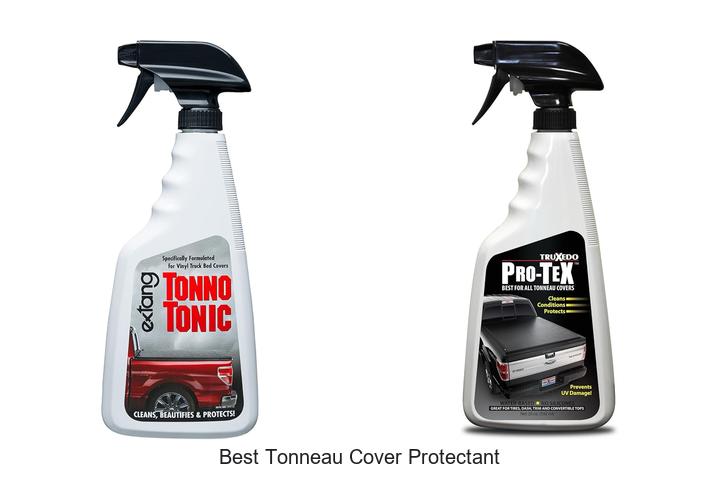
These cleaners are gentle yet effective, preventing damage or fading. Avoid harsh chemicals or abrasive tools—they can harm the material.
Look for cleaners labeled safe for vinyl, leather, or whatever your cover’s made of. Using the right product helps maintain flexibility and water resistance, keeping your tonneau cover looking great and lasting longer.
Always follow the instructions on the label for best results.
Will Rolling up the Cover Affect My Truck’s Fuel Efficiency?
When it comes to fuel efficiency, rolling up your tonneau cover can make a noticeable difference.
Keeping the cover closed reduces air drag, so if you roll it up, your truck might drink more gas—no two ways about it. You want to keep that cover on during drives to squeeze every mile out of your tank.
Can I Leave Items Under the Tonneau Cover During a Car Wash?
You can leave items under the tonneau cover during a car wash, but it’s best to secure them well.
Make sure nothing is loose or could shift around, as the water pressure and soap might move items or cause damage.
Also, check if your cover is fully sealed to prevent water from soaking your belongings.
Taking these steps helps protect your stuff while keeping your truck clean and safe.
Conclusion
You might think keeping your tonneau cover closed during a car wash protects your truck bed, but sometimes rolling it up prevents damage and saves you hassle. Soft covers can get caught or torn, while hard covers often stay fine shut. Balancing convenience with care means knowing your cover type and weather conditions. So, don’t just assume—sometimes a little extra effort now means longer-lasting protection later. Your cover’s safety depends on the choices you make.