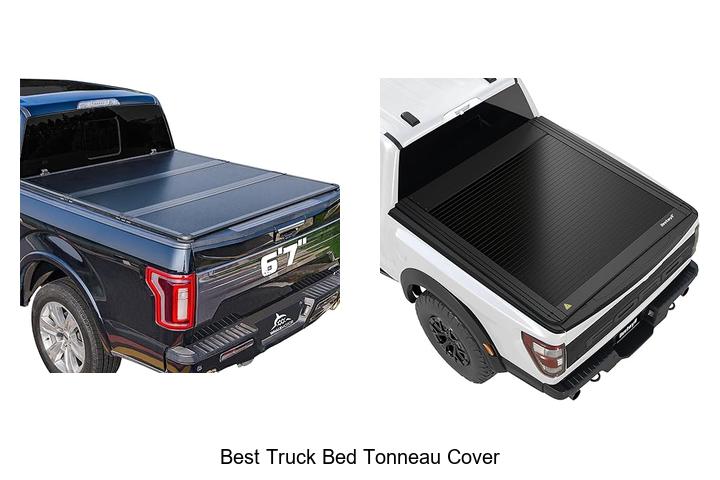
How to Seal a Tonneau Cover in 3 Simple Steps
First, clean and dry your truck bed and tonneau cover thoroughly to remove any dirt or debris. Next, measure and cut weatherproof tape or a seal to fit the edges, then press it firmly in place, ensuring tight corners. Finally, close the cover and test for leaks with water, reapplying sealant if needed. These simple steps will help keep your truck bed dry and protected—stick around to discover how to maintain and extend your seal’s effectiveness.
Get Your Truck Bed and Tonneau Cover Ready for Sealing
Before you begin sealing, make certain your truck bed and tonneau cover are clean and dry. Dirt, dust, and moisture can prevent seals from sticking properly and cause premature wear.
Start by removing any debris with a soft brush or cloth. Then, use a mild soap solution and water to clean the surfaces thoroughly. Rinse well and allow everything to dry completely—this step is essential to guarantee a strong bond.
Inspect the edges of both the truck bed and the cover for any damage or rust, repairing or treating spots as needed before sealing. Taking these preparatory steps will create the ideal surface for applying your weatherproof seals, helping you achieve a secure and long-lasting seal on your tonneau cover.
How to Apply Weatherproof Seals to Your Tonneau Cover
With your truck bed and tonneau cover clean, dry, and free of damage, you’re ready to apply the weatherproof seals.
Start by measuring the perimeter where the seal will go, then cut the weatherproof tape or gasket to fit precisely.
Peel off the backing carefully, avoiding touching the adhesive to keep it sticky.
Press the seal firmly along the edges of the truck bed or the tonneau cover, depending on your cover type.
Take your time to guarantee there are no gaps or bubbles, which could allow water in.
For corners, cut the seal at a 45-degree angle to create tight, neat joints.
Once applied, press all edges again for a secure bond that will keep moisture out effectively.
Test Your Seal and Keep Your Tonneau Cover Leak-Free
Once you’ve applied the weatherproof seals, it’s essential to test them thoroughly to guarantee your tonneau cover stays leak-free.
Start by closing the cover and inspecting all edges for gaps or uneven areas. Next, use a hose to spray water evenly over the cover, simulating rain. Check inside the truck bed for any signs of moisture or leaks.
If you spot leaks, press firmly on the seals or reapply sealant where needed. Regularly clean the seals and cover to prevent dirt buildup, which can compromise the seal’s effectiveness.
Also, inspect the seals every few months for wear and tear, replacing them as necessary. By staying proactive, you’ll keep your tonneau cover sealed tight and your truck bed dry in all weather.
Frequently Asked Questions
What Types of Tonneau Covers Are Best for Rainy Climates?
For rainy climates, you’ll want a hard folding or roll-up tonneau cover made from waterproof materials like vinyl or fiberglass.
These covers provide a tight seal to keep water out and protect your truck bed from moisture damage.
Soft covers with heavy-duty seals also work well if they’re designed to be water-resistant.
Make sure the cover you pick has good drainage and tight fittings to prevent leaks during heavy rain.
Can Sealing a Tonneau Cover Improve Fuel Efficiency?
Oh, absolutely! Sealing your tonneau cover is basically like strapping a rocket to your truck for fuel efficiency—except not quite.
While a tight seal can reduce drag by keeping the bed covered and smoother, it won’t magically make your gas tank last forever. You’ll see a slight improvement, sure, but don’t expect to win any mileage awards.
Still, sealing helps keep stuff dry and tidy, so it’s worth doing regardless!
How Often Should I Reseal My Tonneau Cover?
You should reseal your tonneau cover every 6 to 12 months to keep it watertight and protect your truck bed.
If you notice cracks, peeling, or water leaks sooner, reseal it right away.
Regularly inspect the seal and clean the cover to extend its life.
Weather conditions and how often you use your truck can affect how often resealing is needed, so adjust accordingly for the best protection.
Are There Specific Sealants Recommended for Vinyl Tonneau Covers?
You’ll want to use sealants specially made for vinyl to protect your tonneau cover effectively.
Look for products labeled as vinyl or marine sealants—they’re designed to stay flexible and resist cracking.
Avoid harsh solvents or silicone-based sealants; they can damage the vinyl.
A popular choice is 3M Marine Adhesive Sealant 5200.
Using the right sealant guarantees your cover stays watertight and durable, saving you from costly repairs later.
Can I Seal a Tonneau Cover Myself or Should I Hire a Professional?
You can definitely seal a tonneau cover yourself if you’re comfortable with basic DIY tasks.
It usually involves cleaning the surface, applying the right sealant, and letting it dry properly.
However, if you’re unsure about the materials or want a perfect, long-lasting seal, hiring a professional might be worth it.
They’ve the experience and tools to guarantee it’s sealed correctly, preventing leaks and damage down the road.
Conclusion
Sealing your tonneau cover might seem tricky, but once you get the hang of it, it’s quick and simple. You might worry it won’t hold up in heavy rain, but a properly applied weatherproof seal keeps your truck bed dry and protected. Just follow the three easy steps, and you’ll have a snug, leak-free cover that lasts. Regular checks will guarantee it stays that way, giving you peace of mind on every drive.