How to Fix a Hole in a Tonneau Cover Step by Step
First, identify your tonneau cover type—vinyl, fabric, or hard material—for the right patch kit. Clean and dry the area thoroughly, then trim loose threads. Cut a patch slightly larger than the hole with rounded edges, apply adhesive on both surfaces, and press firmly. Let it cure fully before use. Keep your cover taut but not overstretched to preserve the repair. Follow these basics, and you’ll also uncover useful tips to keep your cover lasting longer.
Which Type of Tonneau Cover Do You Have?
Before you start fixing your tonneau cover, you need to identify its type. Tonneau covers come in various styles, including soft roll-up, hard folding, retractable, and snap-on. Knowing which one you have helps you choose the right repair method.
Soft roll-up covers usually consist of vinyl or fabric, making patching easier with adhesives or patches. Hard folding covers, often made from aluminum or fiberglass, require a different approach, like using specialized sealants or replacement panels.
Retractable covers have slats or panels that roll inside a cassette, so damage might need more precise fixes. Snap-on covers attach with clips or snaps, so you might need to address both the cover material and attachment points.
Identifying your cover’s type sets the foundation for a successful repair.
Best Materials to Patch Your Tonneau Cover
When you’re ready to patch your tonneau cover, choosing the right materials makes all the difference in durability and appearance.
Start with a vinyl repair kit if your cover is vinyl; these kits usually include patches and adhesive designed to bond well with the material.
For fabric covers, heavy-duty outdoor fabric patches or repair tape can provide a strong, weather-resistant fix.
If your cover is hard plastic or fiberglass, look for epoxy or resin-based repair kits made specifically for those surfaces.
Always pick patches that match your cover’s flexibility and thickness to prevent cracking or peeling.
Avoid generic tapes or glues that aren’t designed for outdoor use—they won’t hold up under sun, rain, or wind.
Choosing the right patching material guarantees your repair lasts.
Preparing and Cleaning Your Tonneau Cover and Truck Bed
Choosing the right materials sets the stage for a strong repair, but proper preparation guarantees that patch will hold up. Start by thoroughly cleaning the area around the hole on your tonneau cover. Use mild soap and water to remove dirt, dust, and oils that could interfere with adhesion. Rinse and let it dry completely.
Next, clean your truck bed surface where the cover rests, removing debris that might cause uneven tension or damage. If your cover has any loose threads or frayed edges around the hole, trim them carefully with scissors to create a smooth surface.
Taking these steps assures your patch will stick firmly and last longer, preventing further damage and keeping your truck bed protected.
Step-by-Step Guide to Patching a Vinyl Tonneau Cover Hole
To repair your vinyl tonneau cover effectively, start by gathering all necessary materials: a vinyl repair kit or patch, strong adhesive, scissors, and a clean cloth.
First, clean the area around the hole thoroughly and let it dry completely. Next, cut a vinyl patch slightly larger than the hole, rounding the corners to prevent peeling.
Apply a thin, even layer of adhesive around the hole and on the patch’s back. Press the patch firmly over the hole, smoothing out any bubbles or wrinkles.
Use the clean cloth to press down for better bonding. Let the adhesive cure as per the manufacturer’s instructions, usually several hours.
Once dry, check the patch to verify it’s sealed tightly and your cover is ready to protect your truck bed again.
Choosing Between Adhesive Tape and Sewing Repairs
Deciding whether to patch your tonneau cover with adhesive tape or by sewing it comes down to the type of damage and how durable you need the repair to be.
If the hole is small and the cover isn’t exposed to heavy wear, adhesive tape offers a quick, waterproof fix without much effort. It’s perfect for temporary or minor repairs.
However, if the damage is larger or in a high-stress area, sewing provides a stronger, longer-lasting solution. Sewing reinforces the fabric and prevents the hole from expanding, though it requires more skill and time.
You can also combine both methods—sew first, then apply tape for added protection.
Ultimately, choose the method that matches your repair needs and your comfort level with the tools involved.
Sealing and Waterproofing Your Tonneau Cover Patch
Once you’ve patched the hole, sealing and waterproofing the area guarantees your repair holds up against rain and moisture.
Start by cleaning the patched spot thoroughly to remove any dirt or oils. Then, apply a waterproof sealant designed for vinyl or fabric tonneau covers, depending on your material.
Use a small brush or applicator to spread the sealant evenly around the edges of the patch, ensuring no gaps remain. Let it dry completely following the product instructions—usually a few hours.
For extra protection, consider applying a second coat. This step prevents water from seeping under the patch, which could weaken the repair over time.
Taking these precautions keeps your cover durable and your truck bed dry.
How to Fix Holes in Hard Shell Tonneau Covers
Sealing and waterproofing your patch plays a big role in keeping soft tonneau covers intact, but hard shell covers require a different approach when dealing with holes.
First, clean the damaged area thoroughly to remove dirt and grease. Sand the edges around the hole lightly to help the adhesive bond better.
Use a fiberglass repair kit designed for hard surfaces; apply resin and fiberglass cloth over the hole, smoothing it out evenly. Let it cure completely according to the kit’s instructions.
Once dry, sand the area to blend it with the surrounding surface. Finally, apply a protective topcoat or paint if needed to seal the repair and restore durability.
This method guarantees a strong, weatherproof fix for your hard shell tonneau cover.
Matching Color and Texture for Seamless Repairs
Although repairing the structural damage is essential, matching the color and texture of your tonneau cover guarantees the fix remains virtually invisible.
Start by closely examining your cover’s material and color in natural light. If your cover is vinyl, leather, or fabric, find a patch or repair kit that closely matches both hue and finish. Avoid using generic black or gray patches if your cover is a specific shade.
For texture, if your cover has a grain or pattern, choose a patch with a similar feel or apply a textured coating after patching. You can also use fabric paint or vinyl dye to blend minor color differences.
Taking the time to match color and texture assures your repair looks professional and maintains your truck’s polished appearance.
When Should You Call a Pro for Repairs?
Matching the color and texture of your repair helps the patch blend in, but some damage might go beyond what DIY fixes can handle.
If the hole is large, the fabric is fraying extensively, or the cover’s structural integrity is compromised, it’s smart to call a pro.
Also, if you notice water leaking through multiple areas or the cover isn’t securing properly after patching, a professional can evaluate and fix underlying issues.
Don’t hesitate to seek expert help if you’re unsure about the repair steps or lack the right tools.
A professional repair guarantees durability and may even extend your cover’s lifespan, saving you time and frustration in the long run.
Knowing when to call a pro keeps your tonneau cover in top shape.
How to Prevent Future Damage to Your Tonneau Cover
To keep your tonneau cover in great shape, you need to take proactive steps that minimize wear and tear. Always avoid dragging sharp or heavy objects across the cover, as these can cause punctures or tears.
When not in use, store your cover in a dry, shaded area to prevent UV damage and cracking. Regularly inspect the cover for small holes or weak spots and address them promptly before they worsen.
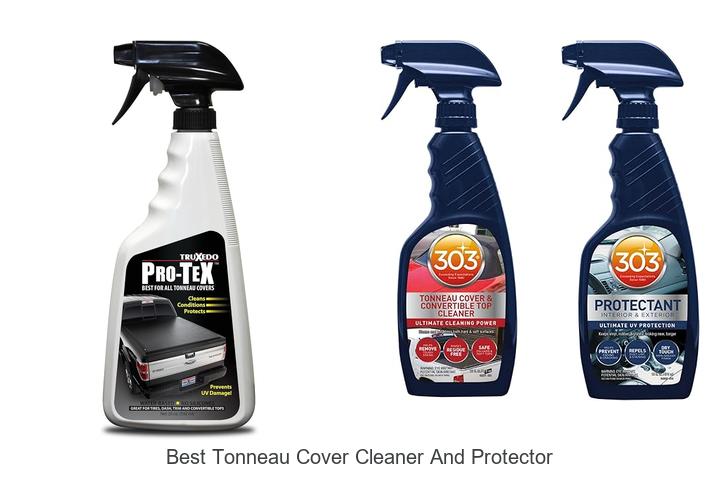
Use a protective spray designed for your cover’s material to maintain flexibility and water resistance. Additionally, avoid parking under trees where sap or falling branches might damage the cover.
Maintaining Your Tonneau Cover After Repair
Taking steps to prevent damage lays the groundwork for a long-lasting tonneau cover, but proper care after repairing a hole guarantees your cover stays strong and functional.
After fixing the hole, clean the area regularly using mild soap and water to remove dirt and debris that can wear down the material. Avoid harsh chemicals that might weaken the repair.
Keep the cover taut but not overstretched to prevent new tears. Store your truck in shaded areas or use a protective spray designed for your cover’s material to shield it from UV damage.
Inspect your repair periodically for signs of wear or loosening, and address any issues promptly.
When to Replace Your Tonneau Cover Instead of Repairing
Although small holes and tears can often be repaired, there are times when replacing your tonneau cover is the better choice.
If the damage is extensive or the material has become brittle and worn, repairs won’t restore its full protection. You should also consider replacement if multiple patches are needed, as this can weaken the cover’s integrity and appearance.
Additionally, if your cover’s frame or locking mechanisms are broken beyond repair, a new cover will provide better security and fit.
Finally, when the cost of repairs approaches or exceeds the price of a new cover, it’s more practical to invest in a replacement.
Paying attention to these factors guarantees your truck bed stays properly protected without wasting time or money on ineffective fixes.
Common Mistakes to Avoid When Repairing Your Tonneau Cover
How do you guarantee your repair lasts without causing more damage? First, don’t rush the process. Skipping surface cleaning before patching can prevent proper adhesion. Always clean and dry the area thoroughly.
Avoid using the wrong type of patch or adhesive; make certain they’re compatible with your tonneau cover material. Applying too much adhesive can create lumps and weaken the patch’s hold.
Also, don’t ignore the size of the patch—it should extend beyond the hole by at least an inch on all sides to guarantee a strong seal.
Finally, don’t repair a tear under tension without relieving it first, or the patch will peel off quickly. Avoid these mistakes, and your repair will hold up better over time.
Tips for Extending the Life of Your Tonneau Cover
To keep your tonneau cover in great shape, you need to maintain it regularly and handle it with care. Clean it with mild soap and water, avoiding harsh chemicals that can degrade the material. Always dry it thoroughly to prevent mold and mildew.
When not in use, store the cover in a cool, dry place away from direct sunlight to prevent fading and cracking. Check for any signs of wear or damage frequently and address small issues promptly before they worsen.
Avoid sharp objects and excessive force when opening or closing the cover. Finally, lubricate any moving parts or hinges to keep them functioning smoothly.
Following these tips will help you extend the life of your tonneau cover and keep it looking and working like new.
Frequently Asked Questions
Can I Use Household Glue to Fix a Hole in My Tonneau Cover?
You shouldn’t rely on household glue to fix a hole in your tonneau cover because it likely won’t create a strong, waterproof seal.
Instead, use a vinyl or fabric adhesive designed for outdoor materials, which will hold up better against weather and wear.
If you want a quick fix, patch kits made specifically for tonneau covers work best.
That way, you’ll keep your cover durable and protect your truck bed effectively.
How Long Does a Typical Tonneau Cover Repair Last?
A typical tonneau cover repair can last anywhere from several months to a few years, depending on factors like the type of patch or adhesive you use, how well you apply it, and the conditions your truck faces.
If you use high-quality materials and properly prepare the surface, your repair will hold up better.
Just remember, regular checks and avoiding harsh weather exposure can help extend the repair’s lifespan.
Are DIY Patch Kits Safe for All Weather Conditions?
About 70% of DIY patch kits hold up well in moderate weather, but not all are safe for every condition.
You’ll find most kits work great in dry or mild climates, but extreme heat or heavy rain can weaken some adhesives.
To be sure, pick a kit labeled weather-resistant or waterproof, and always follow the instructions carefully.
That way, your repair stays strong no matter what Mother Nature throws at you.
Can I Drive Immediately After Repairing the Tonneau Cover?
You shouldn’t drive immediately after repairing the tonneau cover.
Most patch adhesives or sealants need time to cure properly—usually a few hours or even overnight—to guarantee a strong, weatherproof bond.
If you hit the road too soon, you risk the patch peeling off or the hole reopening.
Check the product instructions for exact drying times, and be patient; waiting will help your repair last longer and keep your cover secure.
Will a Patched Tonneau Cover Affect My Truck’s Resale Value?
Think of your truck’s resale value like a delicate painting—small imperfections can catch a buyer’s eye.
A patched tonneau cover might lower your truck’s resale value slightly, especially if the repair is noticeable or poorly done.
However, if you fix it neatly, most buyers won’t mind much.
You’ll want to be honest about the repair and keep the cover in good condition to maintain as much value as possible.
Conclusion
Now that you know how to fix a hole in your tonneau cover, remember that “a stitch in time saves nine.” Acting quickly prevents further damage and saves you money down the road. Whether you choose adhesive tape or sewing, keep your cover clean and well-maintained to extend its life. If the damage is too severe, don’t hesitate to replace it. Taking good care of your tonneau cover guarantees your truck bed stays protected for miles to come.