How to Clean a Tonneau Cover in 10 Easy Steps
To clean your tonneau cover in 10 easy steps, start by gathering soft brushes, mild soap, and a hose. Brush off loose dirt gently, then choose a cleaner suited for your cover type—soft or hard. Clean using gentle motions, rinse thoroughly, and avoid high-pressure water. Dry it well in the shade to prevent damage, then apply a protectant for longer life. Keep up regular care to avoid issues and discover tips to handle common problems along the way.
Gather Your Cleaning Supplies
Before you begin cleaning your tonneau cover, gather the essential supplies to make the process smooth and effective.
You’ll need a soft-bristle brush or a microfiber cloth to avoid scratching the surface. Choose a mild soap or specialized tonneau cover cleaner to prevent damage and maintain the material’s integrity.
Have a bucket filled with warm water ready for rinsing. A garden hose with a gentle spray nozzle works well for rinsing off residue without causing harm.
Don’t forget a clean, dry towel or chamois to dry the cover afterward, preventing water spots. If your cover is vinyl or leather, consider a conditioner to keep it supple.
Having these supplies on hand guarantees you can clean your tonneau cover thoroughly and safely in one go.
Remove Loose Dirt and Debris
Start by removing loose dirt and debris from your tonneau cover to prevent scratching during cleaning.
Use a soft-bristled brush or a clean microfiber cloth to gently sweep away dust, leaves, and other particles. Avoid using harsh tools that might damage the surface.
If your cover is particularly dusty, you can also use a handheld vacuum with a soft brush attachment to lift off dirt without pressing it into the material. Pay close attention to the seams and edges where debris tends to accumulate.
Removing these loose particles first guarantees that when you apply cleaner later, you won’t rub grit into the cover. Taking this simple step helps maintain your cover’s finish and extends its lifespan by preventing unnecessary wear and tear.
Pick the Right Cleaner for Your Cover
Choosing the right cleaner is crucial to protect your tonneau cover’s material and finish. Start by identifying the type of cover you have—hard or vinyl, for example—as each requires different care.
Avoid harsh chemicals, bleach, or abrasive cleaners that can damage the surface or strip protective coatings. Instead, opt for mild soap solutions or cleaners specifically designed for automotive covers.
If your cover’s manufacturer recommends a particular product, stick to it to maintain warranty and longevity. Test any new cleaner on a small, hidden area first to verify it doesn’t cause discoloration or damage.
How to Clean a Soft Tonneau Cover
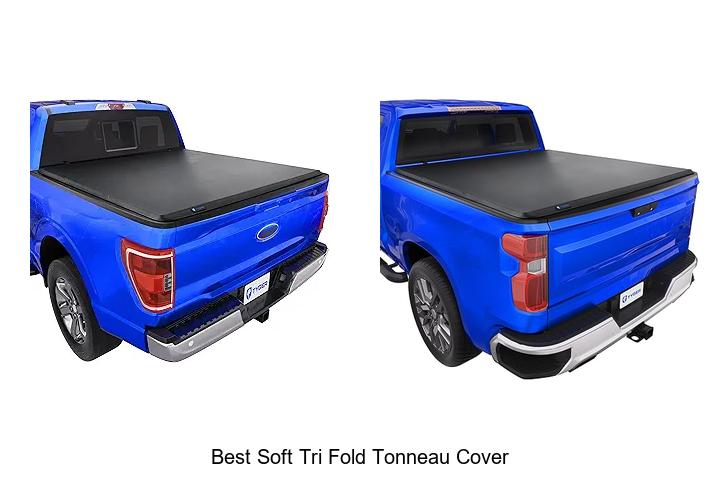
When cleaning a soft tonneau cover, you’ll want to use gentle motions and appropriate cleaning solutions to avoid damaging the fabric or vinyl material.
Start by rinsing off loose dirt with water. Mix a mild soap or a cleaner specifically designed for soft tonneau covers with water.
Using a soft cloth or sponge, gently scrub the surface in circular motions, focusing on any stains or spots. Avoid harsh brushes or abrasive pads, as they can scratch or wear down the material.
After cleaning, rinse thoroughly with water to remove all soap residue. Finally, dry the cover with a clean microfiber towel or let it air dry completely before rolling or folding it.
Regular maintenance will keep your soft tonneau cover looking fresh and extend its lifespan.
How to Clean a Hard Tonneau Cover
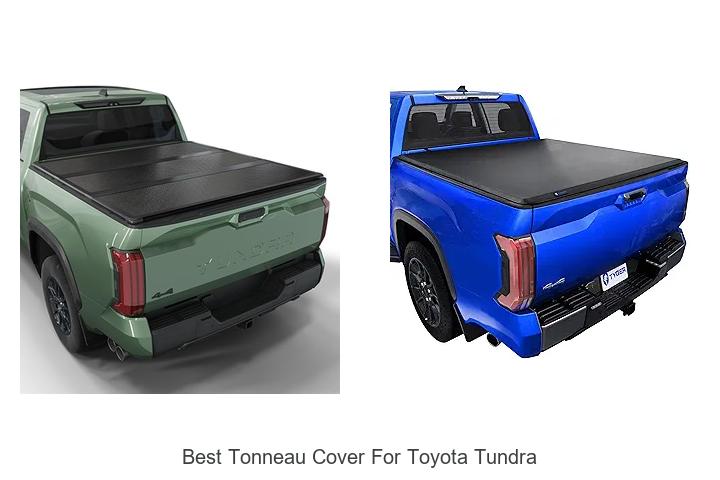
A hard tonneau cover requires a different cleaning approach than a soft one due to its rigid materials like fiberglass, aluminum, or hard plastic.
Start by removing loose dirt and debris with a soft brush or microfiber cloth. Avoid abrasive tools that could scratch the surface.
Next, mix a mild detergent with water to create a gentle cleaning solution. Use a sponge or soft cloth dipped in the solution to wipe down the cover thoroughly, focusing on any stubborn spots or stains.
Don’t use harsh chemicals or solvents, as they can damage the finish. Pay attention to seams and hinges where dirt tends to collect.
Once you’ve cleaned the entire surface, prepare for the next step to rinse your tonneau cover thoroughly.
Rinse Your Tonneau Cover Thoroughly
Start rinsing your tonneau cover promptly after washing to remove all soap residue and loosened dirt. Use a hose with moderate water pressure to avoid damaging the cover’s surface.
Begin at one end and work your way across, ensuring every inch gets rinsed thoroughly. Pay special attention to seams and crevices where soap can hide and cause buildup.
If you notice stubborn soap spots, gently scrub them again with a soft brush before rinsing once more. Avoid using high-pressure washers, as they might harm the material or its finish.
Rinsing well prevents streaks, spots, and potential damage caused by leftover cleaning agents. Taking the time to rinse your tonneau cover properly sets the foundation for a clean, well-maintained surface.
Dry Your Cleaned Tonneau Cover Properly
Because moisture can cause mildew and damage if left on your tonneau cover, drying it thoroughly is crucial.
After rinsing, start by gently shaking off excess water to prevent pooling. Then, use a clean, soft microfiber towel to blot and absorb any remaining moisture without rubbing, which could harm the material.
If possible, open the cover fully and let it air dry in a shaded, well-ventilated area to avoid sun damage and fading. Avoid direct sunlight and heat sources like blow dryers, as these can warp or crack the cover.
Make sure all folds and creases are dry to prevent mildew buildup. Taking these steps guarantees your tonneau cover stays in great shape and ready for its next use.
Apply Protectant to Keep It Looking New
Protecting your tonneau cover with a specialized protectant helps maintain its appearance and extends its lifespan.
Once your cover is completely dry, apply a protectant designed specifically for the material—whether vinyl, leather, or fabric. Use a clean microfiber cloth to evenly spread the product, avoiding over-application to prevent buildup.
This layer shields against UV rays, prevents cracking, and repels dirt and water. Make sure to follow the manufacturer’s instructions for best results.
Applying protectant regularly, especially after cleaning, keeps your cover looking vibrant and functioning well.
Avoid using household oils or waxes, as they can cause damage or attract dust.
With proper care, your tonneau cover will stay fresh and durable, maintaining both its look and protective qualities.
Maintain Your Tonneau Cover Regularly
Applying protectant is a key step, but maintaining your tonneau cover regularly guarantees it stays in top shape over time.
You should inspect your cover every few weeks for dirt, debris, or signs of wear. Remove any leaves, dust, or bird droppings promptly to prevent damage. Make sure the cover’s seals and fasteners remain secure and functional.
Lubricate hinges or locks if your cover has them, using a suitable lubricant to avoid rust and stiffness.
After cleaning and applying protectant, store your cover properly when not in use, preferably in a cool, dry place.
Regular maintenance not only preserves the appearance but also extends the cover’s lifespan, saving you money and effort in the long run.
Stay consistent, and your cover will serve you well.
Fix Common Tonneau Cover Cleaning Problems
When you clean your tonneau cover, you might encounter common problems like stubborn stains, water spots, or mildew buildup.
To tackle stains, use a mild detergent mixed with warm water and gently scrub with a soft brush. Avoid harsh chemicals that can damage the cover’s material.
For water spots, wipe the cover dry immediately after washing to prevent mineral deposits.
If mildew appears, apply a solution of equal parts water and white vinegar, let it sit for 10 minutes, then rinse thoroughly.
Always test any cleaning solution on a small, hidden area first to verify it won’t harm the cover.
Frequently Asked Questions
Can I Clean a Tonneau Cover in Freezing Temperatures?
You shouldn’t clean a tonneau cover in freezing temperatures because water and cleaning products can freeze, making it harder to clean and potentially damaging the material.
Instead, wait for a warmer day above freezing to avoid cracking or stiffening the cover.
If you must clean it in cold weather, use a mild cleaner and a soft cloth, but avoid soaking it or using harsh chemicals that could worsen the effects of freezing conditions.
How Often Should I Replace My Tonneau Cover?
You should replace your tonneau cover every 3 to 5 years, depending on its condition and usage.
If you notice cracks, fading, or tears that affect its function or appearance, it’s time to get a new one.
Regular maintenance can extend its life, but exposure to harsh weather or heavy use means you might need to replace it sooner.
Keep an eye on wear and tear to decide when replacement’s necessary.
Are There Specific Cleaners to Avoid on Tonneau Covers?
You should avoid using harsh chemicals like bleach or ammonia on your tonneau cover since they can damage the material.
Curiously, 60% of tonneau cover wear comes from improper cleaning agents.
Stick to mild soap and water or cleaners specifically designed for vinyl or fabric covers.
These gentle options help maintain flexibility and UV resistance, extending your cover’s life and keeping it looking great without risking discoloration or cracking.
Can a Tonneau Cover Improve Fuel Efficiency?
Yes, a tonneau cover can improve your fuel efficiency by reducing aerodynamic drag.
When you cover your truck bed, air flows more smoothly over the vehicle, cutting down on wind resistance. This means your engine doesn’t have to work as hard, which can save you gas, especially on highways.
Just make sure your cover fits well and is properly secured to get the best fuel-saving benefits.
Is It Safe to Pressure Wash a Tonneau Cover?
Pressure washing a tonneau cover isn’t the safest bet.
Think of it like using a fire hose to water delicate flowers—it might seem efficient, but it risks damage. Pressure can strip protective coatings or cause tears, especially on soft covers.
Instead, stick to gentle cleaning with a hose, mild soap, and a soft brush. This way, you keep your cover intact and looking great without unnecessary wear.
Conclusion
By following these simple steps, you’ll keep your tonneau cover looking fresh and ready to protect your truck like a trusty shield. Regular cleaning and maintenance not only extend its life but also keep dirt and grime from sticking around like unwanted guests. So, roll up your sleeves, treat your cover right, and enjoy a cleaner, sleeker ride every time you hit the road. Your truck deserves nothing less!