Which Tonneau Covers Are Waterproof?
If you want a waterproof tonneau cover, hard folding and retractable covers are your best bets—they use rigid panels and tight seals to keep water out even in heavy rain. Soft roll-up covers may resist light moisture but often let in water during storms. Seals, gaskets, and proper installation also make a big difference. To make sure your truck bed stays dry no matter the weather, keep exploring which types and features offer the best protection.
What Does “Waterproof” Really Mean for Tonneau Covers?
Although many tonneau covers claim to be waterproof, it’s important to understand what that actually means for your truck bed. Waterproof doesn’t always guarantee that no water will ever get in. Instead, it means the cover is designed to resist water penetration under normal conditions like rain or light splashes.
You should expect some level of water resistance but not complete imperviousness during heavy storms or pressure washing. The seals, materials, and fit all play significant roles in how well water is kept out.
When choosing a waterproof tonneau cover, you want one that effectively channels water away and prevents pooling. Keep in mind, the goal is to protect your cargo from moisture, not to turn your truck bed into a sealed, dry box.
Comparing Water Resistance Across Tonneau Cover Types
Different tonneau cover types offer varying levels of water resistance, which can impact how well your truck bed stays dry.
Hard folding and hard tri-fold covers generally provide the best water resistance because they seal tightly and use durable materials that keep water out effectively.
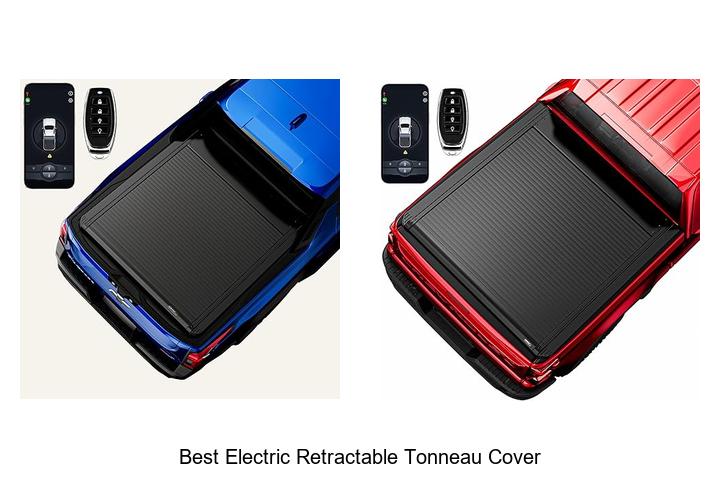
Retractable covers also offer strong protection, often featuring weather seals that block moisture.
On the other hand, soft roll-up covers typically resist water but may allow some seepage during heavy rain due to their flexible materials and less rigid seals.
Snap-on covers offer moderate water resistance but can vary widely depending on the brand and design.
When choosing a cover, consider how frequently you encounter wet conditions and how critical it’s to keep your cargo completely dry.
Why Soft Roll-Up Tonneau Covers Aren’t Fully Waterproof
Because soft roll-up tonneau covers rely on flexible materials and simple fastening systems, they can’t create a completely watertight seal.
When you roll them up or down, slight gaps may form along the edges or seams. Water can seep through these small openings, especially during heavy rain or when driving through puddles.
Additionally, the vinyl or fabric materials used tend to repel water but aren’t fully impermeable, so moisture can sometimes penetrate if it sits long enough.
You’ll also notice that wind and vibrations while driving might loosen the cover slightly, increasing the chance of water intrusion.
While soft roll-up covers offer good protection against light rain and dust, you shouldn’t expect them to keep your truck bed perfectly dry in all conditions.
How Hard Folding Covers Keep Water Out
When you choose a hard folding tonneau cover, you get a design that locks out water more effectively than soft covers.
These covers use rigid panels made from materials like aluminum or fiberglass, sealed tightly with weather-resistant gaskets. When you close the cover, the panels fold together snugly, creating strong barriers that prevent water from seeping through.
The overlapping seams and secure latches guarantee the cover stays firmly in place, even during heavy rain or car washes. Plus, the hard surface helps water bead off instead of pooling, reducing the chance of leaks.
You’ll appreciate how this sturdy, well-engineered system keeps your truck bed dry without the worry of water damage, making hard folding covers a reliable choice for waterproof protection.
Are Retractable Covers Truly Waterproof and Leak-Proof?
While hard folding covers offer solid protection against water, you might wonder if retractable covers provide the same level of waterproofing and leak resistance.
Retractable covers generally feature durable materials like aluminum or heavy-duty vinyl that resist water well. Their tight seals and overlapping panels help keep rain out, but they may not be completely leak-proof under heavy or prolonged downpours.
You should regularly check the seals and rails for debris or damage, since any gaps can let water in. Proper installation is essential; a poorly installed retractable cover won’t offer full waterproof protection.
The Waterproof Advantages of Solid Hard Shell Covers
If you want the highest level of waterproof protection for your truck bed, solid hard shell covers deliver unmatched reliability.
These covers are typically made from durable materials like fiberglass or aluminum, creating a rigid barrier that keeps water out no matter the weather. You won’t have to worry about rain pooling or seeping through seams, as the hard shell design fits snugly and often includes weather-resistant seals.
Additionally, their solid construction resists dents and punctures, maintaining waterproof integrity over time. Installing a hard shell cover means you can confidently leave your truck bed exposed to heavy rain or snow, knowing your cargo stays dry and secure.
If waterproofing is your top priority, these covers are a smart, long-lasting choice.
Which Materials Keep Your Tonneau Cover Dry?
Although choosing the right tonneau cover design matters, the materials used play an essential role in keeping your truck bed dry. You’ll want to look for covers made from waterproof or water-resistant materials like aluminum, fiberglass, or high-quality ABS plastic.
These materials naturally repel water, preventing leaks even in heavy rain. Additionally, some soft covers use marine-grade vinyl or heavy-duty PVC with a tight weave and waterproof coatings to keep moisture out.
You should also check if the seams are sealed or welded, as this stops water from seeping through stitching. Avoid materials that absorb water or degrade quickly, since they compromise protection.
Why Vinyl Covers Often Struggle With Waterproofing
You might think vinyl covers are a reliable choice since they’re common and affordable, but they often fall short when it comes to waterproofing.
Vinyl is prone to tiny pinholes and seams that can let water seep through, especially after exposure to harsh weather or prolonged use. Over time, the material can crack or warp, compromising its ability to repel water effectively.
Additionally, vinyl covers rely heavily on stitching, which may not be fully sealed, creating vulnerable points for leaks.
If you don’t maintain the cover properly — like cleaning and conditioning the vinyl — it can become stiff and more susceptible to damage.
How Aluminum and Fiberglass Covers Block Water Effectively
When you choose aluminum or fiberglass covers, you get materials that naturally resist water infiltration.
Aluminum’s solid, non-porous surface prevents water from seeping through, while its lightweight strength guarantees durability without adding unnecessary bulk.
Fiberglass covers, on the other hand, feature a rigid, molded design that creates a tight barrier against rain and snow.
Both materials shed water effectively thanks to their smooth finishes, which encourage runoff rather than absorption.
You’ll also notice that these covers hold up well against harsh weather, maintaining their waterproof properties over time.
By opting for aluminum or fiberglass, you avoid common issues like warping or stretching, which can compromise waterproofing in other materials.
This makes them a reliable choice for keeping your truck bed dry.
Seals and Gaskets: Key to Waterproof Tonneau Covers
Because even the best materials can’t block water alone, seals and gaskets play an essential role in keeping your tonneau cover waterproof.
These components create tight barriers where different parts of the cover meet, preventing water from seeping through gaps. When you choose a cover, look for high-quality rubber or silicone seals that resist wear and maintain flexibility over time.
Properly designed gaskets conform snugly to your truck bed’s edges, ensuring no space lets water sneak in. Without effective seals, rain and moisture can easily penetrate, damaging your cargo.
Regularly inspect and clean these seals to keep them in top condition. By focusing on seals and gaskets, you make sure your tonneau cover offers reliable, long-lasting protection against water intrusion.
How Drainage Systems Improve Water Protection
Seals and gaskets do a great job blocking water from entering your truck bed, but some moisture can still find its way in. That’s where drainage systems come in.
They work by channeling water away from vulnerable areas, preventing it from pooling inside your truck bed. When you choose a tonneau cover with an integrated drainage system, it actively directs rainwater to the edges or specific drainage points.
This reduces the chance of leaks and keeps your cargo dry. You’ll notice less standing water, which also helps prevent rust and mildew.
Waterproof Ratings and Guarantees of Top Tonneau Cover Brands
Although waterproof performance varies, top tonneau cover brands back their products with clear ratings and guarantees to provide you confidence.
When you shop, look for covers rated with industry-standard waterproof measures like IPX or specific water resistance tests. Brands such as Extang and Retrax often provide detailed specs on how their covers handle heavy rain or standing water.
Many also offer warranties that cover water damage for several years, showing they trust their product’s durability. These guarantees mean if your cover leaks under normal conditions, you can get a repair or replacement.
By choosing a brand with strong waterproof ratings and solid guarantees, you’re protecting your truck bed and investment effectively.
Check each manufacturer’s claims carefully to confirm you get the protection you need.
How Rain, Snow, and Sun Affect Tonneau Cover Performance
Understanding waterproof ratings and guarantees gives you a solid foundation for choosing a reliable tonneau cover, but real-world weather conditions bring additional challenges.
Rain can test your cover’s seams and material, so you’ll want one with sealed edges and strong water-resistant fabric.
Snow adds weight and moisture; if your cover can’t handle this, it might sag or let water pool, increasing leak risks.
The sun’s UV rays can degrade materials over time, causing cracks or fading, which weakens waterproofing.
To keep your cover performing well, pick one made from UV-resistant and durable materials designed to withstand varying weather.
Installation Tips to Maximize Your Cover’s Waterproofing
When you install your tonneau cover correctly, you’ll greatly improve its waterproof performance.
Start by thoroughly cleaning the truck bed rails and surrounding areas to guarantee a secure, watertight seal. Align the cover precisely according to the manufacturer’s instructions—misalignment can cause gaps where water seeps in.
Tighten clamps or fasteners evenly without overdoing it to avoid warping the cover or creating uneven pressure points. Make sure any seals or gaskets are properly seated and free from debris.
Check that the cover lies flat without sagging, as pooling water can increase leakage risk. Finally, test your installation by gently spraying water over the cover’s edges to confirm no leaks appear.
Following these steps helps you maximize your tonneau cover’s waterproof capabilities right from the start.
Maintaining and Repairing Waterproof Features on Tonneau Covers
To keep your tonneau cover reliably waterproof, you need to perform regular maintenance and address any damage promptly.
Start by cleaning the cover with mild soap and water, avoiding harsh chemicals that can degrade waterproof coatings. Check seals and edges for cracks or wear; replace or repair damaged seals immediately to prevent leaks.
Lubricate moving parts like hinges or latches with silicone spray to maintain smooth operation and prevent moisture buildup. If you spot tears or punctures, use a repair kit designed for your cover’s material to patch them effectively.
Regular inspection after heavy weather or extended use helps you catch issues early. By staying proactive, you guarantee your tonneau cover continues to protect your truck bed from water infiltration.
Choosing the Best Waterproof Tonneau Cover for Your Truck
Although there are many waterproof tonneau covers on the market, choosing the right one for your truck depends on factors like material durability, ease of installation, and how well it seals against water.
You’ll want to look for covers made from high-quality materials such as vinyl, aluminum, or fiberglass, which resist wear and tear.
Consider how quickly you need to install or remove the cover—some snap on easily, while others require tools.
Pay close attention to the sealing mechanism; a tight seal with weather-resistant gaskets or overlapping edges keeps water out more effectively.
Also, think about your typical driving conditions and storage needs.
Frequently Asked Questions
Can Tonneau Covers Improve My Truck’s Fuel Efficiency?
Yes, tonneau covers can improve your truck’s fuel efficiency by reducing aerodynamic drag.
When you cover your truck bed, air flows more smoothly over the vehicle, which lowers wind resistance. This means your engine doesn’t have to work as hard, helping you save fuel.
Soft or hard covers both help, but hard, smooth covers usually offer the best improvement.
Just make sure the cover fits well to maximize efficiency gains.
Are Tonneau Covers Compatible With Truck Bed Liners?
Yes, tonneau covers are generally compatible with truck bed liners.
When you install a tonneau cover, you’ll want to make certain it fits properly over your bed liner without causing damage or gaps.
Some covers are designed to work seamlessly with liners, whether drop-in or spray-on types.
Just double-check the measurements and installation instructions to guarantee your cover seals well and keeps your cargo protected while working with your existing liner.
How Do Tonneau Covers Affect Truck Bed Security?
Tonneau covers turn your truck bed into Fort Knox on wheels! They drastically boost security by hiding your cargo from prying eyes and deterring thieves with sturdy locking mechanisms.
While no cover is completely thief-proof, you’ll sleep better knowing your gear isn’t an open invitation. You’ll also prevent stuff from flying out while driving.
Can I Install a Tonneau Cover Myself Without Professional Help?
Yes, you can install a tonneau cover yourself without professional help.
Most tonneau covers come with detailed instructions and require basic tools like a screwdriver or wrench. Soft roll-up and snap-on covers are especially easy for beginners.
Just take your time, follow the steps carefully, and double-check the fit. If you run into trouble, plenty of online tutorials and videos can guide you through the process.
Do Tonneau Covers Come With a Warranty for Damage Protection?
About 85% of tonneau covers come with some form of warranty for damage protection.
Yes, you’ll usually find warranties covering defects in materials or workmanship, often lasting from one to five years. This means you can feel more confident about your investment.
Just be sure to check the specific terms, as coverage varies by brand and type. Reading the warranty details helps you know exactly what’s protected and what’s not.
Conclusion
Now that you know waterproof doesn’t always mean leak-proof, you can choose smarter. Soft roll-up covers might keep light rain out, but hard folding and retractable covers excel at sealing your truck bed from heavy storms. Remember, proper installation and regular maintenance are key to maximizing protection. So, don’t just settle for “water-resistant”—go for a cover that truly defends your gear against the elements, no matter the weather.