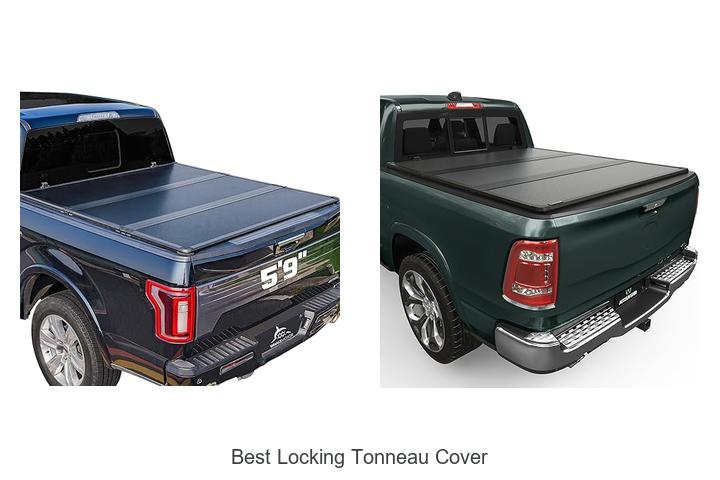
How to Tighten a Tonneau Cover in 3 Easy Steps
To tighten your tonneau cover, first clean the cover and truck bed rails to remove debris and loosen any clamps or straps. Next, pull the cover taut and evenly tighten the tension straps, clamps, or turnbuckles to eliminate sagging or wrinkles. Finally, check hinges or latches on hard covers and tighten any loose bolts for a secure fit. Keep following steps to discover helpful tips for maintaining and adjusting your tonneau cover perfectly.
How to Tighten Soft and Hard Tonneau Covers
Whether you have a soft or hard tonneau cover, tightening it properly guarantees a secure fit and prevents water or debris from getting in.
For soft covers, start by pulling the cover taut and adjusting the tension straps or clamps along the sides. Make certain the fabric is smooth without wrinkles, tightening straps evenly to avoid sagging.
For hard covers, check the hinges and latches first. Tighten any loose bolts with a wrench, then close the cover firmly to confirm the seals press evenly against the truck bed.
If your hard cover has adjustable clamps or screws, tweak them carefully to eliminate gaps.
Regularly checking and adjusting both types keeps your cover secure, protects your cargo, and prolongs the cover’s lifespan.
Prepare Your Tonneau Cover for Tightening
After ensuring your soft or hard tonneau cover is properly adjusted, the next step is preparing it for tightening.
Begin by cleaning the cover and the truck bed rails to remove dirt and debris that might interfere with a secure fit. Check for any damage, such as tears or worn-out fasteners, and replace them if necessary.
For soft covers, loosen all clamps or Velcro straps to relieve tension before tightening. For hard covers, make sure all hinges and latches move freely, lubricating them if needed.
Position the cover evenly over the bed, ensuring it aligns with the edges. This preparation helps achieve an even, firm fit when you start tightening, preventing future sagging or gaps.
Taking these steps will make the tightening process smoother and more effective.
Quick Fixes for Loose or Sagging Tonneau Covers
Two simple adjustments can often fix a loose or sagging tonneau cover quickly.
First, check the tension straps or turnbuckles along the edges. Tighten them evenly to pull the cover taut without over-stressing the material.
Second, inspect the cover’s snaps or clamps. If any are loose or damaged, replace or reposition them to secure the cover firmly.
You can also use a heat gun on vinyl covers to shrink the material slightly, but do this cautiously to avoid damage.
If your cover sags despite these fixes, make sure the frame is properly aligned and free from debris.
These quick steps will restore a smooth, secure fit and protect your truck bed from weather and dirt.
Frequently Asked Questions
What Materials Are Tonneau Covers Typically Made From?
Tonneau covers are typically made from materials like vinyl, canvas, aluminum, or fiberglass.
If you want something lightweight and flexible, vinyl or canvas works great.
For more durability and a sleek look, aluminum or fiberglass is your best bet.
These materials provide weather resistance and protect your truck bed, so you can choose based on your needs and style preferences.
Just pick what suits your lifestyle and truck the best.
Can Tonneau Covers Improve Truck Fuel Efficiency?
Yes, tonneau covers can improve your truck’s fuel efficiency by reducing aerodynamic drag.
When your truck bed is open, air creates turbulence, which increases drag and lowers mileage. By installing a tonneau cover, you streamline airflow over the bed, cutting down wind resistance.
This means your engine doesn’t work as hard, helping you save on fuel costs over time. Just make sure the cover fits snugly to maximize these benefits.
How Long Do Tonneau Covers Usually Last?
A tonneau cover’s lifespan is like a trusty compass—it usually guides you for about 5 to 10 years, depending on how well you care for it.
If you keep it clean, tighten it regularly, and protect it from harsh weather, it’ll stay strong and reliable.
Neglect it, and its durability fades fast.
You’ll want to check for wear and replace it when it starts sagging or cracking to keep your truck looking sharp.
Are Tonneau Covers Waterproof?
Yes, most tonneau covers are waterproof or at least water-resistant, designed to keep rain and moisture out of your truck bed.
However, the level of waterproofing depends on the material and design. Vinyl and hard covers usually offer great protection, while some soft covers might let in water during heavy storms.
You should check your specific cover’s details and verify it’s properly sealed and tightened to keep your cargo dry.
Can I Install a Tonneau Cover Myself or Need Professional Help?
Did you know that over 70% of truck owners successfully install their tonneau covers themselves?
You can definitely install a tonneau cover on your own, especially if you follow the instructions carefully. Most covers come with all the necessary hardware and straightforward steps.
However, if you’re not comfortable with tools or want a perfect fit without hassle, professional help is a smart choice.
It’s up to your confidence and preference!
Conclusion
Now that you’ve tackled tightening your tonneau cover, take pride in your perfect, pulled-tight finish. Whether soft or stiff, simple steps secure your cover snugly, stopping sagging and saving stress. Remember, regular routine repairs keep your cover crisp and clean, protecting your pickup’s precious cargo. So, stay sharp, stay savvy, and show off that sleek, smooth surface. With a little care, your tonneau cover will stay taut and trustworthy for every trip!