How You Drive Safely With Your Tonneau Cover up
To drive safely with your tonneau cover up, first secure it firmly by aligning and locking all latches properly, checking for clicks and tight fits. Inspect seals and hinges for wear or damage before hitting the road, and avoid sudden maneuvers like sharp turns or hard braking to prevent strain on attachments. Keep your cargo balanced and within weight limits to protect the cover’s integrity. Following these basic steps can help you maintain safety and cover durability as you protect your load.
Why Driving Safely With a Tonneau Cover Matters
Although a tonneau cover can protect your truck bed and belongings, driving safely with it matters because it directly affects your vehicle’s performance and your safety on the road.
If you don’t secure it properly or drive recklessly, the cover might flap, lift, or even detach, creating hazards for you and other drivers. A loose cover can cause wind resistance, reducing fuel efficiency and stability, especially at higher speeds.
You’ll want to avoid sudden maneuvers or harsh braking that could strain the cover’s attachments. Also, a securely fastened cover keeps your cargo safe from weather and theft, so driving cautiously helps maintain its integrity.
How to Check Your Tonneau Cover Fits Securely
A snug tonneau cover is key to keeping your cargo protected and your drive safe. Start by aligning the cover evenly along the truck bed rails.
Check that the rails themselves are clean and free of debris, which can prevent a tight seal. Once positioned, press down firmly along the cover’s edges to guarantee it locks into place.
Listen for clicks or snaps indicating secure attachment. Next, give the cover a gentle tug at several points—if it shifts or lifts easily, adjust the clamps or fasteners.
Finally, verify that any latches, snaps, or Velcro straps are fully engaged. Taking these steps guarantees your tonneau cover won’t flap or come loose, helping you drive confidently with peace of mind.
How to Inspect Your Tonneau Cover Before Driving
Before hitting the road, you should inspect your tonneau cover to assure it’s secure and undamaged.
Start by visually examining the cover for any tears, holes, or signs of wear that could let in water or debris. Run your hand over the surface to feel for any weak spots or rough patches.
Next, check all attachment points to confirm the cover is firmly fastened; loose clamps or snaps can cause flapping or detachment while driving. Inspect the edges to ensure they lie flat against your truck bed without gaps.
Finally, give the cover a gentle tug in several spots to test its stability. Taking these steps helps prevent unexpected damage and keeps your cargo protected during your drive.
How to Properly Lock Your Tonneau Cover
Once you’ve confirmed your tonneau cover is secure and free from damage, locking it properly adds an extra layer of protection for your cargo.
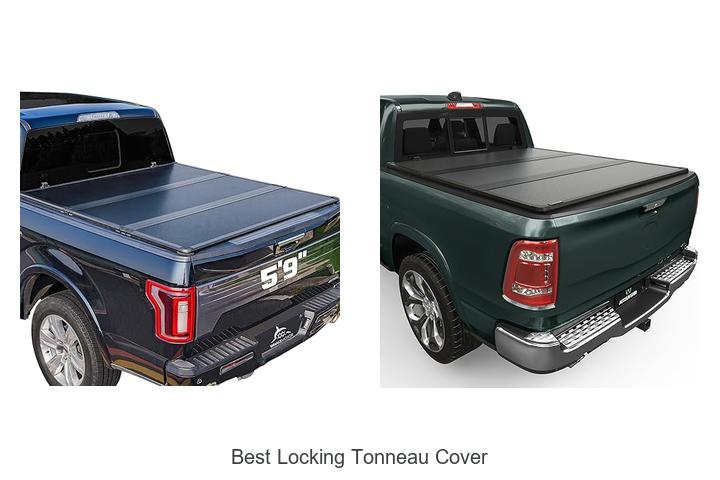
Start by aligning the cover evenly across the truck bed, ensuring the locking mechanisms line up with their corresponding latches. Engage the locks by pressing or turning them firmly until you hear a click or feel resistance, signaling they’re fully engaged.
If your cover uses keys, insert and turn the key, then remove it to prevent unauthorized access. Double-check each lock by gently tugging on the cover to confirm it’s secure.
Avoid forcing the locks, as this can cause damage. Properly locking your tonneau cover keeps your belongings safe and prevents the cover from lifting or flapping during transit.
How to Spot and Handle Wear on Your Tonneau Cover
Regularly inspecting your tonneau cover for signs of wear helps you catch issues early and extend its lifespan.
Look closely for cracks, tears, or fading, especially around edges and seams where stress is highest. Check the locking mechanisms and hinges for rust or stiffness that could hinder secure closure.
If you spot minor cracks or small tears, apply a vinyl or fabric repair kit promptly to prevent them from worsening. Lubricate metal parts with a silicone-based spray to keep them functioning smoothly.
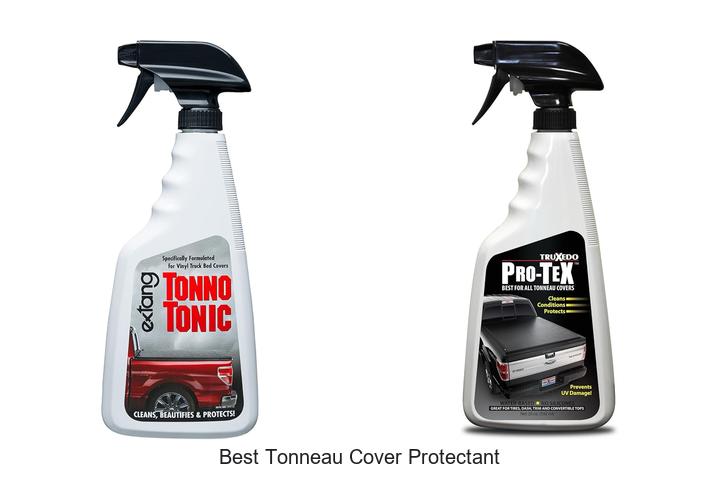
For stubborn stains or dirt, use mild soap and water instead of harsh chemicals that can degrade material.
Addressing wear quickly guarantees your cover stays reliable and safe, protecting your truck bed and cargo without compromising your driving experience.
Why You Should Remove Your Tonneau Cover for Better Visibility
How does a tonneau cover impact your visibility while driving? Although it protects your truck bed, the cover can limit your rearward view, especially if it’s a solid or hard type.
This reduced visibility might make it harder to spot vehicles, pedestrians, or obstacles behind you. Removing the tonneau cover before driving can restore your full line of sight, helping you make safer lane changes and backing maneuvers.
If you rely heavily on your rearview mirror, consider removing the cover to avoid blind spots. Keep in mind, removing the cover is especially important in tight spaces or busy traffic.
Prioritizing clear visibility guarantees you stay aware of your surroundings, reducing the risk of accidents and making your drives safer overall.
How Driving Speed Affects Tonneau Cover Safety
Although a tonneau cover provides protection and improves aerodynamics, driving speed plays a crucial role in its safety. When you drive too fast, wind pressure can cause the cover to flap or even lift, risking damage or loss.
At moderate speeds, the cover stays secure, reducing drag and protecting your cargo effectively. You should adjust your speed to match road conditions and the type of tonneau cover you have.
Hard folding or rigid covers handle higher speeds better than soft, roll-up types. Also, sudden acceleration or deceleration at high speeds increases strain on the cover’s latches and hinges.
Driving Maneuvers to Avoid With Your Tonneau Cover Up
When you have your tonneau cover up, you should avoid sharp turns and sudden lane changes that can strain the cover’s latches and hinges. Abrupt maneuvers increase the risk of wind catching under the cover, potentially causing damage or even detachment.
Also, steer clear of aggressive acceleration or hard braking, as these actions can shift the load underneath the cover, stressing its frame. Avoid driving over rough terrain or potholes at high speeds, which can jar the cover and lead to premature wear.
Instead, aim for smooth, controlled movements that maintain stability. By steering clear of these maneuvers, you protect your tonneau cover’s integrity and guarantee it stays secure on your truck bed.
What to Do If You Need to Stop Suddenly With Your Cover On
If you need to stop suddenly with your tonneau cover on, stay calm and brake steadily to maintain control.
Avoid slamming the brakes abruptly, as this could cause skidding or loss of traction. Keep both hands firmly on the wheel and focus on steering smoothly.
Your cover adds a slight change in weight distribution, so being gentle with inputs helps prevent instability. Check your mirrors quickly to verify other drivers have space to react.
If the road is clear, apply gradual pressure to the brakes to bring your vehicle to a safe stop. Once stopped, assess your surroundings before proceeding.
Practicing controlled stops with the cover on can boost your confidence and improve your reaction time in emergencies.
How Weather Conditions Affect Driving With a Tonneau Cover
Since weather conditions can change quickly, you’ll want to understand how they affect driving with a tonneau cover.
Rain, snow, and strong winds can impact your vehicle’s stability and visibility. A wet cover may become slippery or heavier, so check it regularly to verify it’s secure.
Snow buildup can add weight and strain the cover, so clear it off promptly. Strong winds might cause flapping or lift if the cover isn’t tightly fastened, potentially distracting you or other drivers.
In fog or heavy rain, keep your speed moderate and maintain extra distance, as the cover can slightly alter aerodynamics.
Understanding Weight Limits for Safe Tonneau Cover Use
Although tonneau covers add convenience and protection, you shouldn’t overload them beyond their weight limits. Each cover is designed to handle a specific amount of weight, usually indicated in the product manual or on the manufacturer’s label.
Ignoring these limits can cause damage to the cover, affect your vehicle’s aerodynamics, and compromise safety while driving. Even if the cover looks sturdy, excessive weight can lead to sagging or tearing, increasing wind resistance and fuel consumption.
To stay safe, always check the weight capacity before placing anything on the cover. Remember, tonneau covers are built mainly to protect your cargo from weather and theft, not to carry heavy loads.
Stick to the recommended limits to maintain the cover’s integrity and guarantee safe driving.
How to Load Your Truck Bed With Your Tonneau Cover Up
When you load your truck bed with the tonneau cover up, you need to be mindful of how you place your items to avoid damaging the cover or compromising safety.
Start by placing lighter, flat items first, ensuring they sit evenly across the bed. Avoid stacking heavy or sharp objects directly on the cover to prevent punctures or dents.
Distribute weight evenly to maintain balance and prevent shifting during transit. If your items are too tall to fit under the cover, consider partially opening it to accommodate the load safely.
Always double-check that the cover closes securely without forcing it. By loading thoughtfully, you protect your tonneau cover and keep your cargo stable, ensuring a safer drive every time.
How to Secure Cargo Without Damaging Your Tonneau Cover
Properly loading your truck bed is just the first step; securing your cargo without harming your tonneau cover is equally important.
To avoid scratches or tears, place soft padding between sharp edges and the cover. Use cargo straps with smooth edges or protective covers to prevent abrasion. Avoid dragging heavy items directly onto the cover; lift and set them gently instead.
Distribute weight evenly to prevent undue pressure on the cover’s surface. When securing items, tighten straps enough to hold the load firmly but not so tight that they indent or stretch the cover.
Check frequently during your trip to ascertain nothing shifts or damages the cover. Taking these precautions helps maintain your tonneau cover’s integrity while keeping your cargo safe.
When and How to Use Additional Tie-Downs With Your Tonneau Cover
Why should you consider using additional tie-downs with your tonneau cover? When hauling heavier or irregularly shaped cargo, extra tie-downs guarantee your load stays secure without stressing the cover.
They prevent shifting that can cause damage or safety hazards while driving.
To use additional tie-downs effectively, attach them to your truck’s built-in anchor points or bed rails, avoiding direct attachment to the cover.
Use straps or bungee cords rated for your cargo’s weight.
Tighten them firmly but not excessively to protect your cover’s material.
Regularly check tension during stops, adjusting as needed.
How to Prevent Water and Debris Buildup Under Your Cover
Since moisture and debris can accumulate under your tonneau cover, taking steps to prevent buildup is essential for maintaining your truck bed’s condition.
First, verify your cover seals properly by checking the weatherstripping and gaskets regularly for cracks or gaps. You should also park your truck in a shaded area or use a truck bed liner to reduce moisture retention.
When loading, avoid placing loose items that can trap dirt or leave residue under the cover. Additionally, open your tonneau cover occasionally on dry days to let trapped moisture evaporate and inspect for any debris.
Using a drip rail or water channel system, if available, helps direct rainwater away from the bed.
These preventive measures keep your truck bed dry, clean, and ready for use without damage or unpleasant odors.
Why Regular Cleaning Extends Your Tonneau Cover’s Life
Even if your tonneau cover looks clean, dirt and grime can silently degrade its materials over time.
Regular cleaning removes abrasive particles that cause wear and tear, helping your cover maintain its strength and flexibility. You’ll prevent mold and mildew buildup, which can weaken fabric and create unpleasant odors.
Cleaning also keeps seals and surfaces free of debris, ensuring a tight fit that protects your truck bed from water damage. By washing your cover with mild soap and water every few weeks, you stop contaminants from embedding into the material.
Taking these simple steps not only preserves your cover’s appearance but also extends its lifespan, saving you money on replacements and keeping your cargo safe on every drive.
How to Inspect Seals and Hinges for Safe Driving
Before hitting the road, you should carefully inspect the seals and hinges of your tonneau cover to guarantee everything functions properly.
Start by checking the seals for cracks, gaps, or wear that could let water or debris in. Press along the edges to confirm they’re flexible and intact.
Next, examine the hinges for rust, dirt buildup, or loose screws. Tighten any loose hardware and clean away grime to keep the hinges moving smoothly.
Open and close the cover a few times, listening for unusual sounds or resistance. If anything feels stiff or looks damaged, address it before driving to prevent unexpected failures.
Regular inspections help maintain your cover’s security and protect your cargo while driving safely.
How to Check Your Tonneau Cover After Long Trips
After a long trip, you’ll want to thoroughly check your tonneau cover to verify it’s still secure and in good condition.
Start by inspecting the latches and locks to ascertain they’re fully engaged and haven’t loosened during travel.
Next, examine the cover surface for any tears, scratches, or debris that might’ve accumulated.
Don’t forget to check the edges and seams for any signs of wear or gaps that could let water or dirt in.
Test the hinges or rolling mechanisms to confirm they operate smoothly without resistance.
Finally, wipe down the cover to remove dust and grime, which helps maintain its integrity.
Performing these checks after every long trip keeps your tonneau cover reliable and your cargo protected.
Signs Your Tonneau Cover Needs Replacement
Recognizing the signs that your tonneau cover needs replacement helps you avoid damage to your cargo and maintain your truck’s appearance.
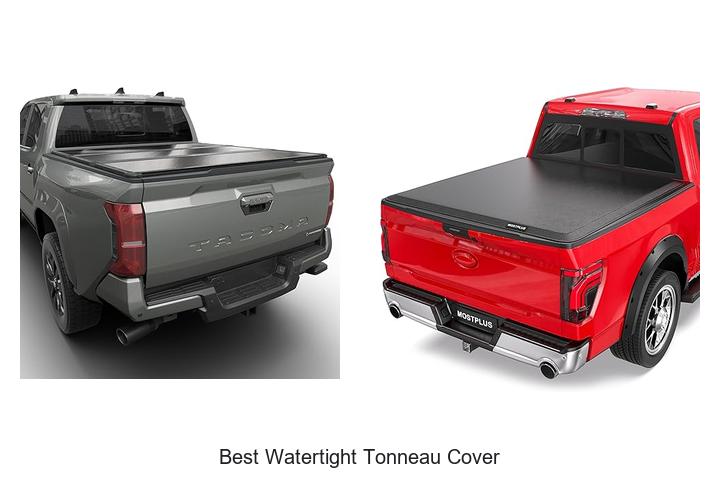
If you notice cracks, tears, or significant fading, it’s a clear indicator your cover isn’t protecting your truck bed effectively anymore. Loose or broken latches that don’t secure properly also suggest it’s time for a new cover.
Water pooling or leaks inside the truck bed after rain show the seal has worn out. Additionally, if your cover sags or fails to stay taut, it compromises both security and aerodynamics.
Don’t ignore persistent rattling sounds while driving—that noise often means the cover’s fit has deteriorated.
Replacing your tonneau cover promptly keeps your gear safe and guarantees your truck looks sharp on the road.
How to Drive Safely Off-Road With Your Tonneau Cover Up
Maintaining your tonneau cover’s condition guarantees it stays secure during all types of driving, including off-road adventures.
When heading off-road with your cover up, start by checking its latches and seals to prevent dust and debris from getting inside. Secure the cover tightly to avoid flapping or damage from rough terrain.
Drive slower over uneven ground to reduce stress on the cover and truck bed. Avoid sudden sharp turns or aggressive maneuvers that could loosen or tear the cover.
If your cover is soft, consider partially rolling it back or removing it on extremely rugged trails to prevent damage.
Regularly inspect your cover after off-road trips, cleaning off dirt and checking for wear. These steps help protect both your cover and cargo while you explore safely.
Frequently Asked Questions
Can a Tonneau Cover Improve My Truck’s Fuel Efficiency?
Yes, a tonneau cover can improve your truck’s fuel efficiency.
By reducing aerodynamic drag, it helps your truck cut through the air more smoothly. This means your engine doesn’t have to work as hard, which saves fuel, especially on highways.
You’ll notice better mileage and less wind noise.
Are There Specific Tonneau Covers for Different Truck Models?
Absolutely, tonneau covers are like tailored suits for your truck—they’re designed to fit specific models perfectly.
When you pick a cover made for your truck’s make, model, and bed size, you’ll get a snug fit that looks great and performs well.
Universal covers exist, but they often don’t seal as tightly.
How Do Tonneau Covers Affect Insurance Coverage for My Truck?
Tonneau covers can actually help lower your insurance premiums since they reduce the risk of theft and protect your cargo.
However, coverage varies by insurer, so you’ll want to inform your insurance company about the cover.
Some policies might offer discounts for added security, while others may require you to list it as an aftermarket accessory.
Always check with your insurer to make sure your truck and its cover are properly covered.
Can I Install a Tonneau Cover Myself or Need Professional Help?
Don’t bite off more than you can chew—installing a tonneau cover yourself is doable if you’re comfortable with basic tools and follow the instructions carefully.
Many covers come with detailed guides and all necessary hardware. However, if you want to avoid headaches or guarantee a perfect fit, getting professional help is a smart move.
Either way, taking your time and double-checking measurements will save you from future hassles.
What Materials Are Best for a Durable Tonneau Cover?
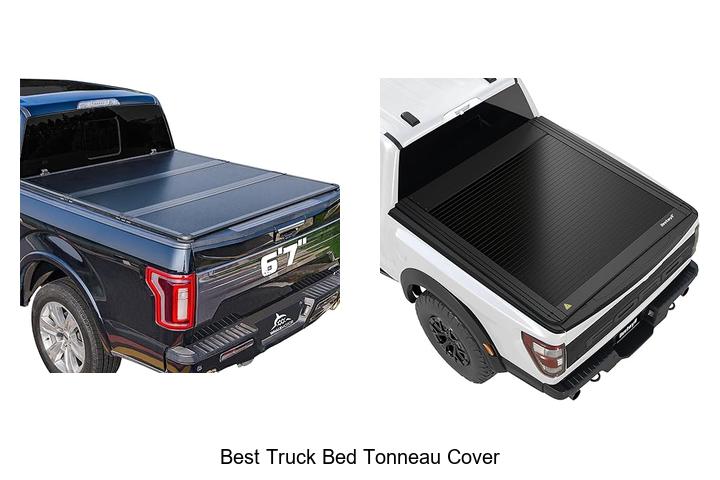
You’ll want to choose materials like vinyl, aluminum, or fiberglass for a durable tonneau cover.
Vinyl is flexible and weather-resistant, perfect if you want affordability and ease of use.
Aluminum offers excellent strength and lasts long, great for heavy-duty protection.
Fiberglass is sturdy and sleek but can be pricier.
Consider your climate and how often you use your truck bed to pick the best fit for durability and convenience.
Conclusion
If you don’t drive safely with your tonneau cover up, it’s like inviting chaos to hitch a ride—things flying off, damage piling up, and your truck turning into a disaster zone! But by checking fits, locking it tight, and inspecting seals like a pro, you’re not just protecting your cargo—you’re saving yourself from a highway horror show. So, buckle up, stay sharp, and treat that cover like the fortress it truly is!