How Do I Stop My Tonneau Cover From Flapping?
You can stop your tonneau cover from flapping by first ensuring it’s properly installed—make sure it lays flat, clamps are tight, and seals aren’t damaged. Adjust tension rods or straps to keep the cover snug without sagging. Keep it clean and inspect hardware regularly to prevent looseness. Choosing a hard or reinforced cover also helps reduce wind noise and movement. If you want to learn how to secure it better and when to contemplate replacement, there’s more to explore.
Why Does My Tonneau Cover Flap While Driving?
One common reason your tonneau cover flaps while driving is that it isn’t secured tightly enough. When the cover has slack or loose spots, wind catches under it, causing that annoying flapping noise.
You might also notice this happens more at higher speeds or in gusty conditions. Besides tension, worn or damaged seals and clips can let air sneak underneath, increasing movement.
Sometimes, debris or dirt prevents the cover from lying flat, contributing to the problem. Even moisture or temperature changes can slightly alter the material’s fit, making it less taut.
Is Your Tonneau Cover Properly Installed?
How can you tell if your tonneau cover is installed correctly? First, check if it lays flat across your truck bed without sagging or gaps. A properly installed cover should fit snugly against the rails and tailgate, creating a tight seal.
Make certain all clamps or fasteners are securely tightened and aligned as per the manufacturer’s instructions. If your cover has a latch system, test it to verify it locks firmly without movement.
Also, inspect the weatherstripping for any signs of misalignment or damage, which can cause flapping. When everything feels secure and the cover doesn’t shift when you push or pull gently, you’re likely good to go.
Proper installation is key to preventing wind from getting underneath and causing that annoying flap.
Installation Mistakes That Make Your Cover Flap (And How to Fix Them)
Even with a properly installed tonneau cover, certain installation mistakes can still cause it to flap in the wind. If the rails aren’t aligned correctly, your cover won’t sit tight, allowing wind to catch and flap it. Make sure the rails are straight and securely fastened.
Another common issue is loose clamps; if they’re not tightened enough, the cover will shift during driving. Check and tighten all clamps to the manufacturer’s specifications.
Also, watch out for debris or dirt trapped under the cover or rails, which prevents a snug fit. Clean the surfaces thoroughly before installation.
Finally, avoid stretching the cover unevenly when pulling it over the bed; uneven tension creates gaps that flap. Correct these mistakes to keep your cover stable.
Adjusting Tension to Stop Tonneau Cover Flapping
Several factors can influence the tension of your tonneau cover, and adjusting it properly is key to stopping flapping.
Start by checking the tension rods or springs if your cover uses them; tighten or loosen them to achieve a snug fit without over-stressing the cover. For soft covers with Velcro or snaps, reposition these fasteners for a tighter pull across the bed.
Make sure the cover lays flat without sagging—any slack allows wind to catch and cause noise. You might need to adjust tension incrementally, testing after each tweak to find the sweet spot.
Secure Your Tonneau Cover With Straps or Clips
Although adjusting tension is crucial, securing your tonneau cover with straps or clips provides an extra layer of stability that prevents flapping during high winds or at highway speeds.
Start by locating the built-in anchor points or rails on your truck bed where straps or clips can attach firmly. Use heavy-duty straps or clips designed specifically for tonneau covers to guarantee a tight hold.
Fasten the straps evenly across the cover, making sure they don’t interfere with your tailgate or cargo. Check that each strap or clip is snug but not overly tight to avoid damaging the cover material.
This simple addition considerably reduces movement, giving you peace of mind while driving. Regularly inspect and adjust the straps to maintain ideal security and prevent wear.
Balancing Cover Tightness for Easy Use and No Flapping
When you balance the tightness of your tonneau cover correctly, you prevent flapping without making it difficult to open or close.
Start by loosening or tightening the adjustment points evenly on both sides. Avoid over-tightening, which can strain the cover and make access frustrating.
If the cover feels too loose, gradually increase tension until it sits snugly without sagging, but you should still be able to lift it without excessive force.
Test the cover by driving at various speeds to guarantee it stays taut and quiet.
Remember, the goal is a firm, even fit that minimizes wind noise and movement while allowing smooth operation.
Regularly check and adjust the tension as needed, especially after exposure to weather changes or after reinstalling the cover.
Temporary Fixes for Flapping Tonneau Covers on Long Trips
If your tonneau cover starts flapping during a long trip, you can use quick temporary fixes to keep it secure until you can perform a proper adjustment.
First, try tightening the straps or bungee cords holding the cover down. If your cover has Velcro or snaps, make sure they’re fastened firmly.
You can also use strong tape, like duct tape, along the edges to reduce movement temporarily. Another option is to place small weights near the loose edges to prevent flapping caused by wind.
Avoid driving at high speeds if the flapping is severe, as it can worsen the problem or damage the cover.
These temporary measures aren’t permanent solutions but will help you manage the issue safely until you can fix the cover correctly.
Check and Replace Worn Seals to Stop Flapping
Since worn seals can create gaps that let wind get under your tonneau cover, checking them regularly is vital to stop flapping.
Start by inspecting the seals around the edges for cracks, tears, or areas where they’ve compressed and lost their flexibility. If you spot damage, replace the seals promptly to maintain a tight fit.
New seals create a snug barrier that prevents air from sneaking underneath and causing that annoying noise. When installing replacements, clean the surface thoroughly to guarantee good adhesion and proper sealing.
Don’t forget to check both the cover and the truck bed seals. By keeping your seals in good shape, you’ll minimize wind intrusion, reduce flapping, and extend the life of your tonneau cover.
How Weather Impacts Tonneau Cover Noise and Fit
Although weather changes may seem minor, they can considerably affect your tonneau cover’s noise levels and fit.
Temperature shifts cause the material to expand or contract, making your cover either loose or overly tight. In hot weather, the cover might stretch, leading to slack that flaps in the wind. Conversely, cold temperatures can shrink the cover, creating tension that causes creaking or popping noises.
Humidity and rain also play a role by softening seals and fabric, reducing their grip and increasing noise.
To manage these effects, regularly inspect your cover after weather changes to verify it maintains a snug fit. Understanding how weather impacts your tonneau cover helps you anticipate and address issues before they lead to persistent flapping or damage.
Proper Cleaning and Maintenance for a Quiet Tonneau Cover
Weather changes can affect your tonneau cover’s fit and noise, but keeping it clean and well-maintained plays an equally important role in preventing flapping.
Dirt, debris, and grime can cause the cover to stick or shift, increasing noise and wear. Regularly wash your cover with mild soap and water, avoiding harsh chemicals that might damage the material.
After cleaning, inspect the seals and fasteners for any signs of wear or looseness, tightening or replacing parts as needed.
Apply a protectant designed for your cover’s material to keep it supple and resistant to cracking.
Choosing the Right Tonneau Cover to Reduce Flapping
When you choose the right tonneau cover, you can markedly reduce flapping and enhance your driving experience.
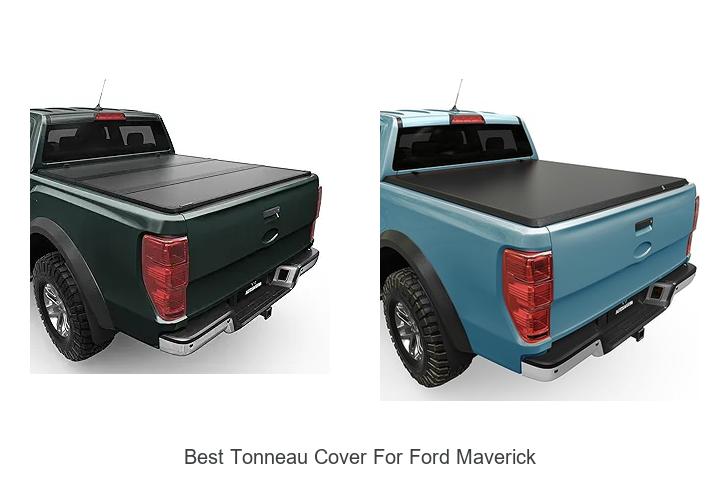
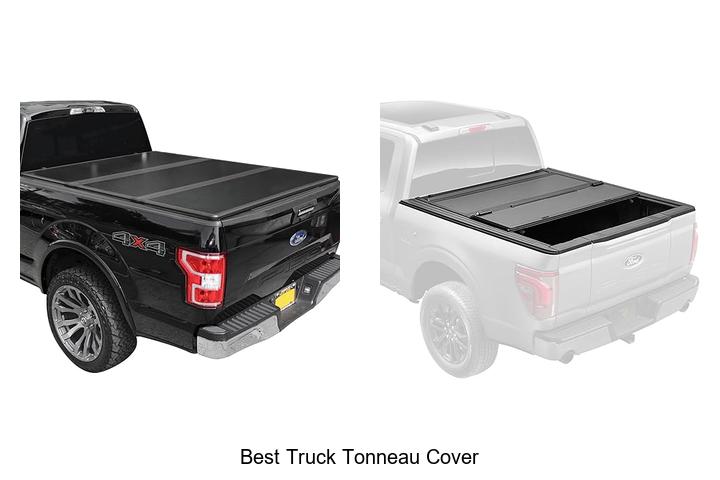
Opt for a cover designed specifically for your truck’s make and model to guarantee a snug fit, which minimizes wind intrusion. Hard covers like fiberglass or aluminum tend to flap less than soft covers because they’re rigid and stay firmly in place.
If you prefer soft covers, look for those with strong tension systems or multiple snap points to keep the material taut. Additionally, covers with reinforced edges and quality fastening mechanisms help maintain stability at high speeds.
Prioritize durability and secure mounting features over aesthetics alone, since a well-fitted, sturdy cover resists wind better, cutting down on noise and wear caused by constant flapping.
Using Wind Deflectors to Cut Tonneau Cover Noise
Even with the perfect tonneau cover, you might still notice some flapping and noise at higher speeds.
Installing wind deflectors can help reduce this issue by redirecting airflow over your truck bed, minimizing turbulence that causes flapping. These deflectors attach near the cab or along the sides of the bed, smoothing the air as it passes over the cover.
When selecting wind deflectors, choose ones designed specifically for your truck model to guarantee a proper fit and maximum effectiveness. Proper installation is key—make sure they’re securely mounted and positioned correctly to guide airflow efficiently.
When to Replace Your Tonneau Cover for Better Fit and Security
If your tonneau cover no longer fits snugly or shows signs of damage, it’s time to contemplate a replacement to maintain the security and protection of your truck bed.
A loose or worn cover won’t just flap noisily—it can let in water and debris, compromising your cargo. Check for tears, cracks, or broken latches that prevent a tight seal.
If your cover has warped or stretched over time, it won’t stay secure during high winds or at highway speeds.
Also, inspect the mounting hardware; if it’s rusted or bent, replacement is essential.
Upgrading to a new cover guarantees a better fit, reduces flapping, and enhances overall security.
Don’t wait for damage to worsen—invest in a replacement as soon as you notice persistent fit or security issues.
Frequently Asked Questions
Can Tonneau Covers Affect My Truck’s Fuel Efficiency?
Yes, tonneau covers can boost your truck’s fuel efficiency.
By reducing aerodynamic drag, they help air flow smoothly over the bed, which lowers wind resistance. This means your engine doesn’t have to work as hard, saving fuel on longer drives.
Just make sure your cover fits snugly and is properly secured to get the best efficiency benefits without any flapping or extra drag.
Are There Specific Brands Known for Quieter Tonneau Covers?
Isn’t it true that silence speaks volumes? Yes, brands like BakFlip, Retrax, and TruXedo are renowned for their quieter tonneau covers.
They use quality materials and tight-fitting designs that minimize flapping and noise. When you pick one, make sure it fits your truck perfectly and has secure latching systems.
That way, you won’t just reduce noise—you’ll enjoy a smoother, quieter ride every time you hit the road.
How Do Tonneau Covers Impact Cargo Security?
Tonneau covers boost your cargo security by keeping items out of sight, deterring theft. Many covers lock tight, so you can feel confident your gear stays put during transit.
Some types, like hard covers, offer more robust protection against break-ins than soft ones.
Just remember to check your cover’s locking mechanism and fit regularly to guarantee it’s secure and prevents unauthorized access, keeping your cargo safe.
What Tools Are Needed for Tonneau Cover Installation?
You’ll typically need a few basic tools to install your tonneau cover.
Grab a socket wrench or ratchet set, a screwdriver (usually Phillips), and sometimes an Allen wrench, depending on your cover’s hardware.
Measuring tape helps guarantee proper alignment, and a rubber mallet can assist with securing clamps without damage.
Having these ready will make the installation smoother and keep your cover tight and secure.
Can Tonneau Covers Be Used in All Weather Conditions?
Of course, you can’t use tonneau covers in all weather—if you enjoy letting rain, snow, and dust ruin your truck bed!
In reality, most tonneau covers are designed to handle various weather conditions, keeping your cargo dry and protected.
Just make sure you pick one with weather-resistant materials and proper sealing.
That way, you won’t have to worry about the elements messing with your gear, no matter what Mother Nature throws at you.
Conclusion
If your tonneau cover flaps while driving, you’re not alone—studies show over 40% of truck owners face this issue due to improper installation or tension. By double-checking your setup, tightening straps, and considering wind deflectors, you can cut down on noise and wear. Regular maintenance and choosing the right cover also make a big difference. Taking these steps guarantees a quieter, more secure drive every time you hit the road.