How to Shorten a Tonneau Cover in 10 Easy Steps
To shorten your tonneau cover, first remove it carefully from your truck bed by unclipping or unscrewing fasteners. Gather tools like a measuring tape, marker, sharp cutting tools, and safety gear. Measure and mark where you want to cut, then cut steadily along your marks. Seal the edges to prevent fraying before reinstalling hardware and adjusting the fit. If you want to avoid common issues and keep your cover in top shape, there’s more essential advice ahead.
Remove the Tonneau Cover From Your Truck Bed
Begin by unclipping or unscrewing the fasteners that secure the tonneau cover to your truck bed. Most covers use clamps, bolts, or snaps along the edges.
Work methodically, starting at one corner and moving around the perimeter to avoid bending or damaging the cover. Once all fasteners are loosened, carefully lift the cover away from the truck bed.
If your cover has hinges, gently detach them as well, ensuring you don’t strain the material. Lay the cover flat on a clean surface to prevent scratches or dirt buildup.
It’s important to keep all hardware together for reassembly or adjustments later. Removing the cover completely gives you full access and makes shortening easier while protecting both the cover and your truck.
Gather Tools Needed to Shorten the Cover
With the tonneau cover removed and laid out safely, you’re ready to gather the tools needed to shorten it.
Start with a measuring tape to guarantee precise cuts later. You’ll also need a marker or chalk to mark the cutting lines accurately. A sharp utility knife or heavy-duty scissors will help you make clean cuts through the cover material.
If your cover has metal components, a hacksaw or metal cutting blade might be necessary. Don’t forget safety gear: gloves to protect your hands and safety glasses to shield your eyes from debris.
Finally, have a straight edge or ruler on hand to guide your markings and cuts. Having these tools ready will make the shortening process smoother and more efficient.
Measure and Mark the Cover for Cutting
Two key measurements will guarantee your tonneau cover fits perfectly after shortening. First, measure the width of your truck bed at the point where you want the cover to end.
Second, measure the length from the tailgate to that same point along the bed rails. Use a tape measure for accuracy and jot down these numbers.
Next, lay the cover flat on a clean surface and smooth out any wrinkles. Using a straightedge or ruler, mark a clear cutting line based on your length measurement, ensuring it’s parallel to the bed rails.
Double-check your marks before cutting to avoid mistakes. Mark both the top and bottom layers if your cover is multi-layered, so you cut evenly.
These steps set you up for a precise and neat cut.
Prep the Cover Edges to Prevent Fraying
Because cutting a tonneau cover can cause the edges to fray, you’ll need to reinforce them before proceeding.
Start by applying a fabric adhesive or seam sealer along the marked cutting line to bind the fibers. Let it dry completely to guarantee a strong hold.
Alternatively, you can use heat to seal synthetic covers—carefully run a lighter or heat gun along the edge, melting the material slightly to prevent unraveling.
If your cover has a vinyl or fabric edge binding, consider sewing a new hem or attaching binding tape after trimming to add durability.
Preparing the edges this way will keep your cover looking neat and extend its lifespan, making certain the cut edge won’t unravel or weaken over time.
Cut Along Your Marked Line Carefully
Start cutting along your marked line steadily and precisely to confirm a clean edge. Use sharp scissors or a utility knife for the best results, and avoid rushing to prevent jagged cuts.
Keep the cover flat on a stable surface, making sure it doesn’t shift as you work. If needed, secure it with clamps or weights to maintain position.
Follow the marked line exactly, as even small deviations can affect the fit. Take your time and make smooth, continuous cuts rather than short, choppy ones to minimize fraying.
If your cover has multiple layers, cut through them evenly without forcing the blade.
Seal Cut Edges to Protect the Cover
A properly sealed edge prevents your tonneau cover from fraying and extends its lifespan. After cutting, use a fabric sealant or waterproof adhesive to coat the raw edges. Apply it evenly along the cut line with a small brush or your finger, making sure to cover every exposed thread. Let it dry completely before handling the cover further.
Alternatively, you can use heat to seal synthetic covers—gently run a heat gun or lighter near the edge to melt the fibers slightly. Be cautious not to burn or deform the material.
Sealing the edges guarantees your cover stays durable, resists weather damage, and maintains a clean, professional look. Taking this extra step keeps your shortened tonneau cover reliable for years to come.
Reinstall Hardware and Frame Components
Reconnect the hardware and frame components carefully to guarantee your tonneau cover fits securely and functions properly.
Begin by aligning the shortened cover with the frame, ensuring the edges sit flush. Reattach clamps or brackets you removed earlier, tightening them evenly to avoid warping the cover.
If your frame includes hinges or support bars, reinstall these next, making sure they pivot smoothly without binding.
Don’t forget to secure any bolts or screws firmly, but avoid overtightening, which can damage the frame or cover material.
Double-check that all fasteners are in their original positions or adjusted as needed for the new size.
Taking your time here prevents issues later, ensuring your cover stays taut and functional after shortening.
Check the Fit and Adjust as Needed
After reinstalling all components, you’ll want to carefully check the fit of your shortened tonneau cover to confirm it sits properly on your truck bed.
Start by closing the cover slowly to ensure it aligns with the bed rails without gaps or misalignment. Look for any areas where the cover might be too tight or too loose. If you notice uneven tension, adjust the frame or hardware slightly to balance the fit.
Make sure the latches engage smoothly and securely without forcing them. Also, verify that the cover seals well against the bed to prevent water or debris entry.
Taking these steps confirms your cover functions correctly and protects your cargo as intended. Don’t rush—precise alignment makes a big difference in durability and performance.
Troubleshoot Common Fit Issues
If you spot any issues during your fit check, don’t worry—it’s common to encounter a few hiccups when shortening a tonneau cover.
First, if the cover feels too tight, double-check your measurements and trim a little more evenly. Avoid cutting too much at once; small adjustments work best.
If it’s too loose or sagging, make certain the fastening points are secure and properly aligned. Sometimes, repositioning the clamps or Velcro strips can fix this.
Wrinkles or puckering may mean the cover isn’t stretched evenly—try loosening the fasteners and retightening gradually.
If edges fray after trimming, use heat or a sealant to prevent further damage.
Taking these troubleshooting steps helps you achieve a snug, clean fit without compromising the cover’s durability.
Maintain Your Shortened Tonneau Cover
Even though you’ve successfully shortened your tonneau cover, regular maintenance is key to keeping it in good shape and extending its lifespan.
Start by cleaning the cover with mild soap and water to remove dirt and debris, avoiding harsh chemicals that can damage the material.
Inspect the seams and edges where you made modifications to guarantee they remain secure and watertight.
Lubricate any moving parts, such as hinges or latches, to prevent rust and guarantee smooth operation.
Store the cover properly when not in use, preferably in a cool, dry place to avoid warping or mold growth.
Frequently Asked Questions
Can I Shorten a Tonneau Cover Without Removing It?
You usually can’t shorten a tonneau cover without removing it because you need full access to trim and reattach the edges properly.
Trying to cut it while it’s still on your truck risks uneven cuts or damage.
It’s best to take it off, measure carefully, then shorten it to fit perfectly.
That way, you avoid mistakes and guarantee a clean, secure fit that protects your truck bed effectively.
What Types of Tonneau Covers Are Easiest to Shorten?
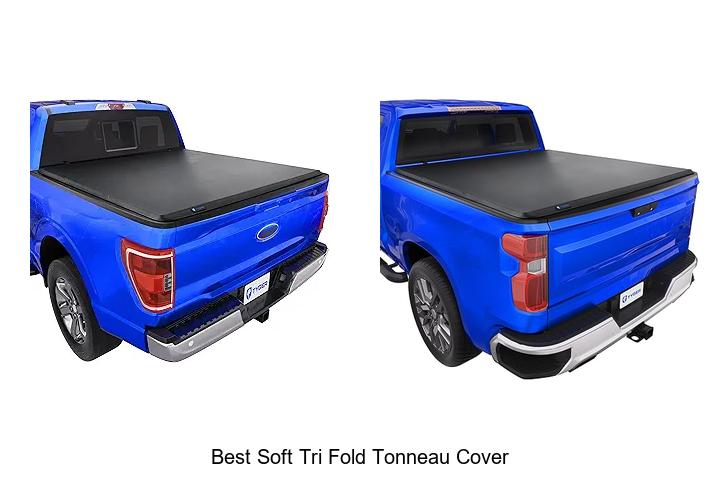
Soft roll-up tonneau covers are the easiest to shorten because you can usually trim the vinyl or fabric edges without removing the entire cover.
Snap-on or folding soft covers let you cut and reseal the edges with relative ease.
Hard covers, especially rigid folding or retractable ones, are much tougher to modify since they involve solid panels and complex mechanisms, making shortening a tricky and often impractical task.
Will Shortening Affect My Truck’s ?
Shortening your tonneau cover might be a double-edged sword.
Generally, it won’t affect your truck’s warranty since covers are aftermarket accessories, but it depends on your manufacturer’s policy.
If the modification causes damage or affects truck components, the warranty could be voided in that area.
Always check your warranty terms or talk to your dealer first to avoid any surprises down the road.
Better safe than sorry!
How Long Does the Shortening Process Usually Take?
The shortening process usually takes about 1 to 2 hours, depending on your experience and the tools you have.
If you’re careful and follow the steps closely, you can finish it within this timeframe.
Make certain to measure twice and cut once to avoid mistakes.
Taking your time guarantees a clean, snug fit, so don’t rush.
With some patience, you’ll have your tonneau cover perfectly shortened before you know it.
Can I Shorten a Tonneau Cover to Fit a Different Truck Model?
Absolutely, you can shorten a tonneau cover to fit a different truck model, but it’s like tailoring a giant, stubborn tent!
You’ll need patience and precision, as cutting it too much or unevenly could ruin the whole cover.
Just measure carefully, trim slowly, and make sure to reseal the edges properly.
If you do it right, your cover will fit snugly and protect your truck bed perfectly.
Conclusion
Now that you’ve shortened your tonneau cover, it should fit your truck bed like a glove. Remember, patience and precision are your best friends throughout this process. If things don’t line up perfectly at first, don’t sweat it—adjustments are part of the journey. Keep your cover well-maintained, and it’ll protect your cargo rain or shine. With these steps, you’ve turned a big task into a smooth ride—easy and efficient every time.