5 Easy Steps to Roll Up a Tonneau Cover
First, clear your truck bed and wipe down the rails to guarantee smooth operation. Next, release the latches on both sides near the tailgate and test they’re free. Then, start at the tailgate, folding the cover evenly in sections as you roll it toward the cab. Secure the rolled cover with straps near the front, and clean it with mild soap and water to maintain its condition. Keep going to discover tips that protect your cover and truck.
Clear and Prepare Your Truck Bed
Before you roll up your tonneau cover, clear everything out of the truck bed. Any items left behind can get damaged or block the cover from rolling smoothly.
Check every corner and under any mats or liners to verify the bed is completely empty. Once clear, inspect the bed rails and cover edges for dirt, debris, or small stones. These can scratch the surface or cause the cover to catch when rolling.
Wipe down the bed rails and the cover’s underside with a clean cloth to remove dust and grime. Taking these steps helps your tonneau cover roll up easily and protects both your truck bed and the cover itself.
Preparing your truck bed properly sets you up for a smooth, hassle-free process.
Unlock Your Tonneau Cover Latches
Once your truck bed is clear and clean, it’s time to focus on releasing the tonneau cover latches.
Locate the latches on both sides of the cover near the tailgate. These latches secure the cover tightly to prevent movement.
Grasp each latch firmly and pull or twist it according to your cover’s design—some models have lever-style latches, while others use twist knobs.
Make sure you fully disengage both latches before attempting to move the cover to avoid damage. If your cover has a lock, use the key to open it first.
After opening, test the latches gently to confirm they’re free.
Once both latches are open, you’re ready for the next step in rolling up your tonneau cover smoothly and safely.
Fold and Roll Your Tonneau Cover From the Tailgate
Start by positioning yourself at the tailgate, where you’ll gently lift the tonneau cover’s edge and begin folding it towards the cab.
Fold the cover evenly in sections, making sure each fold lies flat and smooth to prevent wrinkles or damage. Use both hands to guide the cover as you work your way forward, keeping a steady pace.
Once you’ve folded all sections, begin rolling the folded cover tightly from the tailgate end toward the cab. Rolling tightly helps reduce bulk and secures the cover in a compact form.
Keep your movements controlled to avoid snagging or tearing the material. When you reach the cab, the tonneau cover should be neatly rolled and ready for the next step in securing it.
Secure Your Rolled Tonneau Cover for Driving
Two straps or clamps usually do the trick to keep your rolled tonneau cover secure during driving.
After rolling the cover, position it neatly at the front of the truck bed near the cab. Use adjustable straps or quick-release clamps designed for tonneau covers to fasten it tightly.
Make certain the straps are snug but not overly tight to avoid damaging the cover. Double-check that the cover is stable and won’t shift with road vibrations or wind.
If your cover has built-in fastening points, utilize them for added security. Avoid loose ends or straps that could flap or come undone while driving.
Taking these precautions guarantees your rolled tonneau cover stays in place, preventing damage and distractions on the road.
Clean and Maintain Your Tonneau Cover After Rolling
After securing your rolled tonneau cover, it’s important to give it some care to keep it in good shape.
Start by wiping down the cover with a damp cloth to remove dust and debris. Use mild soap and water for tougher spots, but avoid harsh chemicals that can damage the material.
Let it air dry completely before unrolling to prevent mold or mildew. Regularly inspect the cover’s seals and stitching for any signs of wear or damage, repairing small issues promptly to extend its life.
Applying a UV protectant designed for tonneau covers can also help prevent fading and cracking.
Frequently Asked Questions
Can I Roll up a Tonneau Cover in Cold Weather?
Yes, you can roll up a tonneau cover in cold weather, but you’ll want to be careful.
Cold temperatures can make the material stiffer and less flexible, so take your time to avoid cracking or damaging it.
Gently warm the cover if possible, or roll it up slowly to prevent stress on the fabric.
With some patience and care, you’ll keep your tonneau cover in good shape even during colder months.
What Tools Do I Need to Install a Tonneau Cover?
You’ll need just a few basic tools to install a tonneau cover: a screwdriver, usually Phillips or flathead, a wrench or socket set, and sometimes a drill for secure mounting.
Imagine yourself tightening bolts like a mechanic tuning an engine—each turn brings the cover closer to perfect fit.
Most kits come with all necessary hardware, so you won’t need extra gear. Just follow instructions, and you’ll have it installed in no time.
How Do I Fix a Torn Tonneau Cover?
To fix a torn tonneau cover, first clean the damaged area thoroughly.
Then, use a vinyl repair kit or heavy-duty adhesive designed for outdoor fabrics. Apply the adhesive or patch according to the instructions, pressing firmly to guarantee a strong bond.
Let it dry completely before using the cover again.
For larger tears, consider sewing the edges together before applying the patch to reinforce the repair and prevent further damage.
Are There Different Types of Tonneau Covers for Trucks?
Think of tonneau covers as different kinds of armor for your truck’s bed—each designed for a unique battle.
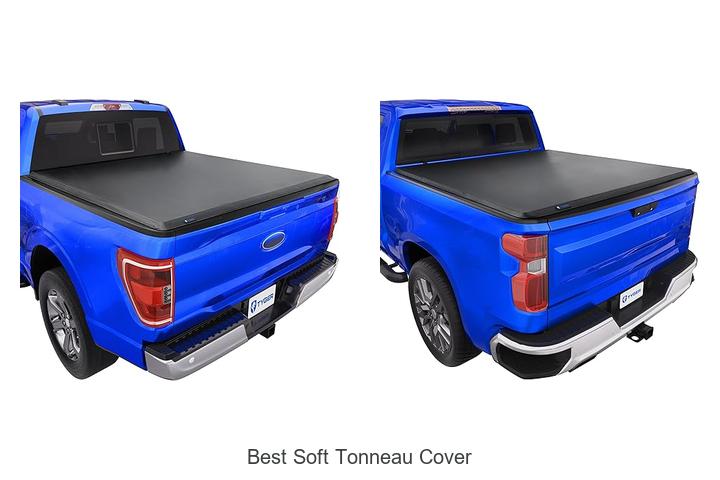
Yes, you’ve got soft roll-up covers, like flexible shields that easily fold; hard folding ones, sturdy like layered plates; retractable covers acting like sliding doors; and even snap-on or hinged hard covers, offering solid protection.
Knowing your mission—weather, security, or style—helps you pick the right armor for your truck.
Can Rolling the Tonneau Cover Damage the Paint on My Truck?
Rolling your tonneau cover shouldn’t damage your truck’s paint if you handle it carefully.
Make sure the cover and truck bed are clean before rolling to avoid scratching. Always roll gently and avoid dragging the cover across painted surfaces.
Using a cover with soft or padded backing also helps protect the paint. If you follow these steps, you can keep your truck’s paint looking great while enjoying the convenience of a roll-up cover.
Conclusion
Rolling up your tonneau cover doesn’t have to be tricky. By following these five simple steps, you’ll protect your cover and keep your truck bed ready for anything. For example, Jake, a delivery driver, saved time every morning by quickly rolling his cover, helping him stick to tight schedules without hassle. Give these steps a try, and you’ll see how easy it is to keep your tonneau cover in great shape while making your daily routine smoother.