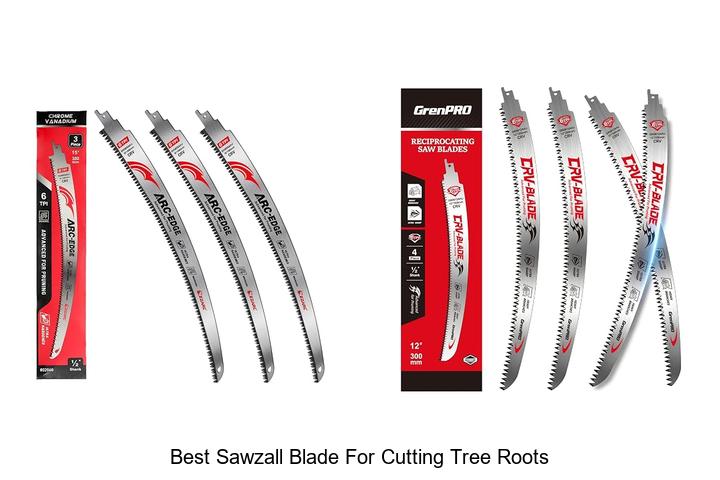
Top 10 Best Sawzall Blade for Cutting Tree Roots Revealed!
Removing tree roots can be a tough job, especially when using the wrong tools that wear out quickly or struggle to cut through tough, fibrous wood. A reliable blade that handles this task effectively makes all the difference.
This type of blade is ideal for gardeners, landscapers, and homeowners who need a strong, durable solution to tackle stubborn roots without damaging their saw or wasting time. In this review, we will explore key features such as durability, cutting speed, and compatibility with different saw models.
Whether you’re dealing with small roots or larger, more resilient ones, this guide will help you choose the right blade to get the job done with less hassle.
Tackle Tough Roots with These Top-Performing Blades for Your Sawzall
| Image | Product | Price |
|---|---|---|
Top Pick 1  | EZARC Arc Edge Reciprocating Saw Blades, 15-Inch 6TPI for Pruning, 3-Pack | Check Price |
Top Pick 2  | GRENPRO 4-Pack Arc Edge Reciprocating Saw Blades, 12-Inch 6TPI for Pruning | Check Price |
Top Pick 3  | TOLESA 12 Pack CR-V Sawzall Pruning Blades 6 Inch+9 Inch for Tree | Check Price |
1. EZARC Arc Edge Reciprocating Saw Blades, 15-Inch 6TPI for Pruning, 3-Pack
Achieve precise and efficient cuts with the EZARC Arc Edge Reciprocating Saw Blades. Designed for pruning and trimming, these 15-inch blades excel in tackling larger branches and roots.
Their aggressive tooth profile boosts cutting power, making yard work smoother and faster.
Perfectly suited for gardeners and DIYers, these saw blades offer durability and performance in every stroke. Crafted to handle various wood types, they bring reliability to your outdoor cutting tasks.
The EZARC blades feature an innovative arc edge design combined with triple-ground offset teeth. This setup provides three cutting angles to minimize friction and ensure controlled, clean cuts through thick branches. The extra-long 15-inch length extends your reach, improving efficiency when working on larger limbs or roots.
The extra-long 15-inch length extends your reach, improving efficiency when working on larger limbs or roots.
Each blade boasts sharp fleam-ground teeth with deep gullets, engineered for faster and smoother cutting. This tooth design also lengthens the blade’s lifespan by three times compared to standard pruning blades.
A 6TPI tooth profile and 1mm tooth pitch make these blades adaptable to both wet and dry wood, including green timber and firewood up to 300mm in diameter.
Universal shank compatibility allows these saw blades to fit most major reciprocating saw brands, providing versatility across different tools. Whether worn down or tough, tree roots and branches meet their match with steady, efficient cuts. Their quality construction offers excellent value for anyone regularly managing outdoor wood-cutting projects.
Pros
- Arc edge design reduces friction for smoother cuts.
- Fleam-ground teeth increase cutting speed and blade lifetime.
- Compatible with most major reciprocating saw brands.
Cons
- Not compatible with Ryobi reciprocating saws.
EZARC’s 15-inch reciprocating saw blades combine advanced design and robust performance to make cutting tree roots and branches less taxing. Their balance of power, durability, and universal fit enhances both ease and precision in pruning tasks.
2. GRENPRO 4-Pack Arc Edge Reciprocating Saw Blades, 12-Inch 6TPI for Pruning
Enhance your outdoor cutting tasks with the GRENPRO 4-Pack Arc Edge Reciprocating Saw Blades. Designed to tackle tough pruning jobs, these 12-inch blades combine durability and precision for superior performance. Whether trimming thick branches or cutting firewood, they offer an efficient solution for demanding woodwork.
Each blade boasts a sharp 6TPI Japanese tooth pattern, ideal for cutting through wet and dry timber up to 250mm thick. The innovative arc edge design and fleam-ground teeth ensure smooth, controlled cuts while minimizing resistance and binding.
The GRENPRO blades stand out for their aggressive Japanese tooth profile, enabling fast cuts with less effort. Crafted from Chromium-Vanadium steel, they promise enhanced strength and a lifespan thrice that of standard blades.
Its curved arc edge design offers better control and reduces blade deflection, resulting in cleaner, consistent cuts. The triple-ground offset tooth pattern with deep gullets clears debris efficiently.
Versatile by nature, these blades handle various pruning and wood-cutting tasks effectively. Their 6TPI pitch caters well to both thick branches and firewood processing.
Pros
- Durable Chromium-Vanadium steel construction offers long-lasting use
- Arc edge design reduces binding and improves cutting control
- Efficient fleam-ground teeth minimize clogging and ensure smooth cuts
Cons
- Specialized Japanese tooth profile may not be ideal for metal cutting
Offering a blend of durability, precision, and innovative design, the GRENPRO 4-Pack Arc Edge Reciprocating Saw Blades deliver reliable cutting performance. Their enhanced features make them a smart choice for various outdoor pruning and woodworking tasks, standing firm against other blades in the market.
3. TOLESA 12 Pack CR-V Sawzall Pruning Blades 6 Inch+9 Inch for Tree
Experience superior cutting performance and durability with the TOLESA 12 Pack CR-V Sawzall Pruning Blades. These high-quality blades offer exceptional strength, making pruning and cutting tasks easier and more efficient. The set combines the benefits of two sizes for versatile use in different tree and wood cutting jobs.
The set combines the benefits of two sizes for versatile use in different tree and wood cutting jobs.
The blades are crafted with Chromium-Vanadium steel, enhancing their flexibility while resisting heat and wear. Whether trimming tree roots or cutting through branches, these blades ensure clean, aggressive cuts every time.
Designed for both professional gardeners and DIY users, this set includes 6-inch blades with 6 teeth per inch and 9-inch blades with 5 teeth per inch. The 6-inch blades deliver rigid, precise cuts ideal for tougher, aggressive pruning tasks. Meanwhile, the 9-inch blades provide flexibility and heat dissipation, making them perfect for flush cuts around tree roots and branches.
The sharp, ground-teeth geometry improves cutting speed and efficiency by reducing heat and sawdust buildup. These blades also feature a universal 1/2-inch shank, fitting most sawzall tools from leading brands like Bosch, DeWalt, and Makita. Constructed for multi-material use, they easily cut through hardwood, softwood, PVC, and plastic pipes, adding to their versatility.
Constructed for multi-material use, they easily cut through hardwood, softwood, PVC, and plastic pipes, adding to their versatility.
Packaged elegantly in a gift box, this set makes a thoughtful present for anyone who values quality tools. The balance of durability, cutting power, and compatibility makes these blades a reliable choice for a wide range of woodworking and garden trimming needs.
Pros
- Durable Chromium-Vanadium steel offers heat resistance and flexibility
- Two blade sizes support aggressive and flush cutting of tree roots and branches
- Universal 1/2-inch shank fits all major reciprocating saw brands
Cons
- Blades may dull faster with cutting extremely hard materials
The TOLESA sawzall blade set delivers reliable cutting performance suited to various pruning and woodworking tasks. Its strong build and versatility provide excellent value and ease of use for anyone in need of effective tree root and wood cutting blades.
4. Diablo Demo Demon Carbide Tipped Reciprocating Saw Blades – 3-Pack

Cutting through tough tree roots requires blades that combine strength and precision. The Diablo Demo Demon Carbide Tipped Reciprocating Saw Blades deliver outstanding durability and performance, making heavy-duty pruning tasks significantly easier.
Their design specifically caters to intense wood cutting needs, providing clean and efficient results.
Crafted to last, these blades offer a longer service life compared to typical sawzall blades. Whether working on thick roots or pruning demanding branches, they promise consistent cutting power.
The Diablo Demo Demon blades feature an oversized, reinforced body that enhances stability during aggressive cutting. This feature allows for better control and improved chip removal. Large gullets efficiently clear debris, preventing binding and maintaining cutting speed throughout the task.
Equipped with carbide-tipped teeth designed with specific geometry, these blades cut through wood and pruning materials with minimal effort. The Perma-SHIELD non-stick coating further reduces gumming and friction, saving time and making each cut cleaner than standard blades.
Ideal for professionals and homeowners alike, this 3-pack caters to frequent use in pruning and root cutting. Their durability represents excellent value by reducing the need for frequent blade replacements. Users report smooth operation and noticeable improvements in productivity when tackling challenging wood projects.
Users report smooth operation and noticeable improvements in productivity when tackling challenging wood projects.
Pros
- Carbide tooth design offers fast, effortless cuts with long-lasting sharpness.
- Perma-SHIELD coating prevents friction and gumming for smoother operation.
- Oversized blade body with large gullets permits quick chip removal during heavy cuts.
Cons
- Blade length and stiff design may limit flexibility in tight or curved cuts.
Combining durability and practical features, the Diablo Demo Demon blades are a reliable choice for cutting tree roots and wood. Their construction supports extended use without sacrificing cutting speed, making them an efficient addition to any sawzall toolkit.
Things to Consider Before Buying the Best Sawzall Blade for Roots
Blade Material and Durability
Types of steel used (bimetal, carbidetipped, etc.). Resistance to rust and corrosion. Longevity under heavy root cutting.The material of a sawzall blade plays a significant role in its performance and lifespan when cutting through tough tree roots. Blades made from bimetal combine the flexibility of high-speed steel with the strength of carbon steel, allowing them to handle the strain of dense roots without snapping.
Resistance to rust and corrosion is another important factor, especially since these blades often encounter moisture and dirt, which can quickly degrade lower-quality metals. A blade that maintains its sharpness over repeated use will save time and effort, providing smoother cuts and lasting through heavy-duty root cutting tasks without frequent replacements or sharpening.
Durability and material quality together ensure a reliable tool for root cutting that stands up to the challenging demands of outdoor work.
Tooth Design and Configuration
Tooth size and spacing for root cutting. Aggressiveness of teeth for faster cuts. Antivibration and chip clearance features.The tooth size and spacing on the best sawzall blade for cutting tree roots play a significant role in how effectively the blade can handle tough, fibrous material. Larger teeth with wider spacing help clear chips quickly and prevent clogging, which is especially useful when dealing with thick roots.
Some blades include features that reduce vibration, making the cutting process smoother and less tiring for the hand, while also aiding in better control. Overall, the combination of carefully spaced teeth, aggressive cutting edges, and anti-vibration technology helps the blade maintain efficiency and durability in demanding root-cutting situations.
Blade Length and Thickness
Optimal blade length for reaching roots. Blade thickness for strength versus flexibility. Impact of blade size on maneuverability.The length of a sawzall blade plays a key role in its ability to access tree roots that may be buried or located in tight spaces; longer blades are well-suited for reaching deeper or harder-to-access roots, while shorter blades offer greater control and ease of use in confined areas. The thickness of the blade affects its durability and flexibility—thicker blades provide enhanced strength and resistance to bending when cutting through tough, dense roots, whereas thinner blades allow for more flexibility which can be helpful when maneuvering around irregular root shapes.
Compatibility with Sawzall Models
Universal fitting vs. brandspecific blades. Quickchange vs. fixed shank designs. Compatibility with power and corded sawzalls.Blades designed for reciprocating saws often vary in how they fit and function, making the choice between universal fitting and brand-specific blades an important aspect to explore. Universal blades tend to offer broad compatibility across multiple sawzall models, allowing them to attach to various brands without trouble, which adds flexibility for users with different tools. Brand-specific blades may provide a more tailored fit and occasionally enhanced stability during use but might limit options if changing the saw model.
The difference between quick-change and fixed shank designs also factors into ease of use; quick-change blades can be swapped rapidly without additional tools, streamlining workflow especially in dynamic job settings, whereas fixed shank blades typically require more time and sometimes tools to replace, lending a more secure attachment that some users might prefer. Compatibility reaches beyond just the blade fitting, as certain blades are geared to work efficiently with either cordless or corded sawzalls, balancing power output and speed with cutting effectiveness.
Understanding these aspects contributes to selecting a blade that aligns well with specific saw capabilities and job requirements, ensuring smoother integration and performance during use.
Cutting Performance and Efficiency
Speed of cutting through dense roots. Smoothness of the cut and control. Ability to handle wet or dry roots.The best sawzall blade for cutting tree roots excels in speed of cutting through dense roots, allowing users to complete tasks without unnecessary delays. A smoothness of the cut and control are vital qualities that contribute to a cleaner finish and greater precision, reducing the risk of damaging surrounding areas or the tool itself.
These blades are designed to handle both wet and dry roots effectively, offering versatility for various gardening and landscaping situations. Materials used in these blades often resist corrosion from moisture, which enhances durability when encountering wet roots, while the tooth design ensures efficient gripping and cutting power necessary for tough, dry roots. The balance between aggressive cutting action and manageable control makes these blades essential for practical root removal jobs, combining reliability with ease of use.
Price and Warranty Considerations
Balancing cost with blade quality. Availability of warranties or satisfaction guarantees. Value for money based on lifespan and performance.Choosing a sawzall blade for cutting tree roots involves balancing cost and blade quality to get dependable performance without overspending. Blades that combine durable materials with sharp teeth tend to last longer, offering better value even if their upfront price is slightly higher. Warranties or satisfaction guarantees can provide added peace of mind, reflecting a manufacturer’s confidence in the product’s durability and effectiveness.
Assessing how well a blade holds up during repeated use and its ability to maintain sharpness affects overall value, making it worthwhile to consider blades known for strong performance and longevity. In the end, the best choice often reflects a blend of reasonable pricing, solid construction, and any customer assurance policies that support the longevity and reliability of the blade.
FAQ’s
What Features Should I Look For In A Sawzall Blade For Cutting Tree Roots?When choosing a Sawzall blade for cutting tree roots, look for a blade with bi-metal construction and aggressive, carbide-tipped teeth designed for cutting through tough, fibrous material. Additionally, select a blade that is long enough to reach deep roots and has a corrosion-resistant coating for durability.
Which Materials And Tooth Designs Are Best For Sawzall Blades Used On Tree Roots?Sawzall blades made from bi-metal or carbide-tipped materials are best for cutting through tough tree roots due to their durability and heat resistance. Blades with a coarse tooth design and aggressive tooth spacing are ideal for efficient root cutting and preventing clogging.
How Do Carbide-Tipped Sawzall Blades Perform When Cutting Through Thick Tree Roots?Carbide-tipped Sawzall blades perform exceptionally well when cutting through thick tree roots, providing durability and sharpness that can handle tough, fibrous material. They maintain their edge longer than standard blades, allowing for efficient and cleaner cuts through dense root systems.
What Is The Recommended Blade Length And Thickness For Cutting Tree Roots With A Sawzall?The recommended blade length for cutting tree roots with a Sawzall is typically 6 to 9 inches to allow deep and efficient cutting. A blade thickness of around 0.035 to 0.05 inches is ideal for durability and flexibility when cutting through tough roots.
Can I Use A Wood Or Metal Cutting Sawzall Blade Effectively For Tree Roots, Or Is A Specialty Blade Necessary?While a wood or metal cutting Sawzall blade can handle small tree roots, a specialty root or pruning blade is more effective and durable for cutting thicker, tougher roots. Using the proper blade ensures cleaner cuts and longer blade life.
Conclusion
Choosing the best sawzall blade for cutting tree roots can greatly impact the efficiency and ease of your woodworking or landscaping tasks. Blades designed specifically for roots typically feature durable, sharp teeth and heat-treated steel to handle tough, fibrous material without dulling quickly. While some blades may wear out faster on extremely dense roots or require more frequent replacement, many offer a balanced combination of strength and flexibility.
While some blades may wear out faster on extremely dense roots or require more frequent replacement, many offer a balanced combination of strength and flexibility. These blades are well suited for homeowners, landscapers, or professionals needing precise and effective cutting through stubborn roots. Considering blade length, tooth design, and material toughness will help address concerns about longevity and performance.
Overall, selecting a blade tailored for tree roots ensures cleaner cuts and less frustration, making it a worthwhile investment for root-cutting projects.