Top 10 Best Sawzall Blade for Copper Pipe – Must Try Now!
Cutting copper pipes cleanly and efficiently can be a challenge without the right tool. A sawzall blade designed specifically for copper pipe makes this task much easier and helps prevent damage to the material. The best sawzall blade for copper pipe offers durability and precision for plumbers, HVAC technicians, and DIYers who work regularly with copper tubing.
The best sawzall blade for copper pipe offers durability and precision for plumbers, HVAC technicians, and DIYers who work regularly with copper tubing. These blades are crafted to handle soft metals smoothly, reducing burrs and ensuring a neat cut every time. This review will cover important features such as blade material, tooth design, and compatibility with different sawzall models.
By examining several options, you’ll get a clear understanding of which blades provide the best balance of performance and value for cutting copper pipe.
Cut Through Copper with Precision: Top Blade Picks for Effortless Pipe Cutting
| Image | Product | Price |
|---|---|---|
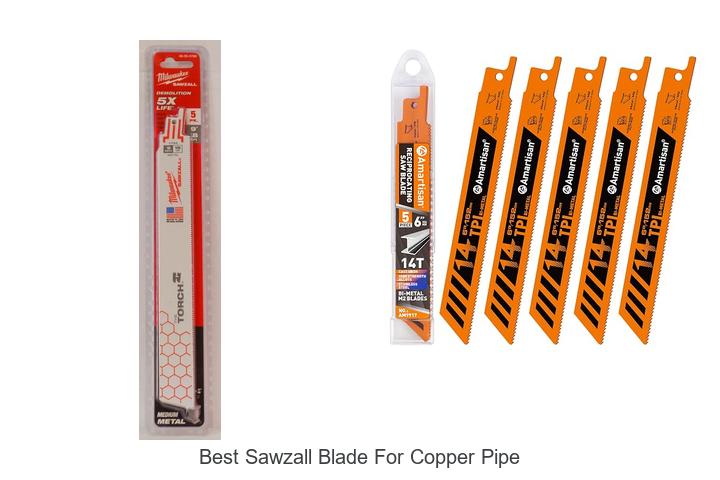
Top Pick 1  | MILWAUKEE’S 9″ L Reciprocating Saw Blade, 5 pk., Bi-Metal (48-00-5788) | Check Price |
Top Pick 2  | AMARTISAN 5-Piece 6 Inch 14TPI Heavy Metal Cutting Reciprocating Saw Blades,Suitable for | Check Price |
1. MILWAUKEE’S 9″ L Reciprocating Saw Blade, 5 pk., Bi-Metal (48-00-5788)
Experience reliable performance with MILWAUKEE’S 9 L Reciprocating Saw Blade 5-pack. Designed for durability and precision, these bi-metal blades excel at cutting through metal materials effortlessly. Users benefit from blades engineered to handle demanding jobs in plumbing and remodeling applications.
Every pack includes five blades constructed in the United States, ensuring consistent quality. The universal tang fitting suits all Sawzall models, adding to the convenience.
These 9-inch blades feature 18 teeth per inch, offering smooth and fast cutting on copper pipes, tubing, angle iron, and more. The bi-metal construction merges flexibility with hardness, allowing the blades to resist wear and bending during tough tasks.
Cutting through pipes and metal channels up to 4 inches thick becomes manageable thanks to the blades’ sharpness and durability. Installation is straightforward due to the 1/2-inch universal tang that fits all Sawzall saws.
The inclusion of five blades per pack ensures users won’t run out quickly during demolition or remodeling projects.
Milwaukee backs the blades with a limited warranty, reflecting confidence in their build quality. Their versatility makes them a strong choice for professionals working in plumbing or construction, as well as serious hobbyists requiring dependable metal-cutting tools.
Pros
- Bi-metal design offers durability and flexibility during tough cuts
- Universal 1/2-inch tang fits all Sawzall models for easy blade changes
- Five blades per pack ensure extended use without frequent replacements
Cons
- Not optimized exclusively for softer materials which may wear blades faster
The MILWAUKEE 9 Reciprocating Saw Blades provide reliable and versatile cutting power for metal pipes and general demolition tasks. Their strong build and practical design cater well to professionals seeking efficiency and durability in demanding work environments.
2. AMARTISAN 5-Piece 6 Inch 14TPI Heavy Metal Cutting Reciprocating Saw Blades,Suitable for
Experience reliable and efficient cutting with the AMARTISAN 5-Piece 6 Inch 14TPI Heavy Metal Cutting Reciprocating Saw Blades. Designed to handle a variety of metal materials, these blades offer durability and precision for both professional and DIY tasks.
The set includes five sturdy blades, which means less worry about running out during your projects. Whether you’re working in an industrial setting or completing home repairs, these blades increase convenience and efficiency with their versatile application and solid build.
The blades are crafted from high-quality bi-metal, combining hardness with flexibility to resist wear and heat. This durable construction supports extended use under intense cutting conditions without sacrificing cutting precision.
Such a tooth configuration speeds up cutting tasks while maintaining accuracy.
Compatibility is never an issue, thanks to a universal design that fits most reciprocating saws available on the market. Installation is quick and straightforward, aiding fast blade changes and continuous workflow. The set’s packaging is robust, providing secure storage and easy transport, keeping blades safe from damage when not in use.
The set’s packaging is robust, providing secure storage and easy transport, keeping blades safe from damage when not in use.
Ideal for professionals and home users alike, these saw blades offer a balanced combination of longevity and performance. Their reliable cut speed and durability deliver excellent value compared to other blades that wear out quickly or struggle with tougher metals.
Pros
- Durable high-quality bi-metal construction resists heat and wear.
- 14TPI design ensures smooth, accurate cuts on metal pipes and sheets.
- Universal fit compatible with most reciprocating saw models.
Cons
- Limited to medium-thickness metals, may not perform best on very hard or thick materials.
The AMARTISAN 5-piece set stands out as a dependable option for cutting copper pipes and similar metals, combining solid build quality with versatile performance. Its ease of use and lasting durability make it a practical choice that supports both home improvement and professional projects.
Things to Consider Before Buying the Best Sawzall Blade for Copper Pipe
Blade Material and Durability
Types of blade materials suitable for copper. Resistance to corrosion and wear. Longevity and blade replacement frequency.Sawzall blades designed for cutting copper pipes typically feature materials such as bi-metal or high-speed steel, both recognized for their ability to handle softer metals effectively. These materials offer a good balance between sharpness and toughness, allowing the blade to cut through copper without dulling quickly. Resistance to corrosion plays a significant role in the blade’s longevity since copper pipes often come into contact with moisture and other elements that may cause rust or wear over time.
Blades treated with anti-corrosion coatings or constructed from stainless steel alloys tend to last longer, reducing the frequency of replacements. Durability is closely linked to both the blade’s material composition and how frequently it is used, as well as the precision required in plumbing tasks.
When blades maintain edge sharpness efficiently, they provide clean cuts and minimize metal burrs, making them ideal for plumbing or HVAC installation projects. Consequently, choosing a blade that balances these attributes helps ensure reliable performance and extended usability in tasks involving copper pipe cutting.
Tooth Design and TPI (Teeth Per Inch)
Optimal tooth count for cutting copper pipe. Tooth shape and cutting efficiency. Impact of TPI on smoothness of cut.The number of teeth on a saw blade greatly influences how effectively copper pipe can be cut. A blade with a higher tooth count typically produces a smoother and more precise cut, reducing the risk of jagged edges that can occur when working with softer metals like copper. The shape of each tooth plays an important role in cutting efficiency, where certain designs allow for faster material removal while maintaining clean cuts without excessive heat buildup or deformation.
The shape of each tooth plays an important role in cutting efficiency, where certain designs allow for faster material removal while maintaining clean cuts without excessive heat buildup or deformation. Teeth that are shaped to shear through metal fibers can make cutting easier and extend the blade’s overall durability. When it comes to the smoothness of the cut, blades with finer teeth tend to provide a cleaner finish, which is especially beneficial for plumbing or electrical applications that require tight fittings.
Conversely, blades with fewer, larger teeth may cut more quickly but at the expense of a rougher cut surface that might need additional finishing.
Blade Length and Thickness
Appropriate blade length for pipe diameter. Thickness for stability and flexibility. Effect on precision and control.Choosing the best sawzall blade for copper pipe involves understanding how blade length and thickness affect the cutting process. A blade that matches the pipe diameter in length allows for smoother, more efficient cuts without excessive movement or strain. Thicker blades provide greater stability, reducing vibrations and enabling more controlled cutting motions, while thinner blades offer the flexibility needed to navigate curved or tight spaces.
Thicker blades provide greater stability, reducing vibrations and enabling more controlled cutting motions, while thinner blades offer the flexibility needed to navigate curved or tight spaces. The balance between thickness and length influences precision, where a blade that is too thick may limit maneuverability but enhance control, and one that is too thin might flex excessively, compromising accuracy. Considering these factors helps achieve clean, precise cuts on copper pipes with minimal effort.
Compatibility and Fit
Sawzall model compatibility. Quickchange or fixed blade attachments. Universal vs. proprietary blade connections.Compatibility and fit play a significant role when choosing the best sawzall blade for copper pipe cutting tasks, as the blade must match the specific sawzall model. Some blades are designed for quickchange attachments, allowing for easy and rapid swapping without tools, which can be very convenient during intensive work. Others rely on fixed blade attachments, which might require tools to change but often provide a more secure fit.
Others rely on fixed blade attachments, which might require tools to change but often provide a more secure fit. Understanding whether a blade features a universal connection compatible with a wide range of sawzall brands or if it requires a proprietary blade connection limited to certain manufacturers helps in making an appropriate choice. Matching blade design and attachment style to the sawzall ensures not only proper fit but also maximizes cutting efficiency and safety when working with copper pipes in plumbing or electrical projects.
Cutting Speed and Efficiency
Blade speed for clean cuts in copper. Heat generation and impact on blade life. Energy efficiency during operation.When working with copper pipes using a sawzall blade, factors like blade speed directly affect the quality of cuts, helping achieve smooth and precise edges without deforming the material. Higher speeds tend to provide cleaner cuts by minimizing the time the blade stays in contact with the pipe, which reduces heat buildup.
Excessive heat, however, can dull the blade faster and decrease its overall lifespan, so balancing speed with controlled pressure is beneficial. Beyond speed, the way energy is used during cutting plays a role in efficiency; blades that require less force to cut preserve battery life in cordless tools or reduce electricity use in corded ones, making the cutting process more energy-efficient and comfortable for extended tasks.
Price and Warranty Considerations
Cost relative to blade quality. Value for frequent vs. occasional use. Manufacturer warranty and customer support.The cost of a sawzall blade often reflects its durability and cutting efficiency, with higher-quality blades generally offering longer life and smoother cuts through copper pipe. For those who use these blades frequently, investing in a blade that offers reliable performance can save money over time by reducing replacements.
On the other hand, occasional users might find that more affordable options meet their needs without a significant compromise in quality. Manufacturer warranties are another factor that add value by providing reassurance against defects and offering customer support when issues arise. Choosing a blade from a company known for responsive service can be beneficial, especially in case of unexpected blade failure or dissatisfaction with performance.
FAQ’s
What Type Of Sawzall Blade Is Best For Cutting Copper Pipes?The best Sawzall blade for cutting copper pipes is a bi-metal blade with fine, sharp teeth designed for metal cutting. This type of blade ensures clean, precise cuts without damaging the pipe.
How Do You Choose The Right Tooth Count On A Sawzall Blade For Copper Pipe?Choose a sawzall blade with a higher tooth count, around 10-14 teeth per inch (TPI), for cutting copper pipe to ensure a smoother, cleaner cut. A finer tooth count minimizes deformation and prevents snagging on the softer metal.
Can Bi-Metal Sawzall Blades Effectively Cut Through Copper Piping?Yes, bi-metal Sawzall blades can effectively cut through copper piping as they are designed for durability and can handle metal materials. However, using a blade specifically designed for metal will provide cleaner cuts and longer blade life.
What Features Should I Look For In A Sawzall Blade To Ensure Clean Cuts On Copper Pipes?To ensure clean cuts on copper pipes with a sawzall blade, look for blades labeled specifically for metal or tubing, featuring fine, sharp teeth with a high TPI (teeth per inch) for precise cutting. Additionally, choose bi-metal blades for durability and smooth, burr-free cuts.
Are There Any Recommended Brands Or Models Of Sawzall Blades Specifically Designed For Copper Pipe Cutting?Yes, brands like DEWALT, Milwaukee, and Lenox offer sawzall blades specifically designed for cutting copper pipes, featuring bi-metal or carbide-tipped teeth for clean, efficient cuts. Look for blades labeled for metal or plumbing use to ensure optimal performance on copper.
Conclusion
Choosing the best sawzall blade for copper pipe involves balancing cutting efficiency, durability, and compatibility with your tools. Blades designed specifically for copper typically feature fine teeth and corrosion-resistant materials, allowing clean, burr-free cuts without damaging the pipe. While some blades excel in longevity, others offer faster cutting speeds, so your preference for speed versus blade life matters.
This type of blade suits professional plumbers and DIYers who need precise, reliable cuts in copper piping. Potential buyers should be aware that cheaper blades may wear out quickly or produce rough cuts, while premium options tend to provide better value over time.
Ultimately, selecting the best sawzall blade for copper pipe depends on your project demands, but focusing on quality blades with the right tooth design will deliver the best results.