3 Essential Tips for Tonneau Cover Care
To care for your tonneau cover, start by cleaning it gently with mild soap and water, using a soft cloth to avoid scratches. Next, protect it from sun and harsh weather by applying UV spray and parking in the shade when possible. Finally, keep your hardware in good shape by inspecting, lubricating, and tightening latches regularly. These simple steps boost durability and performance—stick around if you want to uncover even more ways to keep your cover in top condition.
How to Clean Your Tonneau Cover Without Damage
Although cleaning your tonneau cover might seem straightforward, using the wrong methods can cause damage. You should avoid harsh chemicals or abrasive brushes, as they can wear down the material.
Instead, rinse off loose dirt with water first. Then, use a mild soap mixed with water and a soft cloth or sponge to gently clean the surface. Don’t scrub aggressively—light pressure does the job.
After washing, rinse thoroughly with clean water to remove soap residue. Make sure you dry the cover with a soft towel or let it air dry completely before rolling or folding it.
Regular gentle cleaning keeps your tonneau cover looking good and extends its life without risking cracks or fading.
Tips to Protect Your Tonneau Cover From Weather and Sun
Since your tonneau cover faces constant exposure to sun, rain, and other weather elements, taking steps to protect it’s essential.
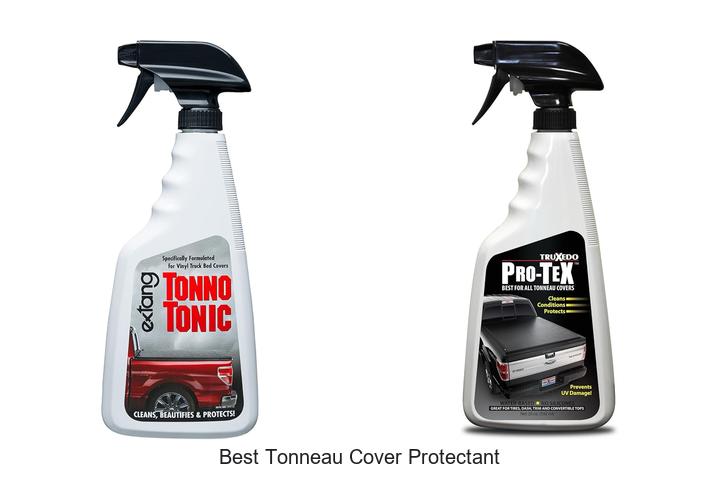
First, apply a UV protectant spray designed for your cover’s material to prevent fading and cracking from sun damage.
Next, avoid parking your truck under direct sunlight for extended periods when possible.
During heavy rain or snow, regularly check for water pooling and clear it away promptly to prevent moisture damage.
If you live in an area with harsh weather, consider using a breathable cover or tarp to add an extra layer of protection.
Finally, store your tonneau cover indoors or in a shaded area when not in use for long stretches.
These simple actions will help maintain your cover’s durability and appearance over time.
Keep Your Tonneau Cover Hardware in Good Shape
Protecting your tonneau cover from weather is just one part of keeping it in top shape. You also need to maintain the hardware that secures and operates your cover.
Regularly inspect latches, hinges, and clamps for rust, dirt, or damage. Clean these parts with mild soap and water, then dry thoroughly to prevent corrosion.
Lubricate moving components with a silicone-based spray to guarantee smooth operation without attracting dust. Tighten any loose screws or bolts to keep everything secure.
If you notice worn or broken parts, replace them promptly to avoid further damage. Taking these simple steps helps your tonneau cover function properly and extends its lifespan, saving you from costly repairs down the road.
Frequently Asked Questions
Can I Install a Tonneau Cover by Myself or Need Professional Help?
Yes, you can install a tonneau cover by yourself if you follow the instructions carefully.
Most tonneau covers come with detailed guides and all necessary hardware, making DIY installation doable. Just make sure you have the right tools and take your time aligning everything properly.
However, if you’re unsure or want a perfect fit without hassle, getting professional help is a smart choice to avoid mistakes and save time.
What Are the Best Materials for a Durable Tonneau Cover?
You’ll want to go for materials like vinyl, aluminum, or fiberglass when choosing a durable tonneau cover.
Vinyl is flexible and weather-resistant, making it great for all seasons.
Aluminum offers strong protection against dents and is lightweight.
Fiberglass is sturdy and provides excellent security, though it’s heavier.
Depending on your needs, one of these materials will give you lasting durability and keep your truck bed protected from the elements.
How Do I Choose the Right Size Tonneau Cover for My Truck?
To choose the right size tonneau cover, start by measuring your truck bed’s length, width, and height accurately.
Check your truck’s make, model, and bed style—regular, short, or long bed—since covers vary accordingly.
Don’t forget to take into account if your truck has any bed rails or accessories that might affect fit.
Using these measurements and details, pick a cover designed specifically for your truck to guarantee a snug, secure fit every time.
Are Tonneau Covers Compatible With Truck Bed Liners?
Wondering if tonneau covers and truck bed liners can get along? Yes, they’re generally compatible!
You can use a tonneau cover over most bed liners without issues. Just make certain the liner doesn’t interfere with the cover’s mounting points or sealing.
Some covers even work best with specific liner types. So, check your truck’s setup and the tonneau cover design to guarantee a perfect fit and protection combo.
Can a Tonneau Cover Improve My Truck’s Fuel Efficiency?
Yes, a tonneau cover can improve your truck’s fuel efficiency by reducing aerodynamic drag.
When your truck bed is open, air creates turbulence, which hurts your mileage. By covering the bed, you streamline airflow, helping your truck cut through the air more smoothly.
While the exact savings vary, many drivers notice better gas mileage, especially on highways.
Conclusion
You might think a tonneau cover just sits there, doing its job without much fuss. But if you ignore cleaning, weather protection, and hardware care, it’ll remind you just how much attention it needs—usually at the worst possible time. So, treat your cover like the hardworking companion it is. A little effort now means you’ll avoid those frustrating, unexpected headaches later. After all, isn’t it nicer when things just work?