Top 10 Best Sawzall Blade for Cast Iron You Need Today
Working with cast iron can be tough, especially when it comes to cutting through thick, tough material. Using the wrong blade can slow you down and damage your tools. That’s why choosing the best sawzall blade for cast iron is key to getting clean, precise cuts without extra effort.
This type of blade is designed specifically for durability and strength to handle the hardness of cast iron. Whether you’re a professional plumber, handyman, or a DIYer taking on a home project, the right blade makes a big difference in performance and safety.
In this review, we’ll explore some of the most reliable sawzall blades suited for cutting cast iron. You’ll learn about their build quality, cutting efficiency, and how each performs in real-use scenarios to help you find the blade that fits your needs best.
Cut Through Tough Pipes with Unmatched Precision and Durability
| Image | Product | Price |
|---|---|---|
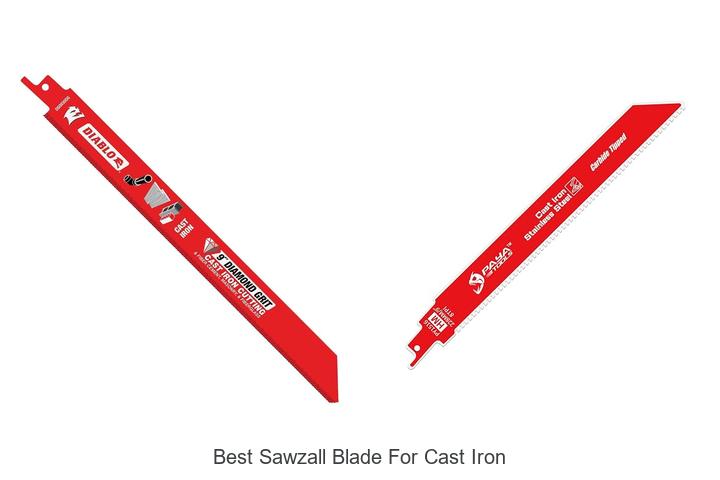
Top Pick 1  | Diablo Diamond Grit Reciprocating Saw Blade – 9″ Length, Thin Kerf Design | Check Price |
Top Pick 2  | Carbide Reciprocating Saw Blade for Thick Metal, Cast Iron, Alloy Steel 9-Inch | Check Price |
Top Pick 3  | Diablo Amped Steel Demon Carbide Teeth Reciprocating Saw Blade – 3-Pack | Check Price |
1. Diablo Diamond Grit Reciprocating Saw Blade – 9″ Length, Thin Kerf Design
Achieve tough cuts with ease using the Diablo Diamond Grit Reciprocating Saw Blade. Designed for durability and precision, it excels in demanding applications involving dense materials.
Its diamond grit edge extends blade life significantly, making it a reliable choice for projects involving cast iron and masonry.
This 9-inch blade features a thin kerf design that balances cutting speed with accuracy. The reinforced backing reduces vibration and ensures straighter cuts through thick, dense materials.
The blade’s diamond grit edge lasts up to six times longer than standard blades, reducing replacements during heavy use. It glides through cast iron, fiber cement, masonry, and fiberglass with fast, clean cuts. This reduces time spent on finishing and cleanup.
The thin kerf design speeds up material removal while keeping the cut line precise and neat. Its sturdy backing minimizes blade deflection, which helps maintain control even on challenging jobs. The Perma-Shield coating defends the blade against wear factors like heat buildup and corrosive debris.
Ideal for professionals and DIYers tackling specialty cuts, this blade performs well on pipes, panels, and embedded debris. The combination of durability, cutting speed, and accuracy provides excellent value for those needing a dependable sawzall blade. Its versatility makes it a smart addition to any tool kit.
Its versatility makes it a smart addition to any tool kit.
Pros
- Diamond grit edge delivers up to 6X longer blade life.
- Thin kerf design enables faster, cleaner cutting.
- Perma-Shield coating resists heat, corrosion, and gumming.
Cons
- Higher cost compared to standard reciprocating saw blades.
With its durable construction and efficient cutting capabilities, the Diablo Diamond Grit Reciprocating Saw Blade is a valuable tool for heavy-duty sawzall work. Its long-lasting edge and protective coating ensure consistent performance across tough materials.
2. Carbide Reciprocating Saw Blade for Thick Metal, Cast Iron, Alloy Steel 9-Inch
Durability meets precision with the Carbide Reciprocating Saw Blade, engineered specifically for cutting thick metals like cast iron and alloy steel. Designed to hold up under tough conditions, this blade delivers clean and efficient cuts for demanding tasks.
Its carbide-tooth strip provides exceptional longevity, ensuring steady performance throughout extensive use. Perfect for both professional and DIY applications, the blade offers reliable compatibility and versatile utility.
The saw blade measures 9 inches in length and features 8 teeth per inch, an ideal design for working through challenging materials such as cast iron and thick metal sheets. Each carbide tooth is precisely ground and individually welded to enhance durability and cutting accuracy, preventing early wear and tear.
This construction supports smooth, consistent cuts, reducing the effort required and increasing work efficiency. The PAYA TOOLS blade also fits all reciprocating saws with a 1/2-inch shank, allowing seamless integration with various tool brands.
Whether handling home repairs, remodeling projects, or metal fabrication, the blade adapts well to diverse tasks. Its robust build maintains sharpness for longer periods, offering excellent value by minimizing the need for frequent replacements.
Pros
- Carbide teeth provide superior strength and durability for tough metals.
- Compatible with most reciprocating saws featuring a 1/2-inch shank.
- Precisely welded teeth deliver smooth, clean cuts and longer blade life.
Cons
- May wear quicker if used on materials outside recommended types like thick metal or cast iron.
This carbide reciprocating saw blade combines durability and precision for effective cutting of cast iron and other thick metals. Its versatile compatibility and robust design make it a practical choice for various metalworking needs.
3. Diablo Amped Steel Demon Carbide Teeth Reciprocating Saw Blade – 3-Pack
Discover the Diablo Amped Steel Demon Carbide Teeth Reciprocating Saw Blade 3-Pack, engineered for precision and durability. Designed with advanced carbide tips, these blades deliver powerful cutting performance on tough metals like cast iron and stainless steel.
Each blade features a hardened edge and a non-stick coating that reduces heat build-up and corrosion. This combination promises longer life and cleaner cuts on demanding projects.
These saw blades are crafted to handle thick metals effectively, ranging from 3/16” to 9/16” in thickness. The TiCo Hi-Density carbide edge outlasts standard blades by up to 100 times, ensuring consistent cutting power over time. A Perma-SHIELD coating minimizes blade gumming and rust, which extends usability in harsh conditions.
The 1 oversized blade body stabilizes the blade during cuts, reducing vibration and chatter for neat, precise results. Impact resistance is improved with reinforced carbide tips that maintain blade integrity under heavy use. Perfect for professionals and hobbyists tackling cast iron, high-strength alloys, or stainless steel, these blades provide dependable quality and performance.
Packaged in a convenient 3-pack, they offer great value and readiness for multiple cutting tasks. Compared to regular metal-cutting blades, Diablo’s Steel Demon blades stand out for their long lifespan and superior accuracy. Their robust design adapts well to various metal cutting applications, making them a reliable addition to any tool kit.
Pros
- Exceptional cutting life up to 100 times longer than standard blades
- Perma-SHIELD coating prevents corrosion and reduces heat buildup
- Oversized blade body ensures straighter and more precise cuts
Cons
- May be less cost-effective for infrequent or light-duty users
For anyone needing reliable, durable blades for cutting cast iron and other hard metals, the Diablo Amped Steel Demon Carbide blades deliver outstanding performance. They combine strength, precision, and longevity in a single package built for demanding cutting jobs.
Things to Consider Before Buying the Best Sawzall Blade for Cast Iron
Blade Material and Durability
Types of materials used (bimetal, carbidetipped, carbon steel). Resistance to wear and heat. Longevity when cutting cast iron.When dealing with cast iron, the material of the sawzall blade plays a key role in performance and lifespan. Blades made from bimetal combine the toughness of high-speed steel with the flexibility of spring steel, offering strong resistance to wear and heat, which helps maintain sharpness longer during cutting.
Carbon steel blades are generally less expensive but wear out quicker, especially under the high friction and heat generated when cutting dense materials like cast iron. The ability of the blade to withstand heat without losing its cutting edge significantly influences how long it can last through multiple cuts on cast iron pieces.
Choosing a blade material that balances durability and flexibility usually results in a smoother cutting experience and reduces the need for frequent replacements, making the process more efficient and cost-effective over time.
Tooth Design and TPI (Teeth Per Inch)
Optimal TPI for cutting cast iron. Tooth shape and its impact on cutting efficiency. Aggressiveness vs. smoothness of cut.When working with cast iron, the number and shape of the blade’s teeth play a significant role in how smoothly and efficiently the material is cut. A lower teeth per inch count generally allows for a more aggressive cut, removing material quickly but with a rougher finish. Conversely, blades with a higher teeth count provide a smoother, more precise cut, though they may cut slower.
The shape of each tooth affects durability and cutting action; for instance, angled or beveled teeth can help the blade bite into the metal more effectively, reducing effort and heat buildup. Balancing these factors is key to achieving a cut that is both fast and clean, making the process easier and the results more satisfying, especially when precision in cutting cast iron is desired.
Blade Size and Length
Appropriate blade length for cast iron pipes and sheets. Impact of blade width on stability and control. Compatibility with your Sawzall model.The appropriate blade length for cast iron pipes and sheets typically ranges from four to six inches, offering a balance between maneuverability and reach. Longer blades provide better access to deeper cuts, especially in thick or large-diameter pipes, while shorter blades deliver increased control for precise work on thinner sections.
The width of the blade plays a significant role in stability during cutting; wider blades reduce bending and offer greater control through tougher materials, helping maintain a straighter cut line. Compatibility with your Sawzall model is another key aspect, as blades vary in shank size and attachment type to fit different reciprocating saws. Ensuring the blade matches the saw’s requirements enhances performance and safety, allowing the tool to deliver smooth and effective cuts on cast iron surfaces.
Overall, selecting a blade with an appropriate length and width that aligns with the demands of cast iron cutting, along with checking fit for your specific Sawzall, results in better efficiency and ease during projects involving this durable material.
Cutting Speed and Efficiency
How blade design affects cutting speed. Balancing speed with precision. Minimizing vibrations and kickbacks.The design of a sawzall blade directly influences how quickly and smoothly it can cut through materials like cast iron. Blades with specifically shaped teeth and variable tooth spacing often find a balance between fast cutting and precision, allowing cleaner cuts without sacrificing control. Reducing vibrations during operation is key to maintaining accuracy and preventing user fatigue, which also helps in minimizing the chances of kickbacks that can occur with aggressive cutting motions.
Reducing vibrations during operation is key to maintaining accuracy and preventing user fatigue, which also helps in minimizing the chances of kickbacks that can occur with aggressive cutting motions. A well-engineered blade profile not only contributes to efficient material removal but also ensures stability and safety throughout the cutting process, making the experience more comfortable and reliable for various heavy-duty or detailed tasks.
Compatibility and Fit
Universal vs. brandspecific blades. Blade shank type and fitment. Ease of blade replacement and secure fitting.The compatibility and fit of a sawzall blade for cast iron play a significant role in its effectiveness and ease of use. Blades come in universal designs that fit a wide range of sawzall models, as well as brand-specific versions tailored to particular manufacturers, which can provide a more precise fit and sometimes enhanced performance. The shank type of the blade must correspond with the tool’s blade clamp system to avoid wobbling or slipping during cutting, with common types including T-shank and U-shank.
The shank type of the blade must correspond with the tool’s blade clamp system to avoid wobbling or slipping during cutting, with common types including T-shank and U-shank. A secure fitting mechanism not only prevents blade detachment but also contributes to safer operation and cleaner cuts. Additionally, blades that allow for quick and straightforward replacement save time and effort, especially when working on projects involving cast iron, where blade wear can occur more rapidly.
Considering these aspects helps ensure the selected blade fits well and functions smoothly within the tool it is paired with, providing reliable and efficient cutting performance.
Price and Value
Cost vs. performance balance. Availability of replacement blades. Warranty and manufacturer support.Evaluating the cost versus performance balance plays a significant role when considering sawzall blades for cutting cast iron. High-quality blades that maintain sharpness and durability can save money over time by reducing the need for frequent replacements.
Additionally, warranty and manufacturer support provide added confidence in the purchase, offering protection against defects and sometimes extending usability through repair or replacement options. These factors collectively shape the overall value proposition, helping guide choices that align with both budget and functional demands.
FAQ’s
What Features Should I Look For In A Sawzall Blade For Cutting Cast Iron?Look for a Sawzall blade made of bi-metal or carbide-tipped material with fine, closely spaced teeth designed specifically for cutting metal. Additionally, choose a blade labeled for cutting cast iron or other hard metals to ensure durability and efficient performance.
Which Materials Are Best For Sawzall Blades When Working With Cast Iron?Bi-metal blades with high-speed steel (HSS) edges are best for cutting cast iron with a Sawzall, as they provide durability and resistance to heat. Additionally, carbide-grit blades are excellent for clean and efficient cuts on cast iron.
How Do Bi-Metal Sawzall Blades Perform On Cast Iron Compared To Carbide-Tipped Blades?Bi-metal Sawzall blades can cut cast iron but tend to wear out faster and provide a rougher cut compared to carbide-tipped blades. Carbide-tipped blades offer greater durability and cleaner, more precise cuts on cast iron.
What Is The Ideal Tooth Configuration For A Sawzall Blade Cutting Cast Iron?The ideal tooth configuration for a Sawzall blade cutting cast iron is a bi-metal blade with a medium-tooth count, typically 14 to 18 teeth per inch (TPI), to balance durability and efficient chip removal. Additionally, teeth with a carbide or hardened design help resist wear when cutting abrasive materials like cast iron.
Can Using The Wrong Sawzall Blade Damage Cast Iron Or The Tool Itself?Yes, using the wrong Sawzall blade on cast iron can damage both the material and the tool by causing excessive wear or blade breakage. It’s important to use a blade specifically designed for cutting cast iron to ensure clean cuts and protect the Sawzall.
Conclusion
Choosing the best sawzall blade for cast iron involves balancing durability and cutting efficiency. Blades designed specifically for cast iron typically feature carbide or bi-metal construction, allowing them to handle the hardness and brittleness without excessive wear or breakage. While these blades may come at a higher price point compared to standard options, their longevity and smoother cuts justify the investment, especially for frequent or professional use.
For occasional DIYers, less expensive alternatives might suffice but could require more frequent replacement. Buyers should consider blade tooth design and compatibility with their sawzall model to achieve optimal results.
Overall, selecting a blade tailored for cast iron will provide cleaner cuts and safer operation, making it a practical choice for those working regularly with this challenging material.