Top 10 Best Sawzall Blade for Aluminum You Can’t Miss
Working with aluminum can be challenging if your cutting tools aren’t up to the task. Using the wrong sawzall blade can result in rough cuts, overheating, or even damage to the material. Finding the best sawzall blade for aluminum makes a big difference in achieving clean, precise cuts and extending the life of both the blade and your saw.
Finding the best sawzall blade for aluminum makes a big difference in achieving clean, precise cuts and extending the life of both the blade and your saw. This review is designed for DIYers, tradespeople, and anyone who regularly cuts aluminum. Choosing the right blade can save time and reduce frustration.
The blades covered here offer a balance of durability, cutting speed, and smoothness. In the following sections, you’ll find detailed information on what sets these blades apart. We’ll explore blade materials, tooth design, and compatibility to help you pick the one that fits your project needs.
We’ll explore blade materials, tooth design, and compatibility to help you pick the one that fits your project needs. This guide aims to provide clear, practical insights without unnecessary fluff.
Cutting Through Metal with Precision: Top Choices for Aluminum Projects
| Image | Product | Price |
|---|---|---|
Top Pick 1  | Bosch RM618 6-Inch 18T Metal Cutting reciprocating Saw Blades – 5 Pack, | Check Price |
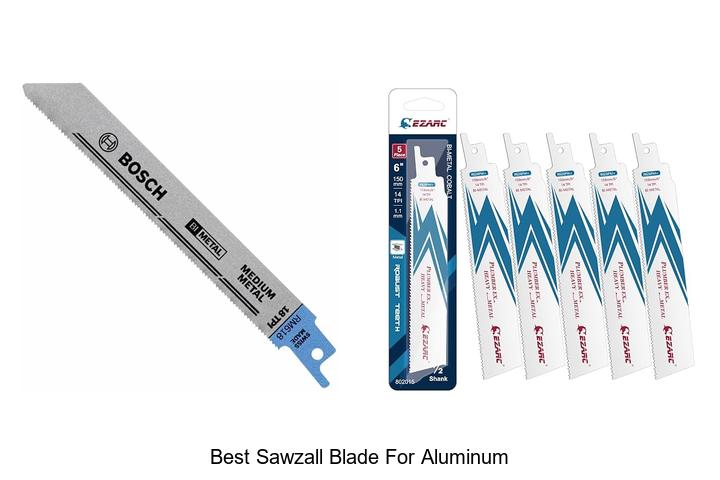
Top Pick 2  | EZARC Bi-Metal Reciprocating Saw Blades, 6-Inch 14TPI for Metal, 5-Pack | Check Price |
Top Pick 3  | Diablo Steel Demon Carbide Teeth Reciprocating Saw Blades – 3-Pack | Check Price |
1. Bosch RM618 6-Inch 18T Metal Cutting reciprocating Saw Blades – 5 Pack,
Experience precision and durability with the Bosch RM618 6-Inch 18T Metal Cutting reciprocating Saw Blades. Engineered for professionals, these blades tackle metal cutting tasks with ease and clean cuts.
Their robust bi-metal construction ensures extended blade life, perfect for demanding sheet metal work.
Designed specifically for cutting ferrous and non-ferrous sheet metals between 10 to 16 gauge, these blades combine powerful performance with reliability. The pair-setting tooth design promotes fast cutting while maintaining sharpness.
Ideal for users seeking both efficiency and accuracy in metal cutting tools.
Bosch delivers blades with a thin-kerf .035-inch body, enhancing ease of starting cuts and minimizing breakage risk.
Their optimized 3/4-inch blade height aids in straight line cuts for professional results.
Bi-metal material provides toughness and durability, allowing these blades to withstand heavy-duty cutting jobs. The unique pair-setting tooth geometry, with two teeth angled left and two right, reduces vibration and supports faster cutting speeds.
Flexible blade bodies adapt to cutting demands, leading to accurate and efficient operation.
These blades are suitable for both craftsmen and DIY users working with sheet metal, ensuring clean cuts and tool longevity. The included five-pack adds value and convenience for multiple projects or extended use.
Pros
- Durable bi-metal construction for long-lasting use
- Precise cuts in ferrous and non-ferrous sheet metal (10–16 gauge)
- Thin-kerf blade design reduces breakage and improves accuracy
Cons
- Limited to metal cutting; not suitable for wood or other materials
With outstanding durability and specialized tooth design, the Bosch RM618 blades offer consistent and clean cuts in sheet metal. Their balanced performance and build quality make them a dependable option for anyone needing precision metal cutting.
2. EZARC Bi-Metal Reciprocating Saw Blades, 6-Inch 14TPI for Metal, 5-Pack
EZARC Bi-Metal Reciprocating Saw Blades deliver reliable cutting performance for a variety of metalworking tasks. Designed with durable cobalt teeth, these blades handle heavy-duty applications while maintaining sharpness and precision.
Engineered to fit most Sawzall tools, these blades provide versatility for professionals and DIY users tackling aluminum, sheet metal, and metal pipes.
Constructed with M42 cobalt teeth, the blades resist high temperatures generated during intense cutting. This makes them well-suited for robust demolition and metalworking projects without compromising durability. The hard cobalt edge cuts through medium-thick sheet metals ranging from 3 to 10mm and metal pipes up to 100mm in diameter with ease.
The optimized wear-resistant design enhances lifespan and cutting efficiency over extended use. These blades offer clean, precise cuts on aluminum and other metals, reducing the need for frequent blade changes.
Equipped with a universal 1/2 inch shank, they easily attach to all major Sawzall tools, including Bosch, Dewalt, Milwaukee, Makita, and more. This compatibility ensures broad usability across many brands without additional adapters. Ideal for both home improvement and professional use, these blades combine durability, precision, and convenience in one package.
Pros
- Heat-resistant M42 cobalt teeth provide long-lasting sharpness.
- Universal 1/2 inch shank fits a wide variety of Sawzall tools effortlessly.
- Designed for medium-thick metals, including aluminum sheet and pipes.
Cons
- Limited to medium-thick materials; may not be ideal for very thick metals.
For metal cutting applications requiring durability and precision, these EZARC reciprocating saw blades provide excellent performance at a great value. Compatibility with most brands and robust construction make them a reliable addition to any toolkit.
3. Diablo Steel Demon Carbide Teeth Reciprocating Saw Blades – 3-Pack
Diablo Steel Demon Carbide Teeth Reciprocating Saw Blades provide unmatched strength and precision for cutting through tough metals. Designed with carbide tips, these blades excel at slicing through aluminum, cast iron, and stainless steel effortlessly.
Engineered for durability and high performance, the 3-pack offers an excellent solution for projects requiring reliable metal cutting power. Each blade’s construction supports extended use under challenging conditions.
These reciprocating saw blades feature a TiCo Hi-Density carbide edge that lasts up to 50 times longer than standard bi-metal blades. The blades handle thicknesses between 3/16” and 9/16” with ease, making sharp, accurate cuts through various metals. Their sturdy carbide tips are securely attached to resist extreme impacts during heavy-duty cutting tasks.
The Perma-SHIELD non-stick coating helps reduce heat buildup and prevents gumming and corrosion to maintain performance over time. The oversized 1 blade body minimizes vibration and chatter, resulting in cleaner, straighter cuts. This stability benefits users who demand precision and consistency in their work.
Perfect for professionals and DIYers working with thick metal, these blades are compatible with most reciprocating saws. Strong build quality and thoughtful design combine to deliver reliable cutting power and longevity, offering a sensible investment for demanding projects.
Pros
- Extremely durable carbide tips for extended blade life
- Non-stick coating prevents heat and corrosion buildup
- Oversized blade body reduces vibration for cleaner cuts
Cons
- Higher cost compared to standard reciprocating saw blades
Overall, Diablo Steel Demon blades stand out with their cutting power and durability for metalwork. They offer reliable performance that makes them a smart choice for intensive metal cutting needs.
4. TOLESA Reciprocating Saw Blades, 6″ 14TPI for Heavy Metal, 5-Pack

Experience precision cutting with the TOLESA Reciprocating Saw Blades designed specifically for heavy metal work. These 6-inch blades deliver exceptional performance on thick aluminum, sheet metal, and solid pipes, making any tough cutting job manageable. Crafted for durability, each blade is built to withstand demanding tasks without breaking or dulling quickly.
Engineered with high-density bi-metal and infused with 8% cobalt, these sawzall blades resist wear much better than standard options. Their unique 14TPI tooth design provides faster cutting speeds, while the thin 9mm body reduces heat buildup during extended use.
This combination ensures smooth, consistent cuts and longer blade life.
TOLESA blades fit universally with all 1/2 inch reciprocating saw tools, including brands like Bosch, Dewalt, Milwaukee, and Makita. These blades excel in cutting medium to thick aluminum sheets from 2 to 8 mm and pipes under 4 inches in diameter. Their set teeth design prevents binding, enhancing control and safety on metal surfaces.
Beyond sturdy construction, the cobalt edge sharpness provides effortless slicing through profiles without excessive force. Whether tackling demolition work or precise metal shaping, these blades maintain their edge longer, reducing downtime for blade changes. The 5-pack offer adds convenience for ongoing projects requiring multiple replacements.
Ideal for professionals and DIYers working with aluminum and other metals, these blades provide efficient and reliable performance. Their lifespan and cutting speed make them a cost-effective choice for demanding metal cutting applications where quality and durability matter most.
Pros
- High-density bi-metal construction with 8% cobalt for enhanced durability
- 14 teeth per inch for faster, smoother cutting on thick aluminum and metal
- Universal 1/2 inch shank fits most sawzall brands and models
Cons
- May wear down faster when used on extremely abrasive materials beyond aluminum
Combining durability with high cutting efficiency, TOLESA’s reciprocating saw blades stand out for metal cutting tasks. They offer reliable, fast cuts in aluminum and other heavy metals, providing great value for those needing tough blades that hold up under pressure. A practical choice for various sawzall applications.
5. MILWAUKEE’S 9″ L Reciprocating Saw Blade, 5 pk., Bi-Metal (48-00-5788)

Experience reliable cutting performance with MILWAUKEE’S 9 L Reciprocating Saw Blade, designed specifically for demanding applications. These blades deliver unmatched versatility, making metal cutting tasks more efficient and precise.
Constructed with durable bi-metal material, each blade resists wear and maintains sharpness over time. Perfect for cutting pipe, tubing, and steel up to 4 inches, this 5-pack is ready to tackle tough demolition and remodeling jobs.
Designed for compatibility, the 1/2 inch universal tang fits all Sawzall models. The 18 teeth per inch pattern ensures smooth and clean cuts through various metals including aluminum and steel.
Built with Milwaukee’s bi-metal construction, these blades deliver strength and flexibility to resist breakage during heavy-duty tasks.
Each blade measures 9 inches in length, offering an extended cutting range ideal for plumbing, demolition, and general metalwork. The pack of five provides convenience and value for professionals and DIYers alike. These blades perform well on nail-embedded wood and tough materials, reducing downtime for replacements.
Manufactured in the United States, these saw blades carry Milwaukee’s trusted reputation for quality. They stand out for their cutting efficiency and durability compared to generic alternatives.
Pros
- Durable bi-metal construction resists wear and breakage
- Universal 1/2 inch tang fits all Sawzall models
- Efficient cutting of metal up to 4 inches thick
Cons
- Not specialized for non-metal materials like plastic or ceramics
These Milwaukee reciprocating saw blades offer a strong balance of performance and durability. Ideal for metal cutting tasks, they provide reliable, precise results on every job. For those focusing on aluminum and other metals, this blade pack is a valuable addition to any toolkit.
Things to Consider Before Buying the Best Sawzall Blade for Aluminum
Blade Material and Coating
Types of blade materials suitable for aluminum. Importance of coatings for durability and performance. Resistance to corrosion and wear.Blades designed for cutting aluminum typically feature materials such as high carbon steel, bi-metal construction, or carbide-tipped edges, each offering a balance of strength and flexibility that helps achieve clean cuts without excessive wear. Many blades incorporate specialized coatings that protect against corrosion and reduce friction during use, which extends blade life and maintains cutting performance over time. A coating that resists heat buildup and wear is particularly beneficial when working with aluminum, as this metal can produce fine chips and generate heat that wears down uncoated blades quickly.
A coating that resists heat buildup and wear is particularly beneficial when working with aluminum, as this metal can produce fine chips and generate heat that wears down uncoated blades quickly. The durability of the blade material coupled with a corrosion-resistant surface treatment minimizes the likelihood of rust and damage, especially in environments where moisture or contaminants are present, making the blade reliable for repetitive tasks. The combination of these material properties and coatings often results in smoother cutting action and less frequent blade changes, providing better value and efficiency during aluminum cutting projects.
Tooth Design and TPI (Teeth Per Inch)
Optimal tooth shape for cutting aluminum. Appropriate TPI count for clean and efficient cuts. Impact of tooth design on cutting speed and finish.The shape of the blade’s teeth plays a significant role in how smoothly aluminum is cut, with flatter or slightly angled teeth often facilitating cleaner slices through softer metal. A moderate number of teeth per inch helps balance cutting speed and finish quality, with too few teeth potentially causing rough edges and too many slowing the progress unnecessarily. Tooth design influences not only the neatness of the cut but also how quickly the material can be worked through, as more aggressive tooth profiles remove metal faster but might sacrifice finesse.
Tooth design influences not only the neatness of the cut but also how quickly the material can be worked through, as more aggressive tooth profiles remove metal faster but might sacrifice finesse. Selecting a blade with a carefully crafted tooth geometry allows for efficient cuts that minimize chatter and deliver a smooth surface, making it easier to work with aluminum in a variety of applications such as metal fabrication, automotive repairs, or home improvement projects.
Blade Length and Thickness
Choosing the right blade length for your projects. Thickness considerations for stability and control. Balancing flexibility and rigidity in blades.The length and thickness of a sawzall blade play a significant role in determining how well it performs on aluminum projects. Longer blades allow for deeper cuts, making them suitable for thicker or harder aluminum materials, while shorter blades offer greater precision and control for detailed work or thinner sheets.
In contrast, thinner blades tend to be more flexible, which helps when making curved or intricate cuts without damaging the material. Striking a balance between flexibility and rigidity depends largely on the nature of the task—whether smooth, controlled cuts or versatile maneuvering is required.
Blades that hold their shape well while still adapting to the shape of the cut tend to deliver the best overall performance when working with aluminum.
Compatibility and Fit
Ensuring blade fits your specific Sawzall model. Universal vs. proprietary blade designs. Quickchange mechanisms and ease of installation.The compatibility and fit of a sawzall blade play a significant role in its performance and ease of use, especially when working on aluminum materials. Blades must match the specific Sawzall model to function correctly, as some machines require proprietary blades designed exclusively for certain brands or models. In contrast, universal blade designs offer versatility, fitting a wide range of Sawzall types, which can be convenient for users with multiple tools or varying projects.
Additionally, the method of attachment affects usability; quick-change mechanisms simplify blade swaps without needing extra tools, making the cutting process smoother and less time-consuming. Paying attention to these factors helps ensure that the blade integrates seamlessly with the tool, enhancing cutting precision and overall efficiency when handling aluminum.
Durability and Longevity
Factors affecting blade lifespan when cutting aluminum. Signs of blade wear and when to replace. Benefits of premium blades versus standard options.When cutting aluminum, the lifespan of a sawzall blade depends on several factors such as the thickness and hardness of the aluminum, the blade’s tooth design, and the operating speed. Thin, softer aluminum tends to be gentler on blades, while thicker or alloyed metals can accelerate wear. Signs that a blade is wearing out often include slower cutting speed, increased vibration, and the blade heating up excessively during use.
Signs that a blade is wearing out often include slower cutting speed, increased vibration, and the blade heating up excessively during use. Visible damage like chipped or rounded teeth also signals the need for replacement. Choosing premium blades usually offers advantages such as enhanced resistance to dulling and chipping, which contributes to a longer functional life compared to standard options.
These higher-quality blades often use superior materials and precise manufacturing techniques, which not only improve efficiency but also reduce the frequency of blade changes, making the cutting process smoother and more cost-effective over time.
Price and Brand Reputation
Evaluating cost versus performance value. Trusted brands known for quality Sawzall blades. Warranty and customer support considerations.The value gained from a sawzall blade designed for cutting aluminum often depends on how well the blade balances durability and cutting efficiency. Trusted manufacturers that specialize in cutting tools typically offer Sawzall blades engineered with materials and tooth configurations suited for metal work, assuring consistent performance and longer blade life. Alongside the physical product quality, warranty policies act as a safety net, providing confidence that any potential defects or issues will be addressed promptly.
Additionally, reliable customer support ensures that users can receive guidance and assistance throughout the ownership experience, making the overall investment more worthwhile and hassle-free.
FAQ’s
What Type Of Sawzall Blade Works Best For Cutting Aluminum?A bi-metal Sawzall blade with fine, closely spaced teeth works best for cutting aluminum, as it provides clean cuts and reduces the risk of snagging. Additionally, blades labeled for non-ferrous metals are ideal to ensure smooth performance on aluminum.
How Do I Choose The Right Tooth Count On A Sawzall Blade For Aluminum?To choose the right tooth count on a Sawzall blade for aluminum, select a blade with a higher TPI (teeth per inch), typically between 10-14 TPI, to ensure smoother cuts and reduce material snagging. Finer teeth help create cleaner cuts on softer metals like aluminum without causing excessive vibration.
Are Bi-Metal Sawzall Blades Suitable For Cutting Aluminum Sheets?Yes, bi-metal Sawzall blades are suitable for cutting aluminum sheets as they combine flexibility and durability, allowing for efficient and clean cuts in non-ferrous metals. Using a blade with a higher TPI (teeth per inch) will yield smoother results on aluminum.
Can Carbide-Tipped Sawzall Blades Improve Cuts On Aluminum Materials?Yes, carbide-tipped Sawzall blades can improve cuts on aluminum materials by providing greater durability and sharper edges that reduce binding and increase cutting precision. Their hardness allows for smoother, cleaner cuts compared to standard blades.
What Are The Advantages Of Using A Fine-Tooth Sawzall Blade When Cutting Aluminum?A fine-tooth Sawzall blade provides smoother, more precise cuts on aluminum, reducing the risk of jagged edges and material damage. Additionally, it helps minimize burr formation and improves control during cutting.
Conclusion
Choosing the best sawzall blade for aluminum involves balancing durability, cutting speed, and precision. Blades with fine teeth and bi-metal construction tend to provide smoother cuts and longer life, while those designed specifically for metal reduce the risk of binding or excessive wear.
However, some blades may sacrifice cutting speed for finer finishes or vice versa, depending on the specific alloy and thickness of the aluminum. This type of blade is ideal for professionals and DIYers who frequently work with aluminum materials and require reliable performance without frequent replacements. While budget options may be tempting, investing in a quality blade can save time and frustration in the long run.
Ultimately, selecting the best sawzall blade for aluminum comes down to matching your specific project needs with the blade’s features to achieve efficient, clean cuts.